The first years we lived here, we did not see them at all. Perhaps we failed to pay attention when our sons were small, or perhaps they either flew right past or never came close enough to visit for long. Then in the ’90s, fourteen pelicans arrived one August and stayed in the area until the weather changed. Since then we have seen pelicans every summer. Often there have been fourteen.

I counted sixteen last Wednesday afternoon. The sky was clear and the stiff, gusty wind raised a rough blue ocean. Sixteen in the water. I could not get them all in one photo—there are seven in the photo below. They were fishing, so often lifting a dozen feet up and diving back into the water near shore.
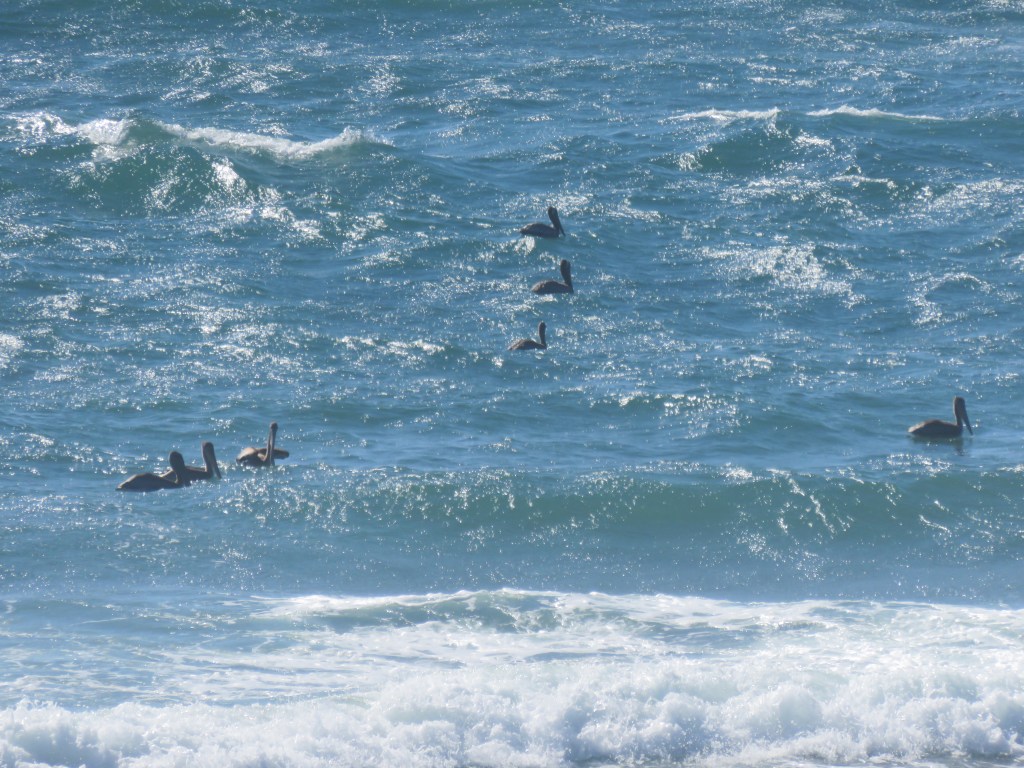
Pelecanus occidentalis has a wing span of up to seven and a half feet, which is why it looks so huge to me. It is supposed to be among the smallest of the pelican species, but one year I saw them side-by-side with Pelecanus erythrorhynchos (the American white pelican) which can have a wingspan up to two feet wider, but the white birds I saw were smaller than the more familiar browns.
Like whales, a group of pelicans is called a pod.
Beginning in the 1940s with the use of poisons such as DDT and other pesticides, populations of pelicans dwindled, but when some of these poisons were banned, beginning in 1972, some of our favorite birds such as bald eagles and oystercatchers and pelicans began to recover. Brown pelicans have been listed as of “least concern” since 1988.
Pelicans do not mate for life, but for the breeding season, and the smaller female lays two to three eggs in a nest she’s built only a few feet above the ground in cliffs and shrubs or even low branches in warmer places than ours. Both parents sit on the nest for about a month and then care for the hatchlings. It will be at least two and a half months before the hatchlings can fly. They are not fully mature for three to five years. Pelicans have been known to live over thirty years.
Dropping sardine populations caused by increasing ocean temperatures and commercial fishing have affected pelicans where they breed in warmer areas. Southern California experienced notable breeding failures among pelicans in 2014-2016. There was not enough fish to feed hatchlings and most birds either did not even attempt to breed or abandoned their nests. Biologists predict the species will drop in numbers by a quarter over the next decades.
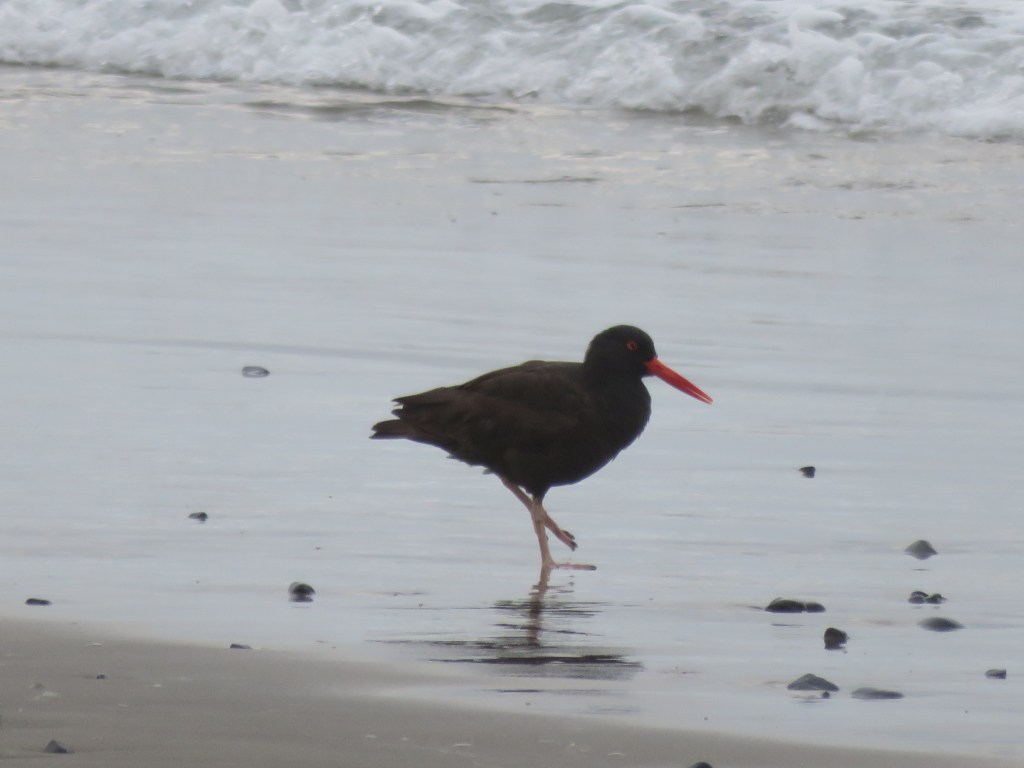
Enormous pods of these pelicans have fished our coast for a hour or a day before moving on, but never more than fourteen have stayed for long. But I did manage to count sixteen again. We are hopeful that at least some of these birds will hang out for the summer. We are hopeful that the species as well as the native fish species they rely on will survive.
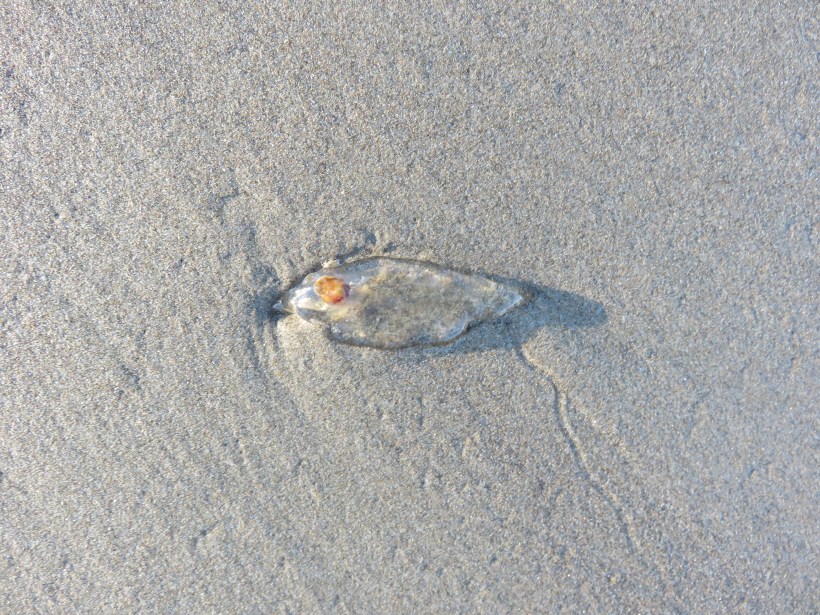
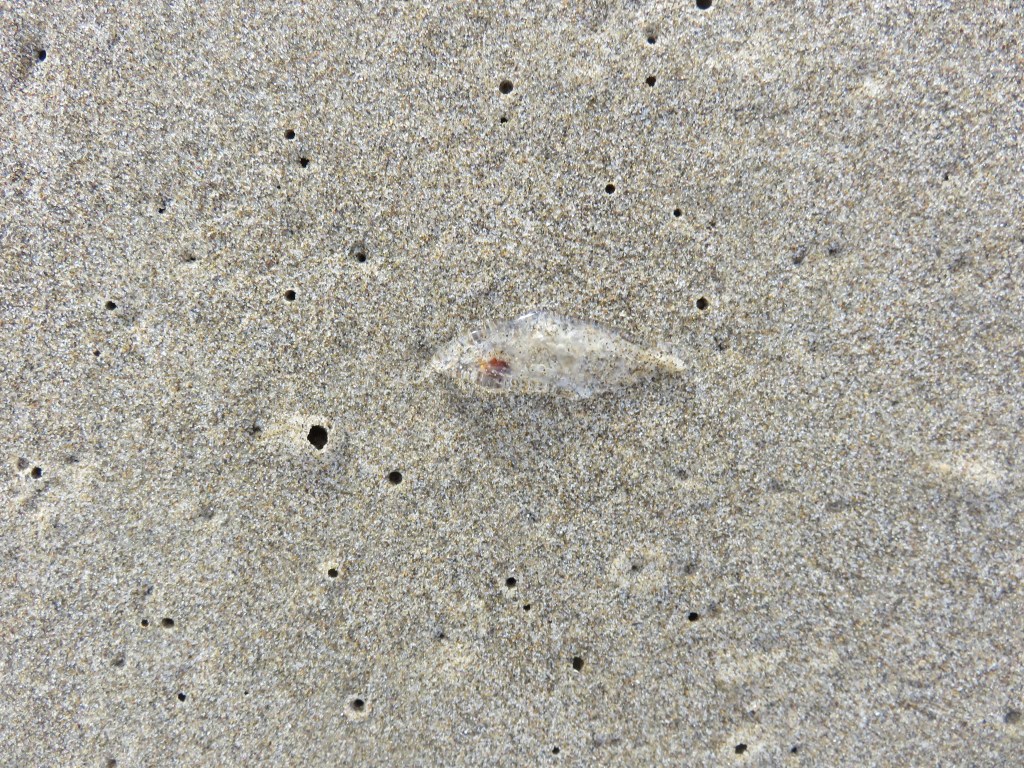
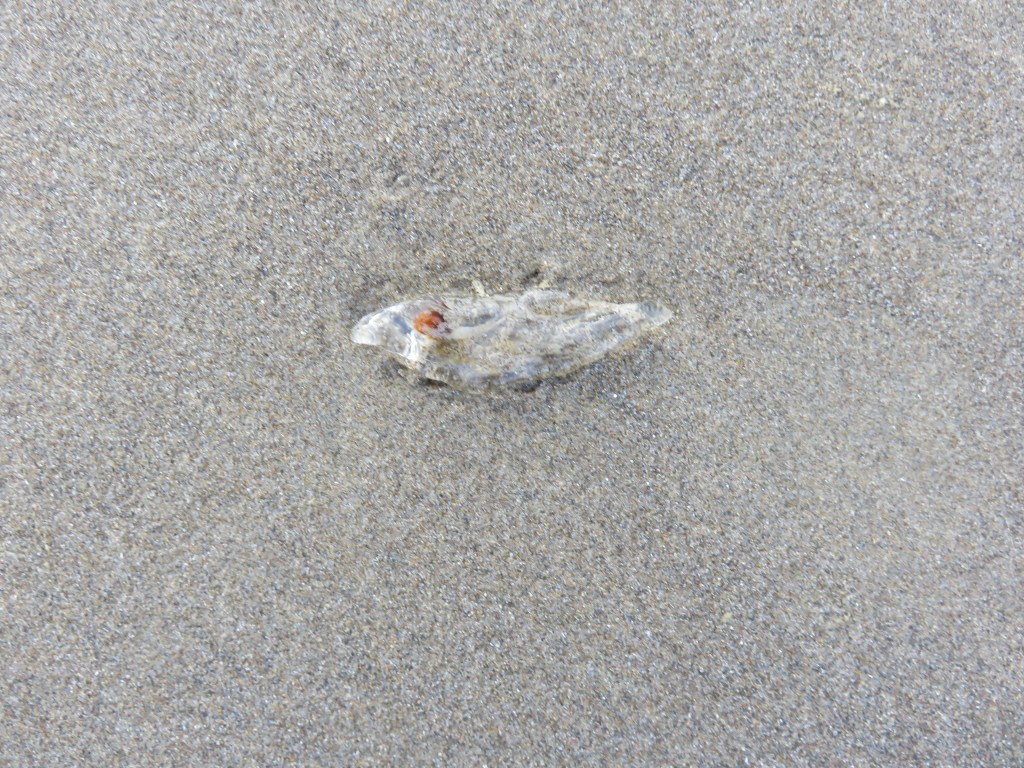
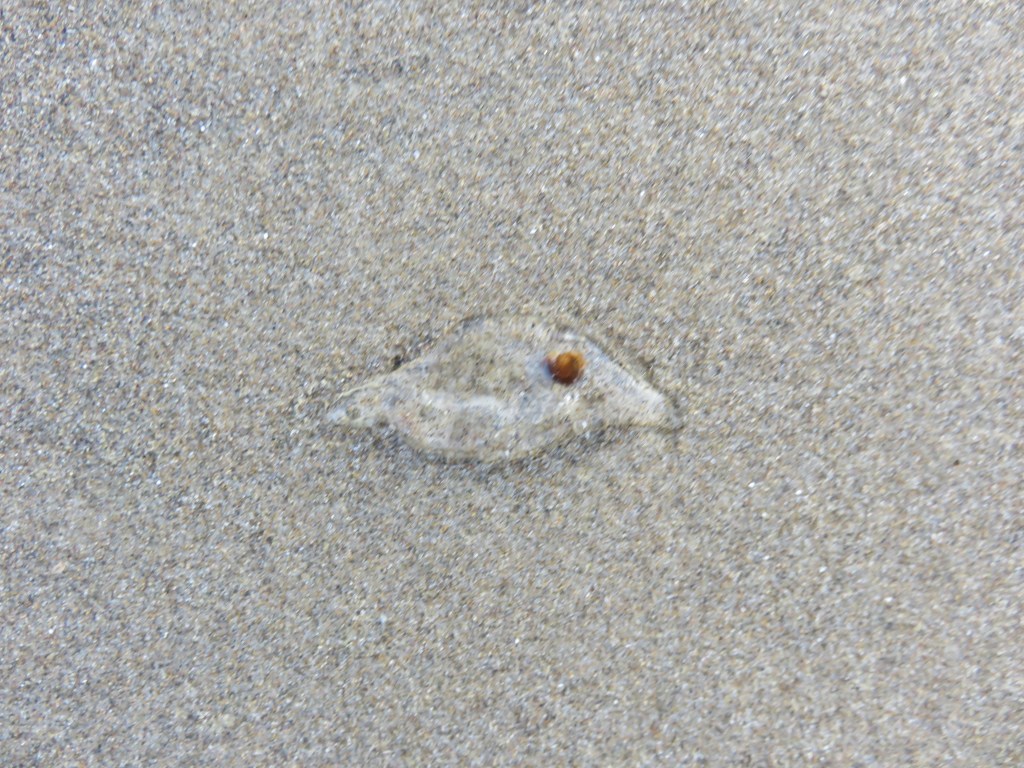
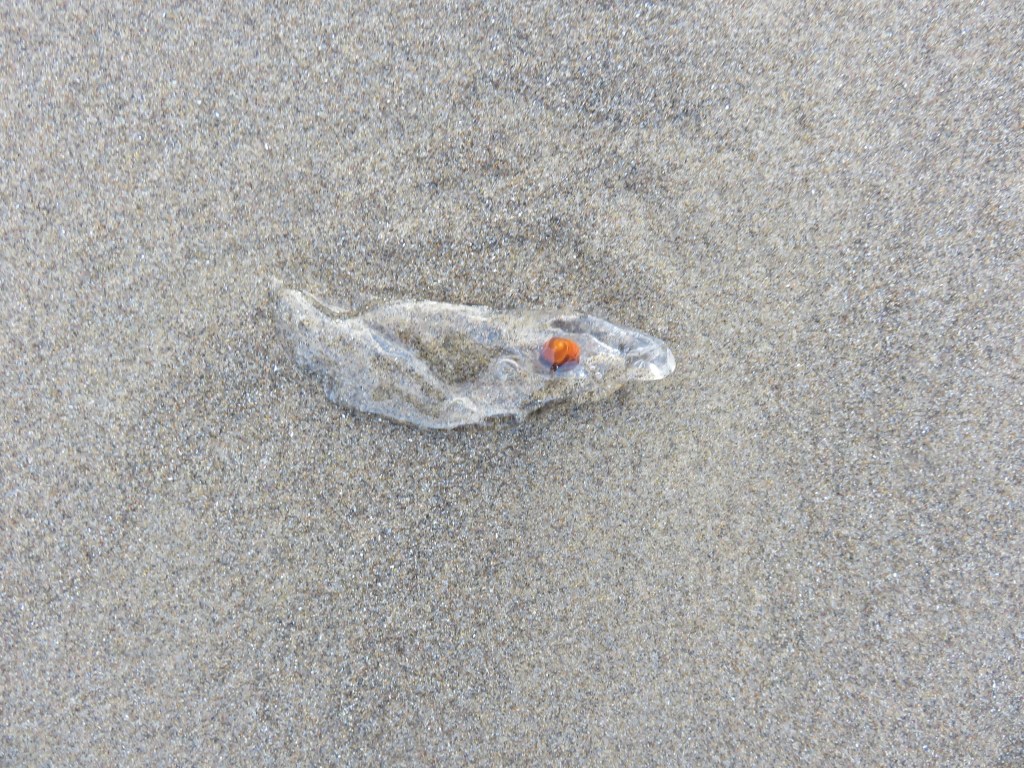
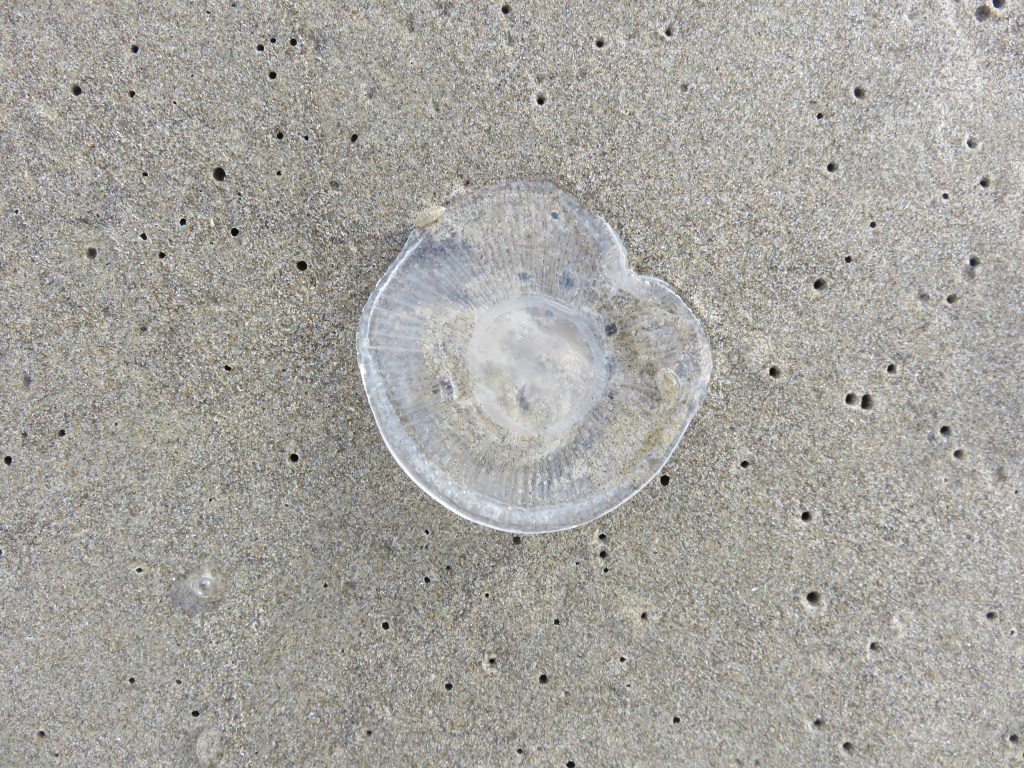
Please excuse a detour to the odd fish-shaped jellyfish we noted here a while back. I found them! Above are sea salps (family Salpidae), found in increasing number along the north coast perhaps due to climate change. They are not true jellyfish. “Salps are in the phylum Chordata, which means they’re more closely related to humans than jellyfish.” They do not have a spine, but a dorsal nerve cord.
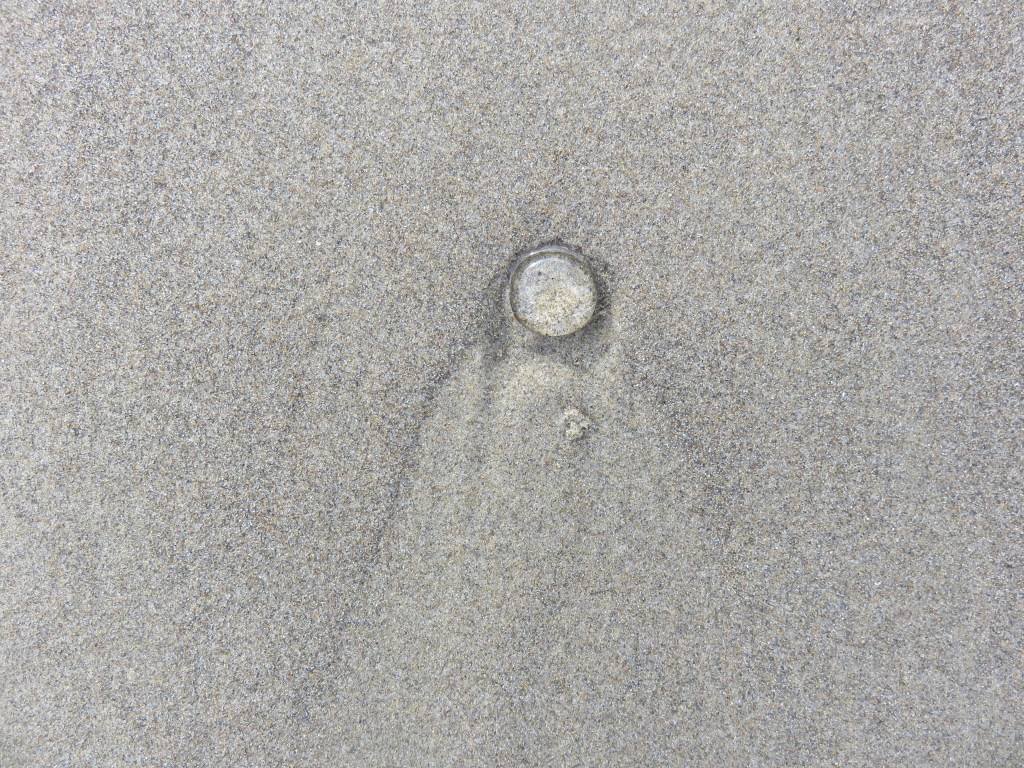
The purple sailors (Vallela vallela) are also not true jellies according the those in the know, but this is where I remind my readers that common names are not scientific names and often reflect regional serendipity. That is, what we call things in ordinary speech is not science.
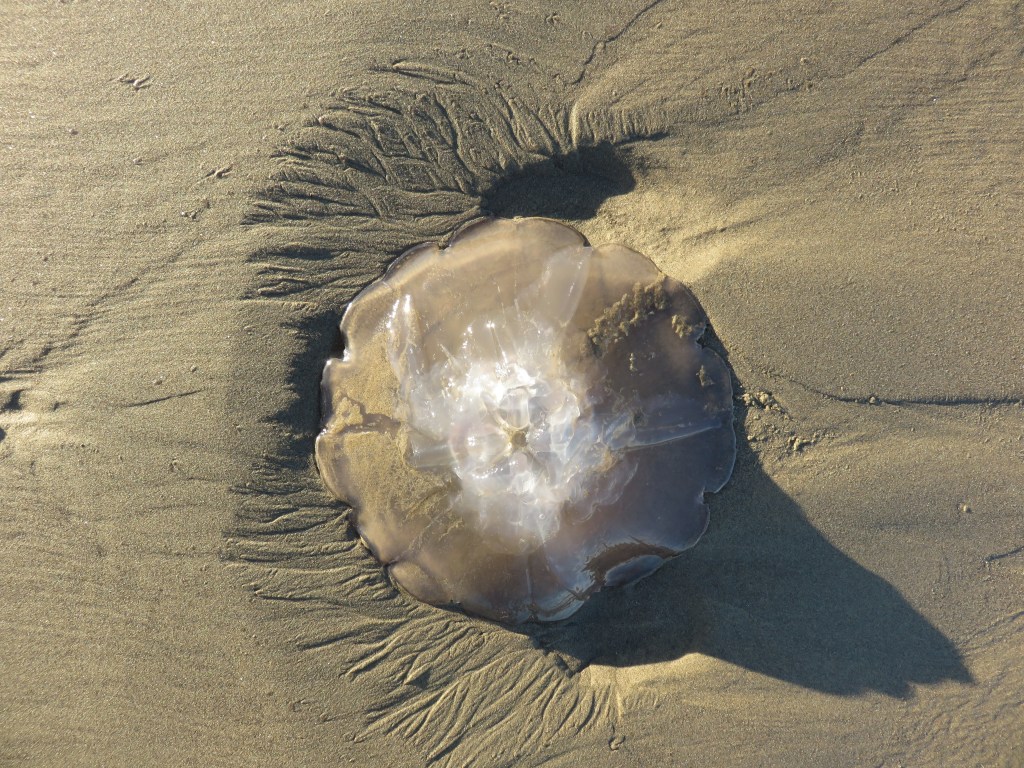
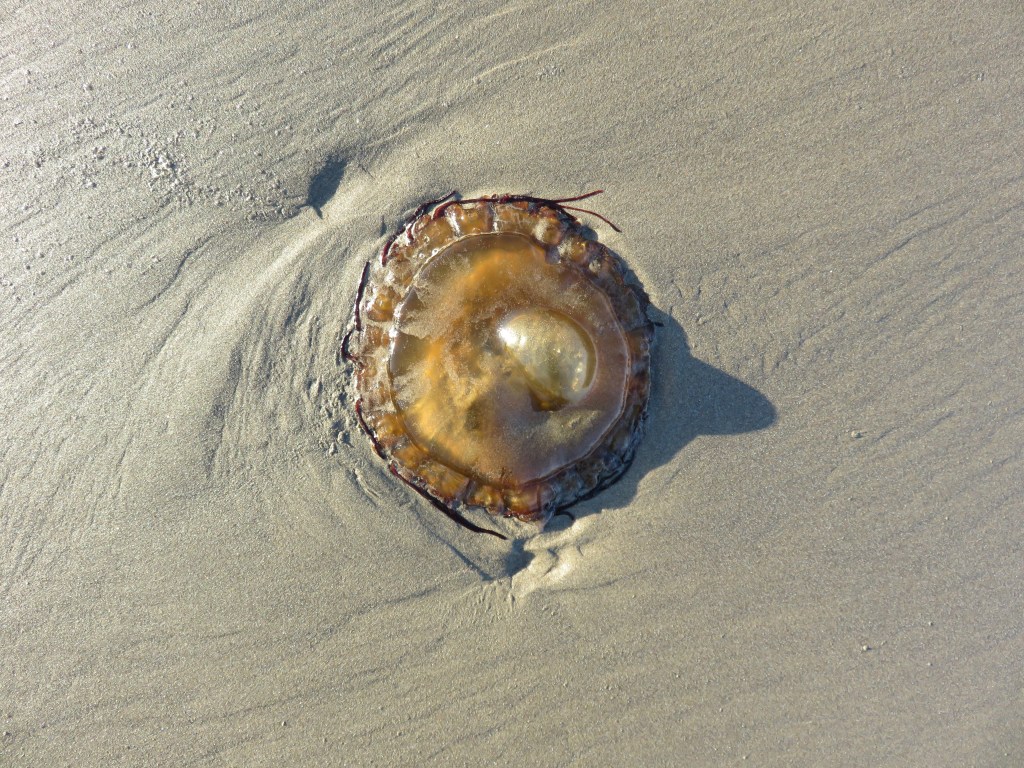
Looking down or looking up, there is always something to see.
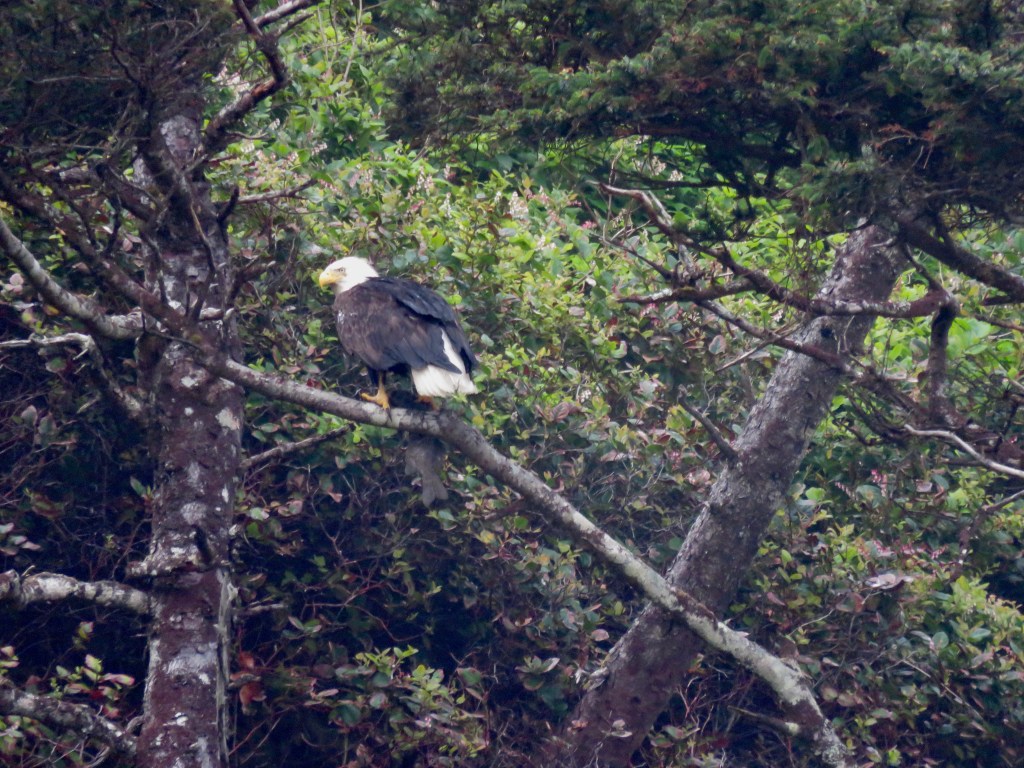
Happiness to all good fathers. I am not convinced the eagle above is a father. Perhaps the mother of one of the local pairs. There are at least two adult pairs in our immediate area these days. We see one or two or sometimes four on our walk.
Today is Fathers Day. A shout out to three wonderful fathers in my family: Gary, Alan, and Ian! May the day be good to you.
 IMPERFECT PATIENCE
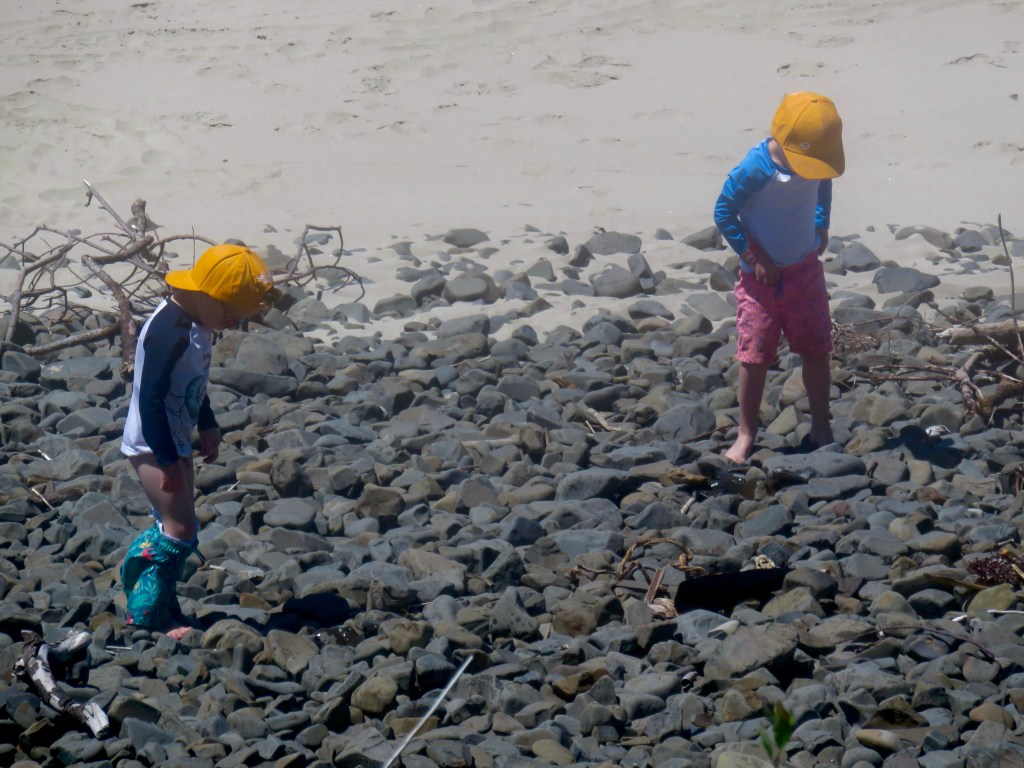
I would be amused by the boys peeing. When we are out in the yard I let our grandsons pee in the garden. When they were smaller it was hard to get to the inside toilet in time. It was reported to me by their mother that she got a call from Royal’s kindergarten teacher that he peed outside at recess. I laughed and said oops to myself. Now I give him the option and remind him to use toilet at school.
LikeLike
When I was about six or seven years old, I hurt myself and swore at school. (Did I say “hell” or damn”?) I was sent home with a note to my mother, who had used that word but certainly not intended for me to imitate her. As my teacher had explained to me that it was not a polite thing to say, I was terribly embarrassed, so much so that I recall that shame even today.
We have a neighbor (our age) who still blows his nose onto the sand (so does his son) and pisses at the end of our road.
I do not find it amusing, but perhaps I am unreasonably fussy.
LikeLike
Beutiful wild life. Beautifully photographed. Not easy capturing those birds!
So different yet not so different from our Maine coast. We have more and more birds of prey, ealgles, osprey… Well those lttle boys are cute – cant really blame them for their thoughtless parents!
LikeLiked by 1 person
if there are jelly fish then are there peanut butter fish?
pelicans are cool
these kids are not related to us, but at least they did not piss on the path
and lastly and sadly, Jack, I did not take the photos this time either
I am stopping now or soon, happy fathers date—dab
LikeLiked by 1 person