
I could have posted the photo of the crow parents showing their offspring a pair of running shoes on a log or the passage of pelicans. Instead, a pattern in the rock.
Yesterday Gary drove to Astoria and waited an hour to hand over our two cable boxes. I did not renew Acorn (which is why I watched all of Poirot last week). I stopped our subscriptions to Washington Post and The New York Times. I receive free regular information from Smithsonian and The Guardian and blogs and poetry journals, and we will continue to support several charities. From Smithsonian:
SMARTNEWS Keeping you current
Ethiopia Plants 350 Million Trees in 12 Hours—a New Record
The government claims that volunteers at 1,000 sites participated in the coordinated reforestation efforts
I tried watching the debates this evening but the first hour was taken up with arguing about whether Americans should be “forced to give up our chosen health insurance plans.” I wonder what America these people (the questioners and some of the candidates) live in? I do not know anyone who actually has much choice about their insurance plan. Maybe if I owned a large company I could chose. Five years ago when I had insurance through my employer, I could chose from three levels of one plan. I was allowed so many dollars to spend and I could bet I would get sick and spend my entire allowance or bet I would be healthy and take one of the cheaper plans and pocket the difference. It wasn’t much of a choice but it’s more than most Americans have.
Most of us, if we even have insurance through employment, are, A) stuck with whatever our employer offers. Or if we are buying insurance on the open market, B) our choice is between coverage that costs more than we can possibly afford and a plan that takes half our salary. Not much of a choice for anyone.
People work at jobs and in places they hate because they cannot afford to be without insurance. They work longer hours than they should because they need so-many hours to qualify. If they choose to cut hours to take care of family or are sick themselves or find a job they like better and lose coverage, they risk having to do without.
That’s not choice.
One candidate repeated that Medicare-for-all would close hospitals. This has been proven to be untrue. Hospitals would like us to believe it’s true, but it’s a lie. (Even my local hospital is the sleekest, most modern, well-appointed building in the area. Private rooms are nice and all, but medical care is supposed to be their goal, and I have had too many dealings with them, have witnessed too much in the ER.) Another claim was that Medicare-for-all would be easy and cheap, which is probably also untrue. Change is always hard.
What everyone agrees on is that the current system is better than it was in the past but not nearly good enough. We need to change the system to ensure that everyone receives the care they need and the insurance companies should have no say in how that is done. I would argue that sometimes the hard thing is exactly what we have to do.
Some years ago now, a single woman complained to me about how unfair it was that married people with children (me) had their entire family covered while she only had coverage for herself. She should receive a discount or be paid more. I pointed out that my entire family’s medical costs over the previous five years were less that hers had been in the last six months. (True, though not typical—but she had a raft of health issues, some of which were the result of her own unhealthy choices.)
She said: “Insurance companies don’t care how much my care costs.” Say what?
Insurance companies exist to profit. I buy insurance to ensure that I am not financially ruined by the costs of medical care. In case people didn’t know, medical expenses are the single most common reason people in the U.S. declare bankruptcy. It’s a gamble—break a leg, have a child with serious health issues, a mystery illness . . .
Insurance is a gamble where the house always wins. These companies do not exist to help anyone but themselves, they exist to make a profit. Long before our collective premiums add up to less than our health care costs, the premiums have been raised to ensure that the company can skim its percentage off the top. (Is their profit margin 23% as was claimed last night? I wish my savings earned such a return!) I do not smoke or drink to excess, I exercise daily, take no prescription drugs, and have no chronic health problems. This saves me a few dollars a month for my supplementary catastrophic Medicare policy. But if I were thirty years old and diabetic and looking for health insurance? Ouch.
Medicare has operating expenses of 2-3%, insurance companies take 23%. The math is simple here. Whatever system we come up with to replace private insurance will cost less per person while covering everyone. Will unions renegotiate pay once their employers no longer pay medical premiums? You better believe it. Will taxes go up? Probably, for many they will, but my employer paid well over ten thousand dollars for my insurance. It would have been nice to have yearly cost-of-living raises, and I might have had them if they had not used my medical insurance costs as an excuse to hold back. You think?
The average person in sixty-three countries receives care through some form of Universal Health Care and pays a fraction of what we do here in the United States. They live longer and healthier lives, their babies die less often, and they do not have to worry about a change of work costing their coverage. It is foolish to accept the argument that what works in dozens of other countries cannot work here.
Sure it can.
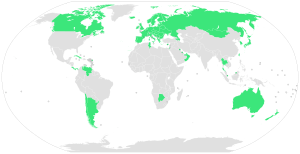
Nations with universal healthcare.
My husband and I have done our best to simplify our home and our lives. But terrible things do happen even when we have ever-so-carefully planned otherwise. Insurance is a way of playing safe against the risk of losing everything. The problem in the United States is that playing safe costs us more than it should—in dollars and peace of mind.
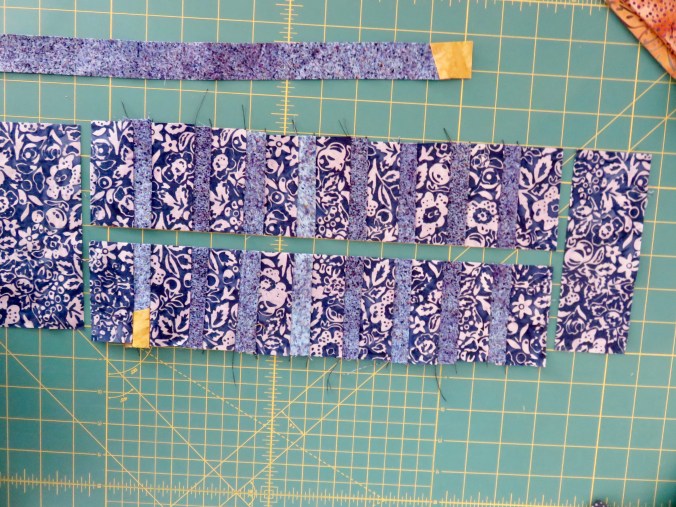
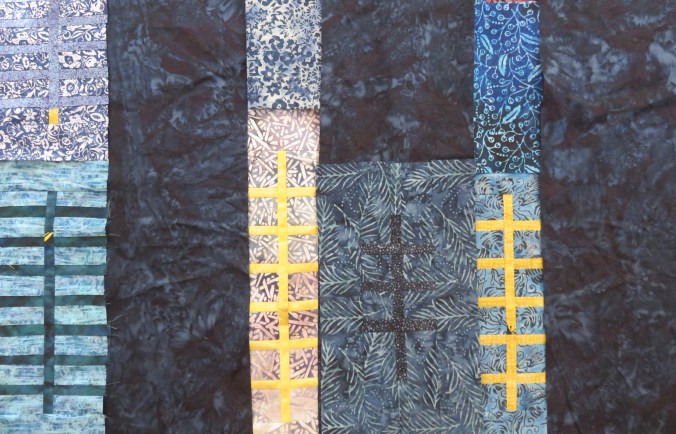 Here are the first few blocks laid out in stripes. I have begun cutting and piecing, eight blocks so far. Laying out the pieced blocks on the floor tells me how far I have to go and how different combinations of hue and value work. These blocks are not sewn together and they will be moved around as I work. I mean to alternate wider and mostly solid dark stripes with narrower and mostly pieced stripes. Some fabrics are so charming in their pattern I will include them as whole blocks rather than piecing.

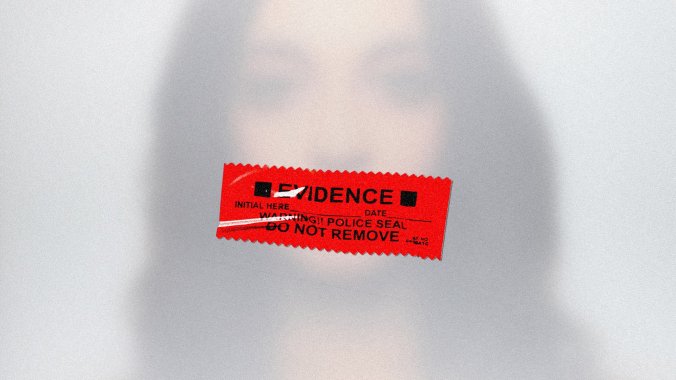 The current cover story of The Atlantic describes the crime most likely to escape prosecution. It’s rape. And not for any of the reasons we have assumed for so long. People are no more likely to lie about having been raped than any other crime, but police are far more likely to think a rape victim is lying. Think about it. If someone says their sister was murdered or robbed, is the initial reaction doubt that the death or loss of property occurred? If you saw someone you actually recognized running off with your television, would that mean the police would not bother to investigate the theft?



 IMPERFECT PATIENCE