
My tongue tastes copper metallic. My throat feels the smoke. Sand blew in the skylights open at the beginning of the week.
Gary and I live in my grandfather’s house on the Oregon coast. My family has been here for 109 years. My mother recalled the Tillamook Burn, the first one. She and her sister played in an ocean that was warm and returned to the house covered in soot. She said it was wonderful fun, but their mother was exasperated. All water in 1933 had to be hauled by hand and warmed on a wood stove. There was not yet a road to leave and my grandfather only came on weekends. Thinking over that story my mother told me, I think my grandmother must have been terrified.
That first of the Tillamook Burn fires began 14 August 1933 and was not extinguished until rainfall put it out the 5th of September. My mother was eight years old. All told, 350 thousand acres burned during those weeks. While that fire still burned, my mother, her sister, my grandmother and grandfather drove north on the beach and then east to escape to Portland, Oregon where they lived nine months of the year.
(The second fire burned 190 thousand acres in 1939, the third burned 180 thousand acres in 1945, and the fourth 32 thousand in 1951 before I was born. These mostly burned over the same ground.)
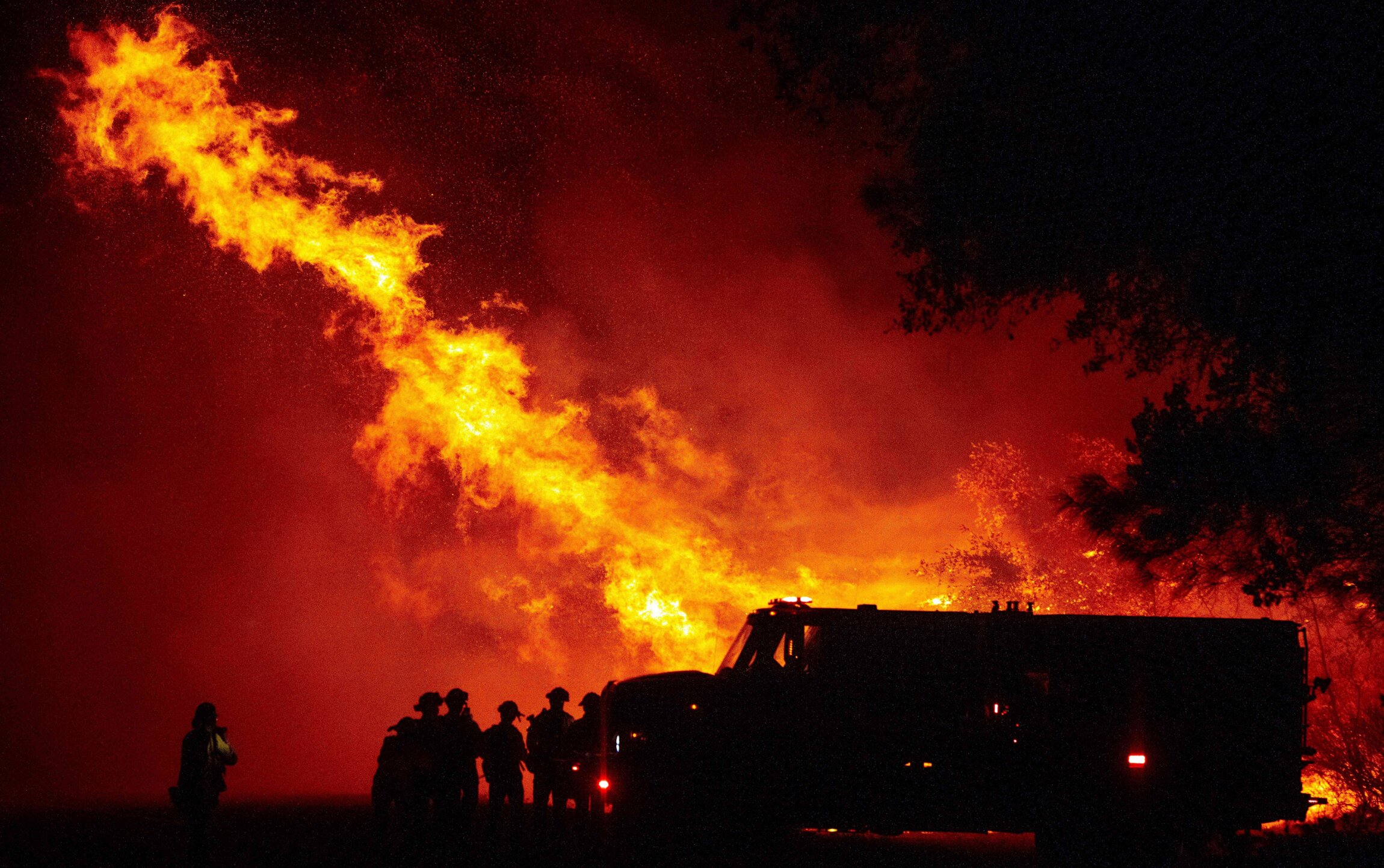
Yesterday, Portland had the worst air quality of any city in the entire world. By this afternoon more acres had burned in the past three days than during all four Tillamook Burns put together. People died—no one is certain how many in my state. Nearly a million acres have burned in Oregon. Many fires are still completely out of control, “uncontained.” Some are predicted to continue burning right through Autumn and into Winter. Firefighters (30% of them college students) are overworked and tired.
The number of acres that have burned in the state in the last three days is almost double the amount that typically burns in an entire year. “We have never seen this amount of uncontained fire across the state,” Governor Brown said.
—The Oregonian
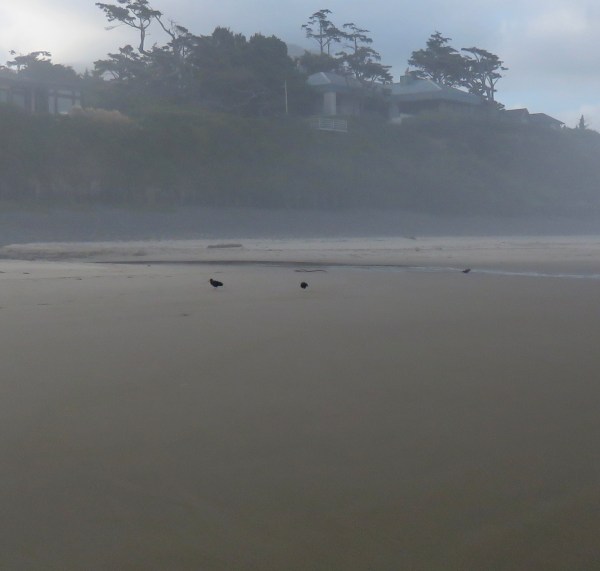
Here, visibility has closed off views north, south, east, and west. The smoke has been so bad sometimes that we could not take our daily walk or open windows. It is worse in the Willamette Valley and further down the coast.
Irresponsible locals blew illegal fireworks into the air at the edge of the State Forest a few days ago. People walk toddlers on the sand. Tourists who arrived yesterday in the rental house next door are burning a wood fire in the fireplace. We shake our heads.
Isn’t it obvious why a smokey fire is a terrible idea? Even on vacation? While forest fires make breathing “hazardous” in nearly the entire state and thousands are homeless? They probably put the air conditioning on because the weather has been unseasonably hot. (But no, they opened windows.)
The yellow sky holds a blood red disk.
The air burns orange, the light
all tinted brass. Take care, dear friends,
it's dangerous. We all still hope
we'll survive this year, more than that:
live to see a yellow sun again,
a blue sky, clouds, and rain in puddles.
Share my faith in future better times,
in quiet walks, a song hummed, truth
told, the news of birds returned to nest.
• from the State of Oregon:
Stay safe from wildfire smoke
As wildfires continue throughout the state, please continue to take care of yourselves and those around you. Keep an eye on local conditions in case evacuation levels change and find resources at wildfire.oregon.gov.
With wildfire smoke creating unsafe air quality conditions that are expected to persist for several days, please remember to follow these tips to protect yourself and your family:
- Stay indoors as much as possible.
- Limit activity outdoors.
- If you have heart or lung disease or respiratory illnesses such as asthma, follow your health care provider’s advice about prevention and treatment of symptoms.
- Reduce other sources of smoke, such as cigarette smoking and wood-burning stoves, for example.
- Check current air quality conditions. Go to oregonsmoke.blogspot.com to find the current air quality and wildfire smoke resources.
- Stay hydrated. Drink plenty of water.
- Remember that while cloth masks and face coverings do not protect you from wildfire smoke, they do offer protection against COVID-19. N95 respirators may offer some protection if properly fit-tested and worn. Otherwise, they may create a false sense of security. N95s are not available in children’s sizes.
- Learn more about the dangers of wildfire smoke and how you can stay safe by visiting healthoregon.org/wildfires.
•
It is probably fair to note that the State officially asked people to avoid outdoor fires in April. April.
•




 &PRIDE Press