Right now, it’s easy to feel hopeful, optimistic. Gary keeps reminding me that it wasn’t his cruelty that turned the tide against MAGA, it was inflating cost of living. You know all the stuff he’s done: ICE, ridiculing veterans and people with handicaps, conviction of crime, abuse of women, his ugly personal life and bankruptcies, the wasteful spending of public dollars and self aggrandizement, the graft. That isn’t what made people reconsider. It was the cost of groceries and gasoline.
Today, I am hopeful we’re getting back to the basics of human decency. Gary and I have been celebrating since Tuesday. But still, I’m thinking about what it means to be human.
I have studied anthropology, archeology, art history and human history, psychology and sociology. Writing a novel about an imagined future took me to research and long thoughts about what makes us human, what we need, and how we may have misstepped as a species. I have come to believe that much of what we consider normal in our lives—the work we do, where and how we live, what we eat and purchase and the very act of buying stuff—is not how we have evolved to live. Somewhere along the line a thousand or a few thousand years ago, we lost our way, and in the last couple hundred years it’s gotten worse. Much worse.
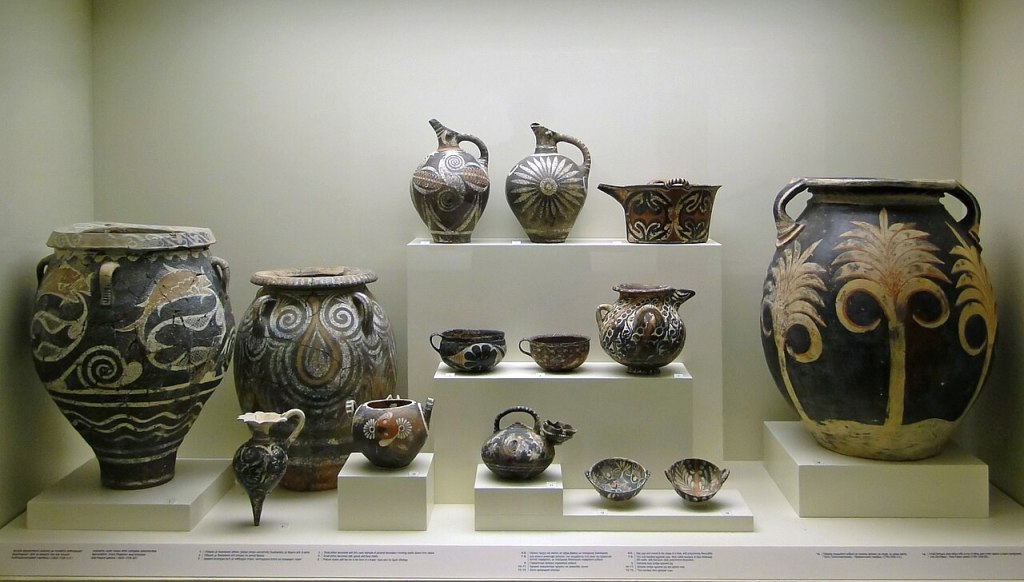
The industrial revolution probably didn’t serve to improve our happiness or health. Joni Mitchell, in her song about “Woodstock,” warned us we need to “get back to the Garden.” Can we find our way?
In 2024, according to the CDC, “19.3% of [American] adults took medication for their mental health and 14.0% received counseling or therapy from a mental health professional in the past 12 months.” I’ve read estimates that are much higher. Many of us need medical intervention to get through our ordinary days.
It has long been a joke between my husband and me that we take turns being sad. e.g. “It’s my turn to be depressed.” What makes us sad isn’t about money or each other, it’s not about what we eat or where we live. Our sadness is about relationships with other people, with politics and fairness. Lately too, it’s sometimes about age because we both hurt all the time. We miss family.
The sea flows south, the wind blows north and tips over breakers moving energy east toward the shore.
We didn’t evolve to need medical interventions in order to manage life, it’s not even about us as people or animals, but about the way we live.
Today, much of the world genuinely struggles to survive. Starvation, disease, thirst, and war are not yet rare. The “green revolution” back in my youth was supposed to solve hunger by producing more food; it failed because while the crops yielded the numbers of humans has doubled, and since doubled again. Medicine was supposed to cure disease; crowding and travel have created new health challenges. Ordinary drinking water poisoned people in Detroit. We never seem to abandon war.
For most of humanity’s existence in much of the world, this wasn’t the case. People were born, lived, raised families, and died without suffering any of that. There is ample evidence that the so-called New World, for example, mostly fought “wars” like harmless ritualized games and didn’t know disease of any kind. People had enough “free time’ to decorate barely accessible caves deep in the earth. We have proof of visual creativity, and that stories and music and art are universal to humanity.
The reality that our ancient ancestors worked shorter hours and ate better always surprises people these days. Even in ancient times people lived long and prospered. There remains that naive faith that with technology and modern science, human survival moves in an ever-upward trajectory.
I wonder if it has. In fact, there is evidence that life is harder and less pleasant for the majority of our species.
Life expectancy increased in the twentieth century with government restrictions and oversight. Food had to be safe to eat and the drugs weren’t allowed to do more harm than good. Basic sanitation saved lives. So did union-won limits on working conditions and working hours and minimum wages. Antibiotics and childhood immunization in mid-century saved many more people including those who otherwise would have died in childhood. In the mean time industrial poisons, polluted water and air, and overcrowding have taken their toll. People live not merely in poverty but in food deserts with toxic air and water and clothing. Our lives are limited by exposure to the side effects of the very advancements we trust to save our lives. Solitude and anxiety have replaced sitting around a fire telling stories in the darkness. We have electric lights and surgery, but probably need more surgery than our ancestors did.*
We are told that for the sake of our mental health, we need to relax. We need 7-9 hours of sleep and regular exercise—get those 10,000 steps! We should abstain from alcohol and ultra-processed foods. At the same time, we watch competitive sports and down beers and hot dogs. It’s American as apple pie, but most of us don’t know how to bake a pie. Most of us trying to achieve a work/life balance have forgotten that working is something our ancestors assumed was their life, not an interruption to life but just living. People once gathered and preserved, wove and knit, baked and dried, built and repaired, and spent evenings when it was too dark to do anything else talking to one another.
Now we struggle. Some of it is inevitable. We struggle to give birth and have patience and discover answers to questions. We struggle to see meaning. We assume all struggle is inevitable. We struggle to get to sleep and to wake up. We struggle to get through our day. We struggle to find partners and friends and joy each day. We struggle to see the meaning in that work we want to balance with “life” as if we were not alive while working. We suffer needlessly, except that our societies demand it. Our lives are impoverished as a result of our struggles.
Our nation fought a “war on poverty” once upon a time, and some saw we were winning that fight until we elected people who insist poor people have earned their suffering. That cruelty runs counter to messages of faith and decency going back to the civilization of Sumer and to the books of Judaism, Christianity, Islam, and all around the world. “War” probably isn’t the right word for the struggle to alleviating suffering, but a better use of that term than the conflicts it labels today. Yes?
I know people who believe others behave well only because they are afraid of being punished if they don’t. Others are actively trying to be good. Just because. They see how life and the world are going, and they want to be on the side that cares about other people, the environment and all the rest.
If we must struggle, let it be for goodness’ sake. Let it not be for a bigger house and more clothing, a newer car or status or fighting over who is best. That’s what we’re told matters. Some believe it, and some are still trying to do the right thing. They’re not trying to earn a place in heaven; they’re worried about the children up the street who don’t seem to be receiving the care they need to thrive.
For those on the side of goodness for goodness sake, let us find purpose in our struggle and remember to luxuriate in what we thought we didn’t have time enough to enjoy. Smile, laugh, walk, talk, sleep, think, listen. Please listen.

* As an aside, most everyone I know has had surgery to remove tonsils or appendix or gall bladder—infections that without surgery would have killed us. Those guardian-organs of our healthy system were long believed to be without function. We still don’t know for certain what they do. Now I wonder that no study has been done to determine why so many of us would die without an appendectomy? I’m not talking about the cause of 5% needing their appendix removed but the root of that causation. Were we always so vulnerable? Has the frequency of these illnesses increased or merely remained stable?


I said the same thing to my husband, that mostly, it was the price of gas that caused the blue wave. Ultimately, I think it was more than that. I think the big turnaround for the Latino vote was the indiscriminate capture of Mexican and Mexican-American families. Children in cages, still, which could eat at one’s conscience, knowing your vote put them there. And other factors, too, which hit home to enough people to want change.
LikeLiked by 1 person
My maternal grandmother was born in Texas and lived most of her adult life in Portland. Her mother, Rosa Garcia, was born in in Mexico. My gaga was a registered republican all her life, but always voted democratic the Pacific NW. She would have been so pleased with Texas this week!
LikeLiked by 1 person
Let us struggle for goodness’ sake.
LikeLike