Right now, it’s easy to feel hopeful, optimistic. Gary keeps reminding me that it wasn’t his cruelty that turned the tide against MAGA, it was inflating cost of living. You know all the stuff he’s done: ICE, ridiculing veterans and people with handicaps, conviction of crime, abuse of women, his ugly personal life and bankruptcies, the wasteful spending of public dollars and self aggrandizement, the graft. That isn’t what made people reconsider. It was the cost of groceries and gasoline.
Today, I am hopeful we’re getting back to the basics of human decency. Gary and I have been celebrating since Tuesday. But still, I’m thinking about what it means to be human.
I have studied anthropology, archeology, art history and human history, psychology and sociology. Writing a novel about an imagined future took me to research and long thoughts about what makes us human, what we need, and how we may have misstepped as a species. I have come to believe that much of what we consider normal in our lives—the work we do, where and how we live, what we eat and purchase and the very act of buying stuff—is not how we have evolved to live. Somewhere along the line a thousand or a few thousand years ago, we lost our way, and in the last couple hundred years it’s gotten worse. Much worse.
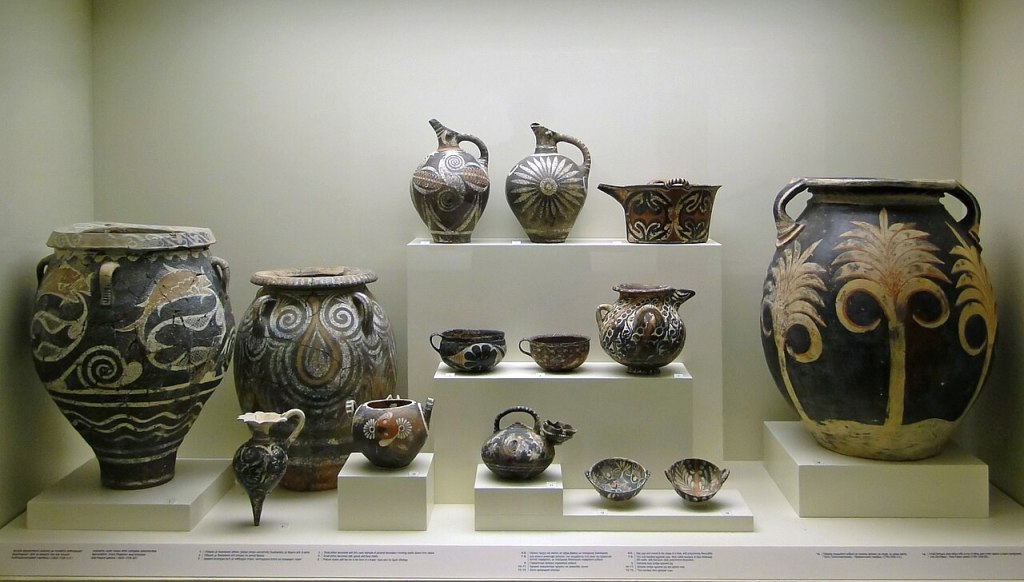
The industrial revolution probably didn’t serve to improve our happiness or health. Joni Mitchell, in her song about “Woodstock,” warned us we need to “get back to the Garden.” Can we find our way?
Continue reading
