It might have been a very young Ruby who used to say: “Doing?” as in “What are you doing?”
Knitting, reading, and revising and submitting two stories and four poems. And working on the novel. You remember that? The book? I meant to take a break from the novel, slow down, get some rest, but it’s almost as hard to stop as it was to get moving so fast last month!
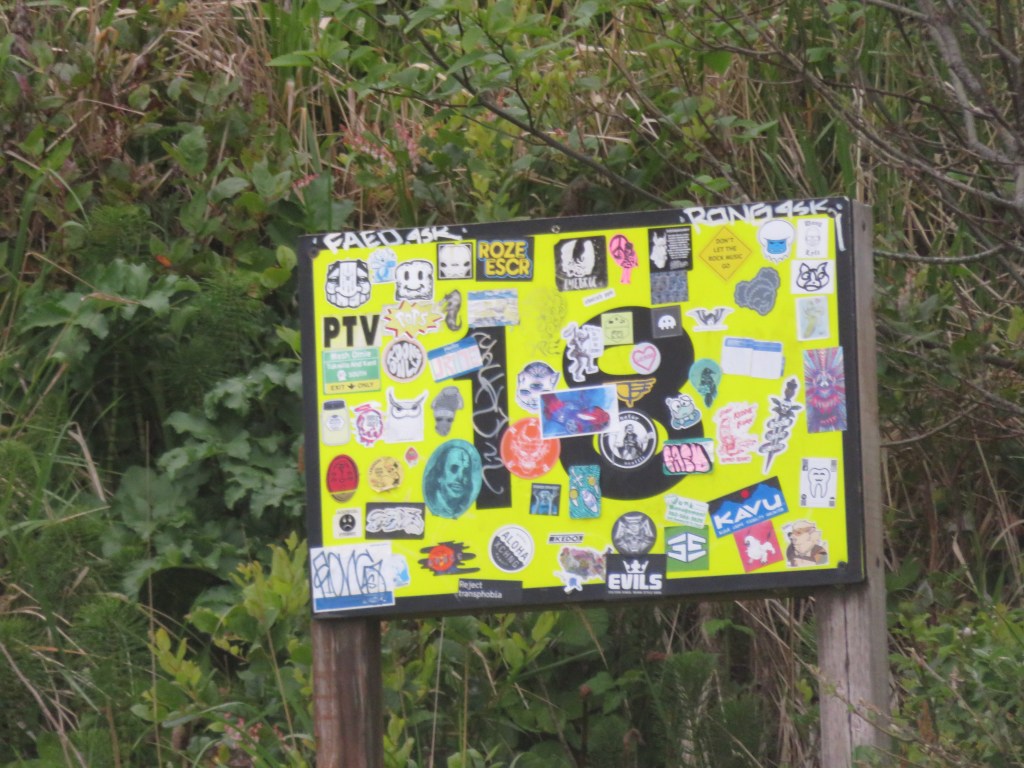
Spellchecker is always turned off on my computer. Using the computer to verify spelling and grammar is what I do last, if at all—an effort to learn to find my own errors before the machine is allowed to weigh in. For most of the years I taught I used this strategy to force myself to learn how to spell. (Don’t let anyone convince you that bad spelling is a personality flaw. I was sixty years old before I realized that I’d learned to overuse commas from reading nineteenth century British novels. I never learned the rules of grammar because my parents were well spoken and I knew what sounded right—a weakness as it turned out, for an English teacher. Don’t even talk to me about Autocorrect, which routinely guesses what I meant incorrectly. I am also a terrible typist.)
Four drafts done, and now many typos have been corrected with spellchecker, at least half of them because certain keys on my laptop stick—notably the R.
I updated the short bio that I use for submissions, wrote a short pitch for the novel and a shorter “elevator pitch,” a synopsis, and a shorter version of that synopsis, worked on a brief description of my novel’s target audience, and came up with a list of comparables. That last—the recent books similar to mine—is the toughest. I would love to compare my novel to Le Guin who is smarter, or Naomi Novak who is funnier, but I did what I could. I assigned myself a list of four comparables from the past few years and found five. I am most impressed with my synopsis, which needed to both fit on a single page and describe the entire novel. (I won’t share that because of the spoilers.) It says something that I am able to do all this when I have never managed to make myself do it before.
Gena wakes up after abeing ill and discovers everyone in Seattle is dead. The stink alone is enough to shatter her, but her partner, her mother, all of humanity, and every bird, reptile, mammal, fish, and amphibian in the world is dead. The power and internet are out, the tap won’t turn on. She scavenges to survive, living on for years without sleep, until she begins giving birth all alone in a blaze of sexual pleasure. She will live a hundred years beyond her time, birthing Daughters who look nothing like her but very much like one another, who do not compete or quarrel but smile and sing.
—the pitch for All the Daughters Sing
Without sexual tension or competition, reconsider what it means to be human. Pitches are a taste meant to tantalize not tell. The synopsis tells all.
Gena, a young woman in Seattle wakes up from illness to find everyone has died. She struggles to find food and water, to survive entirely alone. She never sleeps again. Decades later, she begins to birth Daughters who look nothing like her. Then she discovers there are others.
—elevator pitch
The elevator pitch lacks compelling specifics and needs work. And I continue to tinker.
I have created a very short list of possible agents, reviewed their submission requirements, and noted web addresses. Hence the synopsis and bio and pitches and target audience and comparables. Each agency or agent has specific requirements: a query filled out on line with text pasted, email with attachments, or everything pasted into an email. They want ten pages of the novel, or three chapters, or fifty pages. They want a bio, or a statement, or a “brief synopsis.” Some details are limited by character count. None of the agencies promise to respond, but I should give up after waiting six weeks: “consider it a pass.” All the agents are women.
Have I mentioned doing this before? I have. If they were interested, I heard back quickly. Usually. It’s been more than a decade so everything is different, more exacting, and I do not have an Instagram or Twitter presence, optional but requested. I am only marginalized by age and being female all my life. At my age, even with a lot of material stashed, I am probably not a good bet for building a “lifelong” career. I am a long shot. Submitting a novel is not for the faint of heart. When has that stopped me? On the other hand, if I were tougher, I’d have queried this novel before now. That would have been a mistake.
It’s not happening now. No queries going out anytime soon. Not yet. But I will do it. Probably.
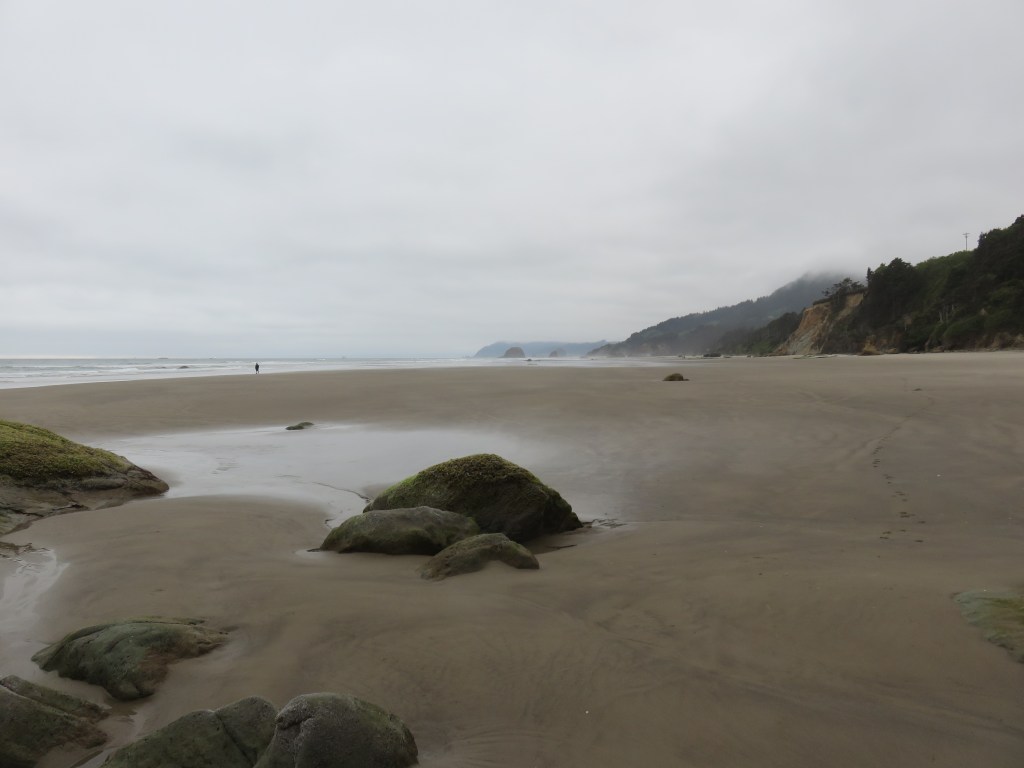
 IMPERFECT PATIENCE
it might be possible to take a break and do a doing at the same time
the boundary between if it does exist might not really be there
until it is passed and fading like bird song grown quiet
LikeLiked by 1 person
poetry, my love, and in the middle of the night with little sleep
LikeLike
You sound like you have everything quite organized for when (or if?) you send out your manuscript. I should take notes 😉
LikeLiked by 1 person
I have never been this organized before! I found agents online and then filled in the gaps in my preparations without actually submitting queries.
LikeLiked by 1 person
Catching up after a touch of hibernating. Good luck with story & poem submissions. And novel when the time is right.
LikeLiked by 1 person
We all need a rest now and again, and you have been a busy person! Thank you for your good wishes.
LikeLike