Works Progress Administration “(WPA; renamed in 1939 as the Work Projects Administration) was an American New Deal agency, employing millions of job-seekers (mostly unskilled men) to carry out public works projects, including the construction of public buildings and roads. It was established on May 6, 1935, by Executive Order 7034.”—Wikipedia
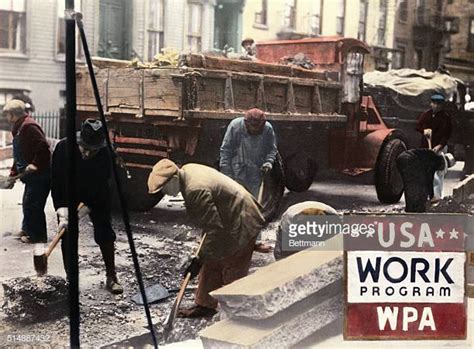 According to the Encyclopedia Britannia: “During its eight-year existence, the WPA put some 8.5 million people to work (over 11 million were unemployed in 1934) at a cost to the federal government of approximately $11 billion. The agency’s construction projects produced more than 650,000 miles (1,046,000 km) of roads; 125,000 public buildings; 75,000 bridges; 8,000 parks; and 800 airports. The Federal Arts Project, Federal Writers’ Project, and Federal Theater Project—all under WPA aegis—employed thousands of artists, writers, and actors in such cultural programs as the creation of art work for public buildings, the documentation of local life, and the organization of community theatres; thousands of artists, architects, construction workers, and educators found work in American museums, which flourished during the Great Depression. The WPA also sponsored the National Youth Administration, which sought part-time jobs for young people.”
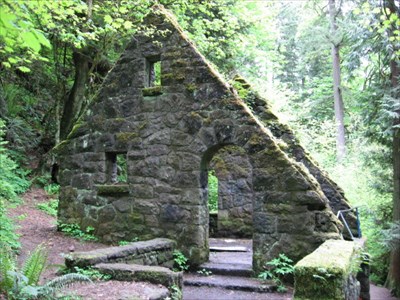
Abandoned WPA stone building in Portland, Oregon’s Forest Park.
At a time when a third of Americans were out of work, the federal government employed people to do something useful. It could happen again. Imagine what could be accomplished in repairing roads and bridges that are already overdue for repairs and upgrades. Projects that need attention, but no one seems willing to get going—and by that, I mean that people in power with the capacity for ensuring they get done seem not to care.
Yet.
Even now crews from ODOT (Oregon Department of Transportation) are clearing brush from beside Highway 101. It is a job that requires several people to run machines and direct traffic. No one needs to work closely, and the work might be more easily accomplished now given limited traffic on the road.
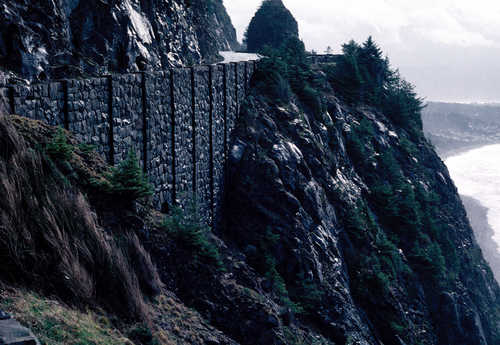
WPA stonework barriers provide the iconic view of the Oregon Coast from Neahkahnie Mountain
Highway 101 is just a couple blocks east of my home (U.S. Route 101) and was completed in the 1930s. Like most of the Coast Highway in Oregon, it follows a winding path between the Pacific Ocean and the Coast Range. It remains the only road in or out of my community. When my great grand aunts first built their summer home here in 1911, it was reached via the beach and only during low tide. There is a tunnel a half mile away that was blasted through the cape to complete this 1,550 miles-long highway that extends from the northern border of Washington state to the southern border of California.
Some of these 80-90 years old projects are familiar even now to most Americans. WPA stone buildings in parks, along side highways and tunnels were magical to me as a child. Just this past Christmas day, we walked with family to such a building. It is neglected and roofless but still wonderful. The WPA projects did good for people and for the country. They only happened because the federal government took the lead and put people to work doing jobs that needed doing, jobs that enriched our urban landscape, jobs that people needed.
Just for a reminder that things are a little wonky throughout the world, even in Russia, you might get a chuckle from watching dancers to Cream Soda.
 IMPERFECT PATIENCE
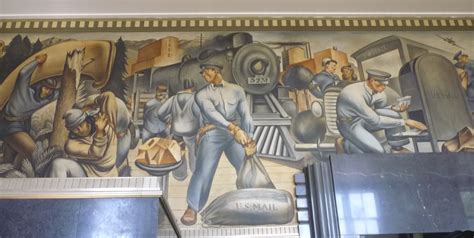
I recently watched a BBC arts documentary about American art that highlighted the amazing Post Office murals that were painted during that time, organised by the WPA.
Better roads and public art?! What are we waiting for? 😀
LikeLiked by 1 person
If we had leadership capable of LEADING we might actually get someplace. We might find a way to be useful to ourselves during a crisis, managing on a national scale what many people are doing at home. Individuals plants gardens, spend time with their children, complete household tasks—finding a way to spend at least some of their time usefully. We might find a way to manage this nationally.
LikeLike