Who was the boss of me? Most often that would have been my mother. Corporal punishment was extremely rare in my childhood. I ran wild in the woods and rode for miles on my bicycle. I came home with frogs and splinters and muddy clothing with the knees worn through. I do not recall being punished for any of that. On the rare occasion I was in deep trouble, I was sent to my room. (“Time Out” had not yet been invented, but “Go to your room until I tell you that you may come out” was pretty much the same thing.) Sending me to my room, I would eventually overhear in adult conversation, was not entirely successful. It seems I liked being in my room and would draw or read books without noticing my punishment.
Mostly I was well behaved. I said please and thank you as I’d been taught. I asked permission. I do not recall ever being deliberately rude to anyone except maybe my brother. Even sibling harassment (which flowed both ways) rarely occurred within earshot of my parents. That definitely led to banishment to my room. I was given rules about how to treat other people. Talking back, disrespect, refusal to do my chores—none of that was tolerated. “Think how the other person must feel,” my mother would say. Think how the other person must feel. I heard it a hundred thousand times. I believed her when she said it was important. She was almost always right, and I wanted to be good.
One painful example of my failure to be good involved thank-you notes. The very idea of writing a thank-you note made my stomach twist. I remember the feeling clearly all these years later, and also that I did not know what to write or how to do it. I suggested that Mom write the note and I would sign it. She actually did that once before she gave up entirely. My resistance was a mystery to me even as a child. Why couldn’t I write the thing? Sixty years later, I think I know. I really really did not know how to do it. There were no lines on the inside of the card, the card was very small, and I was used to lines and big pages and a fat pencil. I needed a model, or for my mother to help me create a model of a thank you note. All I had as an example of writing to my grandparents was watching my mother write letters. A hundred lines of neat writing on thin stationary was not something I could imagine doing.
It sounds ridiculous now to say that I did not know how and needed a model with the words “Thank you Gaga and Papa for the toy rabbit. I played with it all day. Love, Janice,” but I think it’s true. I needed my mother to write out the words for me on a sample piece of paper so that I could understand where to start and where to end. I dearly loved my grandparents. I just did not know how to fit my words on the card.
When I was teaching English to 16 and 17 year olds, I often found myself taking students step-by-step through tasks and ideas that seem obvious to most adults. We memorized The Preamble, wrote essays, took notes in several styles, and we studied the difference between fiction and nonfiction, considered how a person may be wrong without lying, and that it is important to thank the person when completing a personal interview.
When I insisted my Honors students address and mail me a one-page letter proposing their research topic, writing the letter was only half their battle. For a few years, when college applications were still on paper, I insisted they mail the letter to me. They were horrified. (Seriously.) I gave them a printed template for the letter—an outline for four brief paragraphs in full block business letter form with directions—and handed out #10 envelopes. (It was not safe to assume they had access to envelopes at home.) I drew an envelope large on the whiteboard, and demonstrated where to write their return address and the address they must send it to. Yes, they would have to buy a stamp. I told them what it would cost.
No one complained that they already knew this stuff. Almost none of them had ever mailed a letter before. Several told me after the fact that they had never before entered the Post Office, even though many of them did not even have home delivery of mail. They knew how to do many difficult things, but there were massive gaps in their experience even on simple tasks. This was not anyone’s fault. They were smart students, capable and generally willing, but like the definition of “pejorative” and typing an m-dash, they had no experience of how to do it. I needed to explain step by step.
That was me writing a thank you card when I was six. It is like taking a bus, filing taxes, changing a tire. Basic, maybe even essential skills, but someone has to show us the first time. [Full disclosure: I cannot use a smart phone. Yes, I can text—though I don’t—and search the internet, and I am confident I could manage more if it were necessary, but no one has offered to show me how to do anything, and so long as I can avoid figuring it out on my own, I will.]
When I finally sent a colored pencil drawing of a dragon as my thank-you, my grandmother unfolded and pressed it flat, framed it, and Papa put it up on the wall. I was astonished. I had not thought how they would feel. But my mother would continue to remind me.
Simple courtesy is not automatic. If there is crude language or anger or name-calling in the home, a child does not learn that these are unacceptable in the world at large. [I was sent home from school with a note when I was six or seven because I had used a swear word I’d heard at home. That was a mistake I struggled not to repeat with my own children.]
Students deserve respect. And that sometimes meant a detailed explanation of the difference between vulgar language and actual swearing and why the latter is particularly offensive to some people. I assured my students that I was not personally offended by most language, but that it was likely hurtful to some of their peers. In addition, I absolutely did not tolerate racist, sexist, ablest, homophobic, or other bigoted language. I told them such bigoted remarks were personally painful, that I hoped they would show respect toward me as I did toward them. Am I ranting? I do not think so, not quite.
But wait, there’s more. I insisted on some courtesies as necessary to life, just like changing a tire or using a phone. Know how to ask a favor, how to express gratitude, how to respond to someone who has lost their temper. Think about how the other person must feel.
The danger, as I saw it, was that without considering how others felt, my students were likely to be far from home some day and unknowingly offend a person they had absolutely no intention of hurting. That would be sad, I told them, wouldn’t it?
[For years, I also suggested in conversation the very real danger that when they were far from home they would use bigoted language that would get them “stabbed through the heart.” And then that happened to a student I knew. The boy lived, but being rude to some smaller, harmless-looking individual, he discovered they had a bigger cousin.]
Think how the other person must feel. Teasing, loudness, cruel words—think how the other person must feel.
It’s easier, lazier I would argue, not to hold standards, to give in or fail to follow through and strive to be consistent, fair, and clear. Isn’t that the perennial complaint: Kids these days! I hear that even from people younger than myself. But I think they are wrong that kids these days are different. Kids have not changed. Parenting is not harder or easier. I don’t think it was any different for me or my mother or her mother before that. Maybe we can do better.
My mother did not always exercise perfect judgement. She was not perfect. She made her mistakes. But she was the boss of me—as was my dad, grandparents, teachers, and other trusted adults. Mom set standards for my speech and other behavior that continue to guide me in the right direction. She did not necessarily reason with me as a child; she told me that certain words, attitudes, and behaviors were unkind or dangerous. You are not to do that again. It was not a negotiation. It was a rule.
One of the most helpful parenting tips I ever received had to do with the presentation of important rules. Some rules you can work on (guidelines, aspirations?), some are absolute and should not be followed by “okay?” I hear it all the time, that near-automatic request as if for agreement from the child. Do not hit the cat, okay? is not the message you want to deliver. Try: Do you understand? Do you promise? Don’t ask them to agree or disagree unless you are prepared to have them respond to your okay? with no!
I hear that “okay?” at the end of all sorts of parental directions, as if the child has a choice. But sometimes they do not. No toys at the table because banging metal cars dents the wood. You will brush your teeth in the bathroom because it’s easier to clean spit off the mirror than this couch. You will not say mean things to your grandfather because he is trying to help you and you will hurt his feelings.
It’s fair for a child to ask for reasons, and it is fair that a parent does not budge if the reasons seem unreasonable to the child. It is not okay to hit the cat. Not ever. You will not hit the cat, full stop. I want you home for dinner. Call me when you get there. Do not use that word when you are at school. There is no discussion or negotiation about such rules. The child does not have to like these rules or agree to them. They are about proper behavior.
“You will write a letter proposing your research topic, put it in an envelope, and ensure it will arrive in my P.O. Box by next Tuesday.” A discussion follows of how that may be accomplished, of how the mail is delivered, what happens if the letter is late or incomplete. I can explain and defend the need to do it. They have a choice of topic and thesis, Helvetica or Times New Roman font. Not writing the letter is failure of the assignment. Write the letter and mail it. , okay?
The other parenting tip I learned was about threats. Never threaten to do anything you will not actually do. If you threaten to send a child to her room for the entire morning if she hits the cat again, you better be willing to follow through. Mean what you say, make rules only about what is necessary, and if you give directions, do not ask for permission that they be followed but whenever possible offer choices or options you can live with.
As parents, our job is to provide guidance and rules. Maybe we can reason with the child, but if they do not care to listen about the danger of turning the oven on without permission, we insist anyway. Maybe we bargain about playtime and chores and bedtime. We negotiate: do this and you can have that. We do not always give them options. Sometimes we must be the parent: we insist this is what must happen. Behaviors with the potential for injury, pain, offense, unkindness are not subject to negotiation. We do not ask them if it’s okay. We can and certainly should explain the how’s and wherefores of accomplishing what is necessary, but certain behaviors are not acceptable. You will not hit your brother. You will eat your dinner if you want dessert. I am proud of you for holding your temper. I am glad to see you being so careful not to hurt the cat. I know you are disappointed, but I love you anyway.
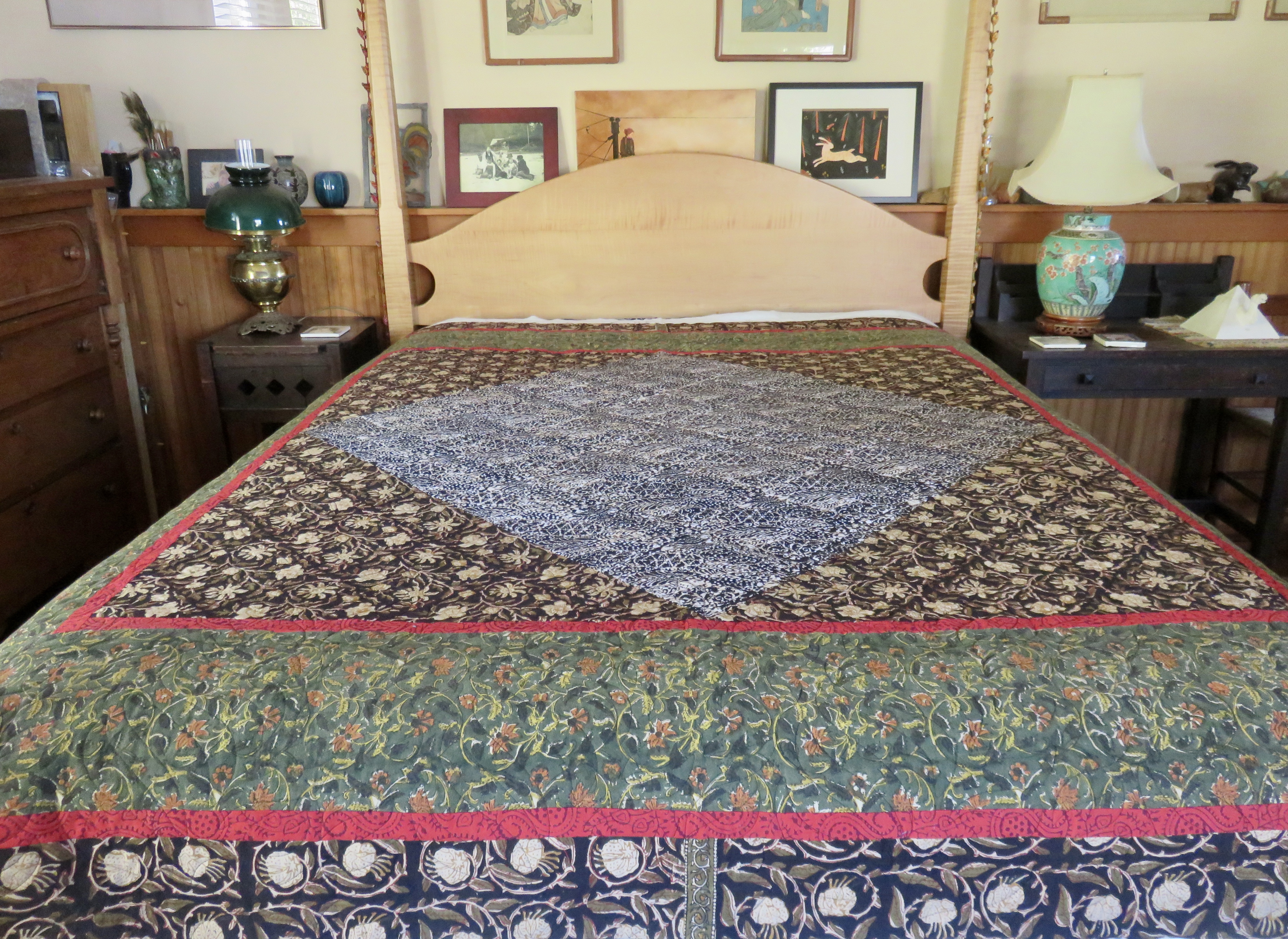
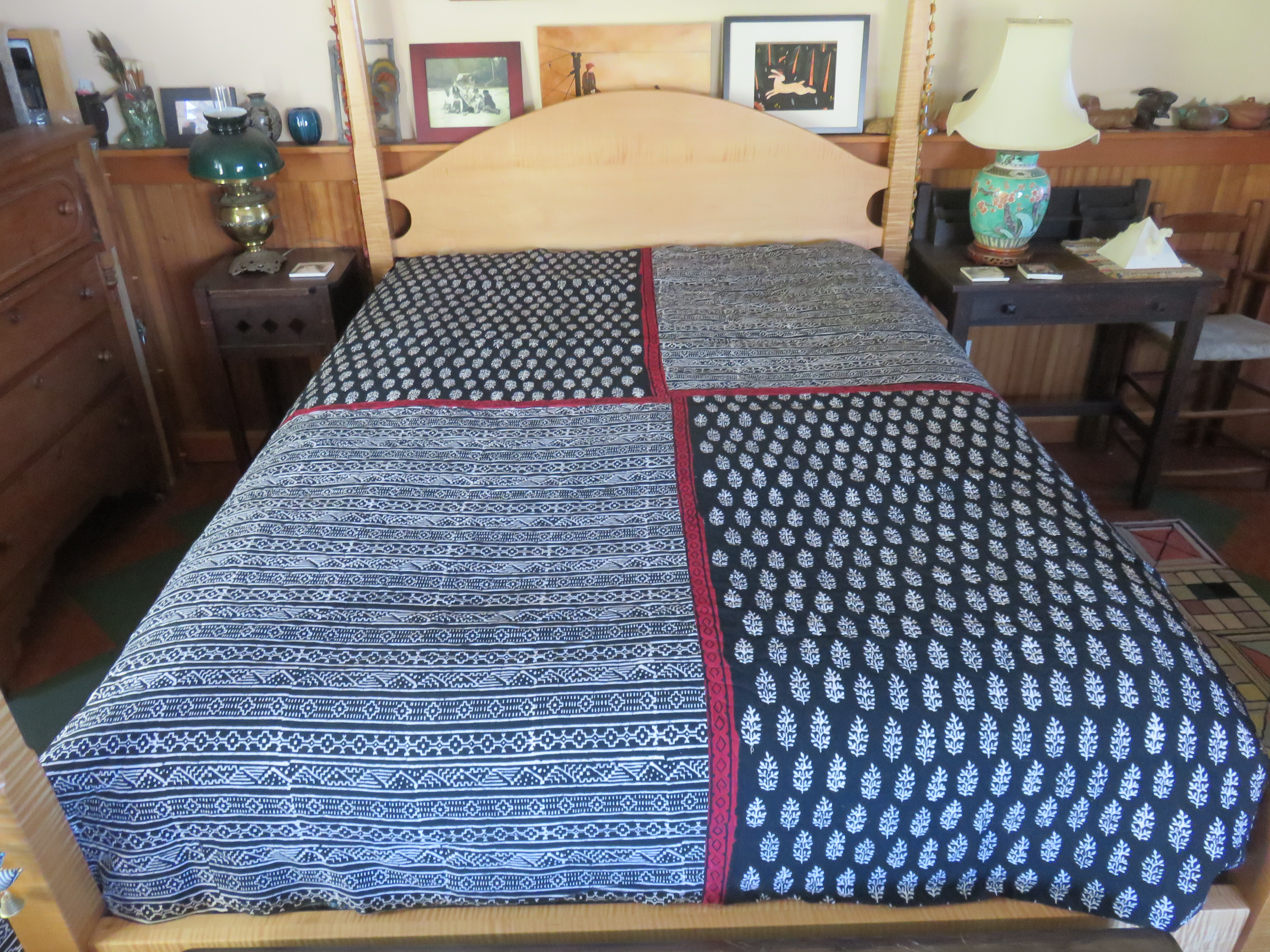
My mother was the boss of me. During a shopping trip she told me that the four-poster bed I admired was a stupid choice. I was forty years old that day. Mom was still trying to tell me what to do and I was a mother of two teenagers. It made me shrug and change the subject. Well, Mom was not perfect, but she was a good mother and taught me a lot. She irritated me, but I didn’t argue. We moved on to look at chairs because she needed a chair. I bought that bed twenty years later after she died. I laugh when I tell the story because I love her and she loved me. Right or wrong, she was still trying to do her job.
And I was thinking about how the other person must feel.









 &PRIDE Press