THE MESS

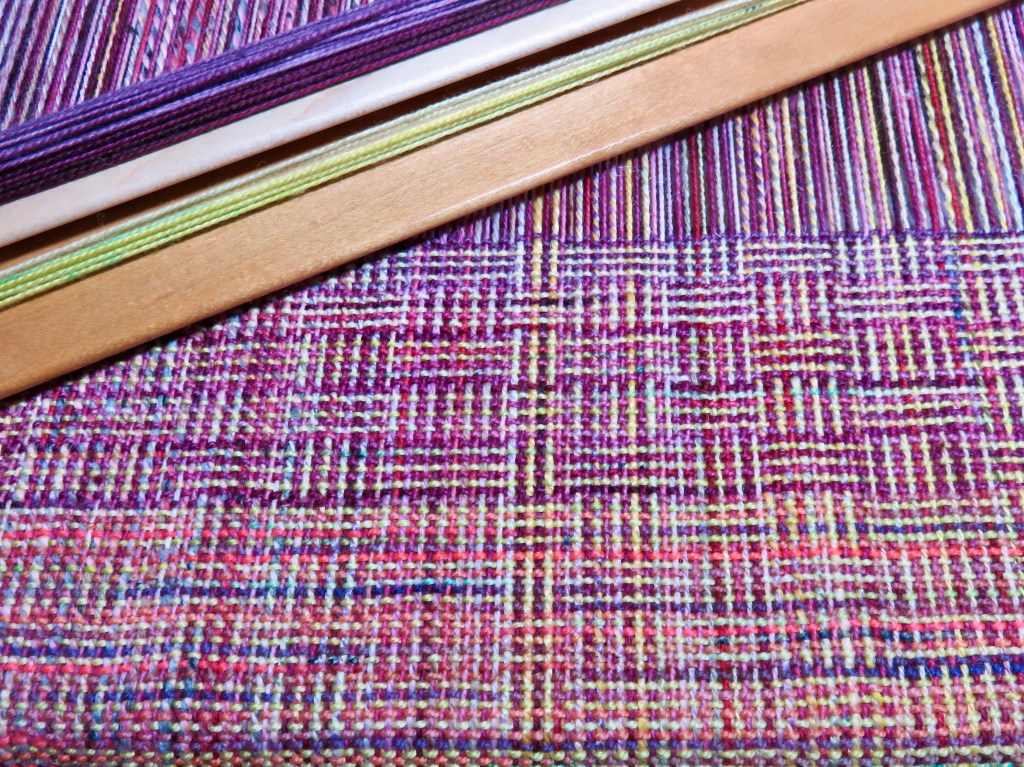
The blanket will only be 45″ by 85″ unless I put on a second warp and weave another (third) length. I could do that. I still have some handspun. As I work on the second length of this warp, I think more and more that I want that third length. It is a goal, and I need goals just now.

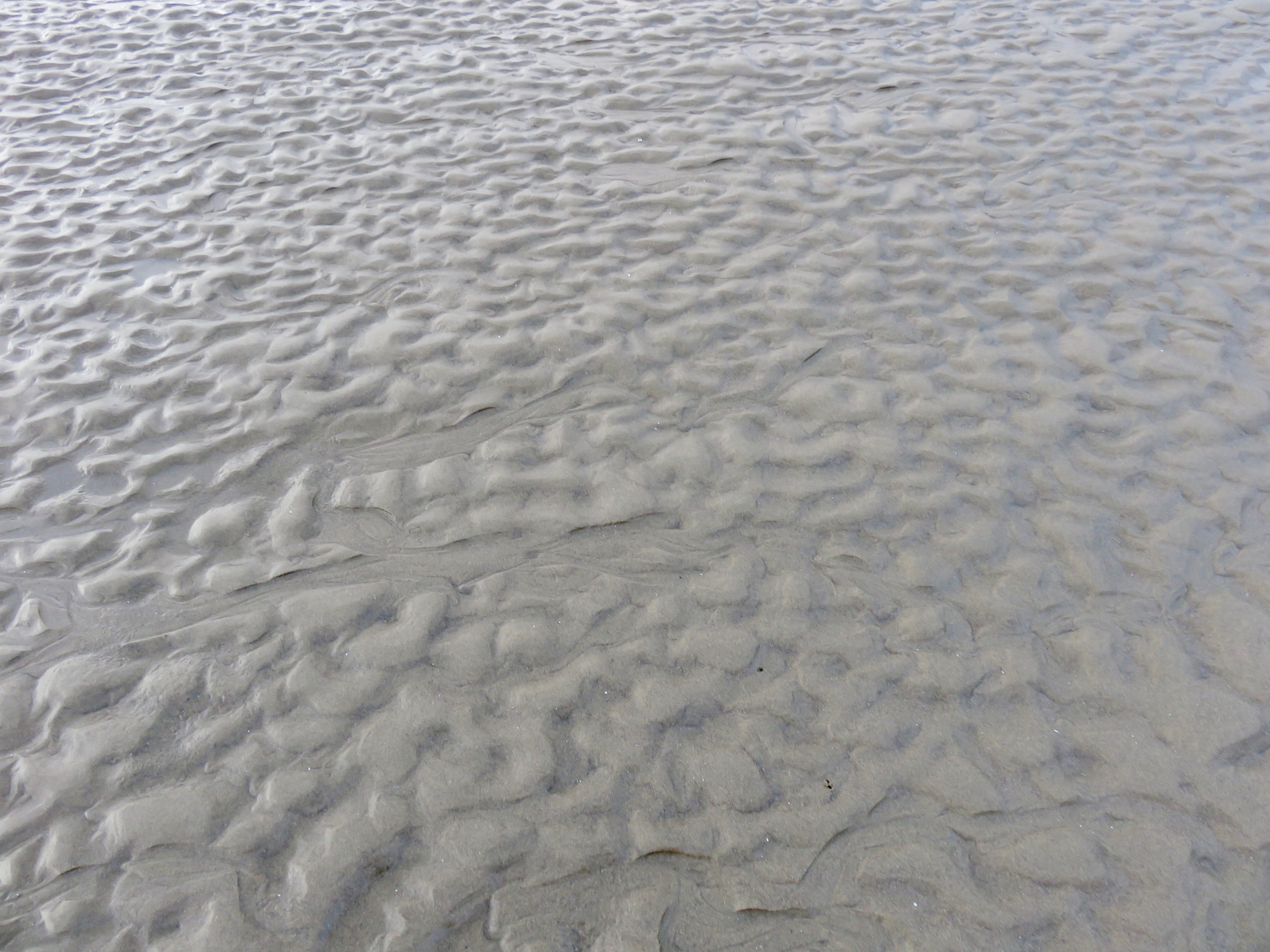
There are the needs of my husband, children, grandchildren, friends, students—the people who matter most—and then the things I do—reading, writing, playing with color and making meals. I read the newspaper every morning online—several newspapers. I look at real estate I cannot afford, I draw houses, something I have done since I was a little girl. I have worked for contractors and architects and directly for clients, and I have seen my plans built, but it won’t happen again. Next door someone is shoving mud around in the rain. It is a messy job. And my brain feels a little like that sometimes.

Continue reading

DREAMING IN COLOR

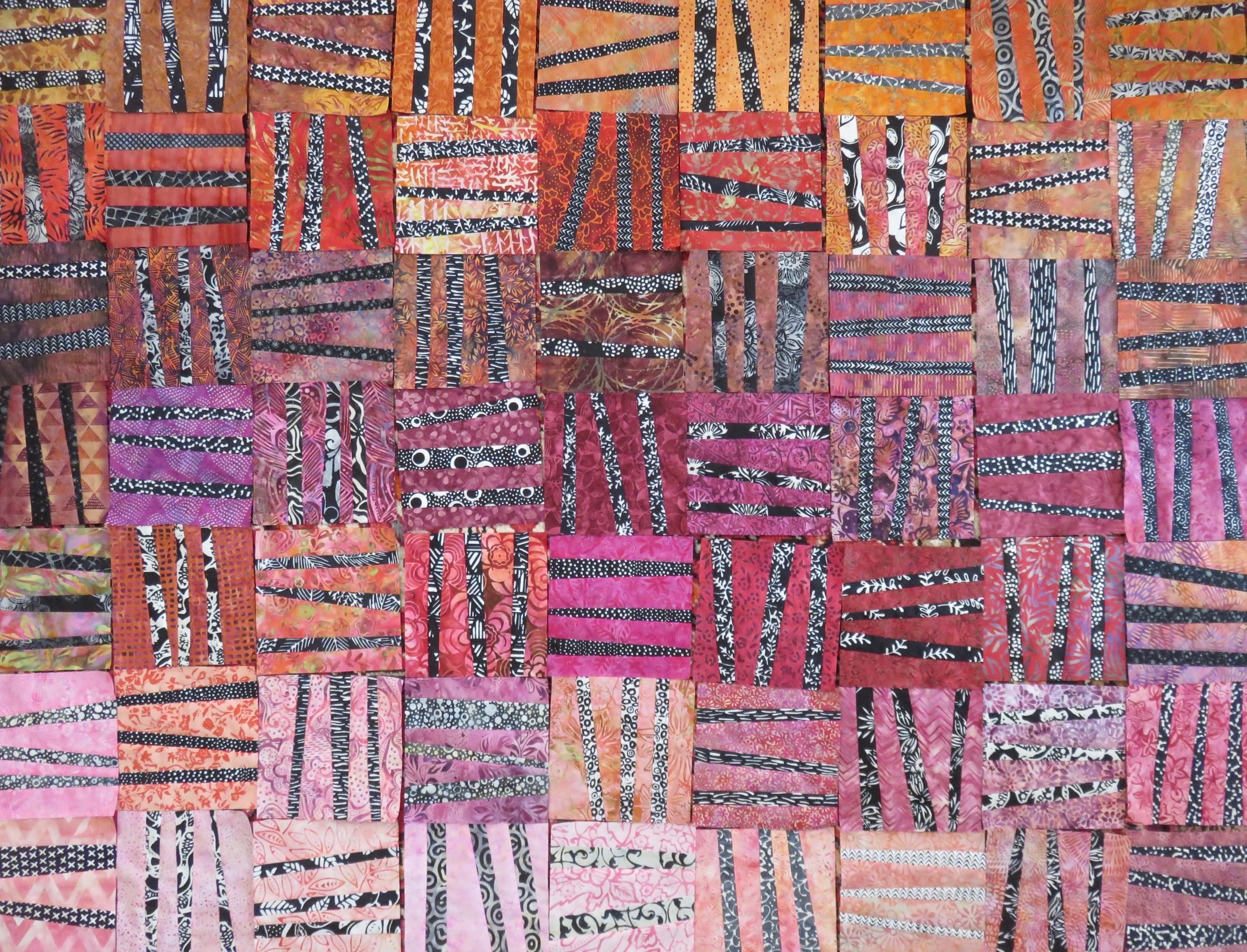
It is always color that I return to—here I have yarn dropped over batik fabric. I could not figure out the quilt so I moved on to the weaving instead. The last quilt I pieced just came home, but I won’t get to open the package and put on the binding for a couple of days. Then we’ll see “Winterberry.”

The sky is vivid blue and the sun burns hot and yellow. The horse is flying. The flying horse soars beyond rust-brown dirt roads and gardens of red and orange flowers and sunflowers, over green hills and streams edged with trees in full leaf. The horse flies effortlessly. Cold air brushes past my cheeks and the flanks of the horse. I feel power in my legs. Sometimes there are feathered wings on the horse. Sometimes I am the horse. My own muscled wings carry me through the air.

It is my favorite dream.

When my husband and I are having a good time, I am smiling. My eyes are half-closed. He asks me what I am thinking, and I grin and close my lids and tell him I am thinking of colors. Red and orange, shocking pink with juicy slices of chartreuse and violet, deep indigo and amber flicker in my mind’s eye. The riot of hues shift and splinter and recreate new tessellations in the darkness. Joy is these brilliant colors.

I come back to certain combinations in my work again and again. Purples with olive and sage green; maroon with shocking pink and acid yellows and greens; pinks with orange and a slice of turquoise; soft gray with plum and black. I cut the colors in fabric. I weave the colors, and my pleasure in the patterns on my loom comes through sight and touch and juxtaposition. These are my personal choices. The world has others. Each year, a panel of experts get together to select colors that will show up on fashion runways and upholstery and even toys and paint chips. Color changes—gray replaces brown replaces navy as neutrals in suits and shoes. But this is marketing, not my real life. [For 2018, the color of the year was ultra violet.]

Continue reading

PAINTING STONE

A remodeling website showed a house with an entire wall of pinkish-sandy fieldstone, probably installed in the 1940s or early 50s, painted over.

We hung no stocking over Christmas, but our beach coats and shoes live near the stove.

We have identical stonework halfway up the wall of the living room, installed by my grandfather in the late forties along with other MCM details. He was a retired engineer and had built two houses by then. He tore down most of the family summer place to rebuild it as his retirement home. The living room and fireplace stayed but the kitchen and a former dining room moved forward. Over the objections of his new wife, he remade the house one story and lowered ceilings to less than eight feet, intending to make heating easier. That was the house I inherited in 1978.

Yes, lucky.

Continue reading

WINE DARK SEA

My essay, “The Names of Flame,” appears on Brevity today. I talk about colors and the questionable power of naming.

“I look at the ocean every day, for hours at a time. Perhaps [Homer’s] wine reference refers not to hue, but purely to darkness, richness. The ocean’s surface is various, it glisters and gleams, lies flat and dull, is blue or green or gray or purple. I have seen the water’s surface appear both dark and the color of wine.”

—Jan Priddy

Allison K Williams recommended I listen to a Radiolab podcast about color. For people interested in color, this is a good podcast. (This is where I admit how much I do not enjoy podcasts. It was a challenge for me to listen even though color is a fascinating topic to me.) And Gladstone’s observations about color in Homer’s work . . . this led to the absurd theory that no one could see blue or most color until recently. sigh It’s “ridiculous,” as the presenters in the podcast say, but some people did take him seriously and on some level it’s sort of true. And here we go with them insisting “blue is actually very rare in nature.” Not true, but even though I had not read this theory, I suspect they are right that you “don’t need a name for a color until you can create it.” I had hypothesized that myself, but blue is the last and red is the first color name in nearly all cultures. Blood. You have to notice a color as a color to name it, and apparently to “see” it. Red is at least as difficult to create as blue in fabric and even more difficult in glass or glaze. Yet we notice blood more emphatically and emotionally than blue.

The UK had plant dyes of madder for red and woad for blue until they found access to cochineal (an insect that dyes red) and indigo (a plant with the same chemical found in woad that dyes blue). In the mean time, yellows and greens are easily achieved with all sorts of plant sources. Purple comes from over-dying red with blue or vice versa but in ancient times, a rich purple came from a particular Mediterranean shellfish. I got it from purple iris flowers, though it was a fugitive color. Cobalt blue, derived from cobalt carbonate, is also fugitive in fabric but one of the most stabile colors in glazes.

In my public high school, I used cobalt carbonate to make blue glazes and radioactive “vanadium stain” to create a brilliant yellow glaze when I was 15 years old, but I only got a lovely pale violet (using nickel as best I can recall). Red was impossible to achieve at the temperatures I was firing—the chemicals (such as cadmium) vanished into the air in an oxidizing environment. Copper gave me only green glazes, and a blue-green when a tiny amount of cobalt was added. In a reduction kiln (where a fuel burns away the oxygen) copper can produce red-copper glazes. In making glass, red is created with gold. That might work in glazes too, I do not know. It would have been an expensive experiment. Today I would not be allowed to do any of this as the chemicals are all toxic. I used asbestos gloves to unload the kilns too.

I first studied color theory in my freshman year of college as an Art major at the University of Washington. A boy in my Design class who thought he knew everything began arguing with what we were learning about color mixing. (Yellow and blue make green etc.) Hazel Koenig patiently explained that the colors of pigment and light mix quite differently. The perception of light through three color receptors (red blue green) is not at all how we interact with colors in the physical world of pigment or paint.

the BLUE HOUR

The “blue hour” is a name for that period where there is light enough to see, but the sun has not yet risen. This time bridges time between darkness and the golden hour, those periods just before sunset and after sunrise when the light differs from ordinary daylight.

As might be assumed from the name, the light at end of day is gilded, even, and without shadow. Entire films have been photographed during the golden hour in smaller latitudes and during the right season when that period lingers longest. Near the equator, the magic might last minutes, but moving toward the poles the Hour might be a full hour because of light bending around the world.

I find some details of Wikipedia‘s “golden hour” entry confusing. We see a noticeable warm light extending long after sunset, but the morning light is clearly blue before the sunrise, become bright and yellow only by contrast once the light hits the sand. That is, perhaps because of the ocean, we see a “golden” light after sunset until dark in the evening and only blue light in the morning. Having learned the term first from cinematographers and second from experience, my understanding may be insufficiently scientific.

In photography, the golden hour is the period of daytime … during which daylight is redder and softer than when the Sun is higher in the sky. 

The period of time shortly before sunrise and shortly after sunset is called the “magic hour,” especially by cinematographers. 

The period of time shortly before the magic hour at sunrise (or after at sunset) is called the blue hour, when the Sun is at a significant depth below the horizon and residual, indirect sunlight takes on a predominantly blue shade.

Wikipedia

Blue Hour is the title of a book of poetry by Carolyn Forché.

    come, love, through burning 
    composed of light 
    converging on my own life
                   from  "On Earth"

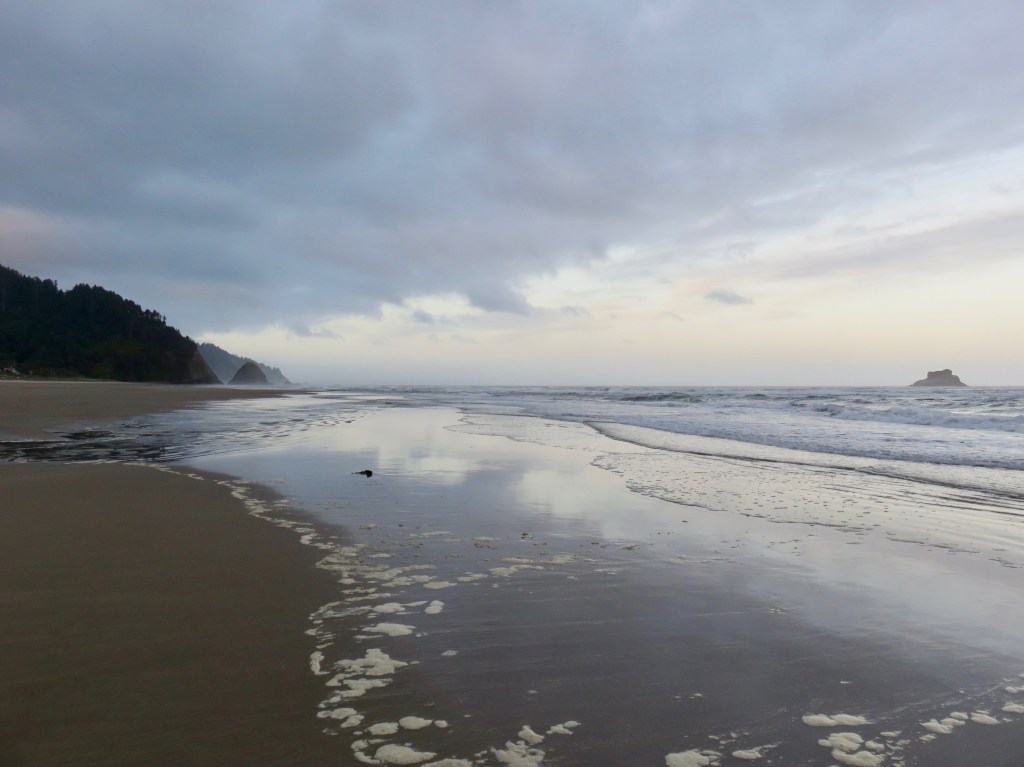
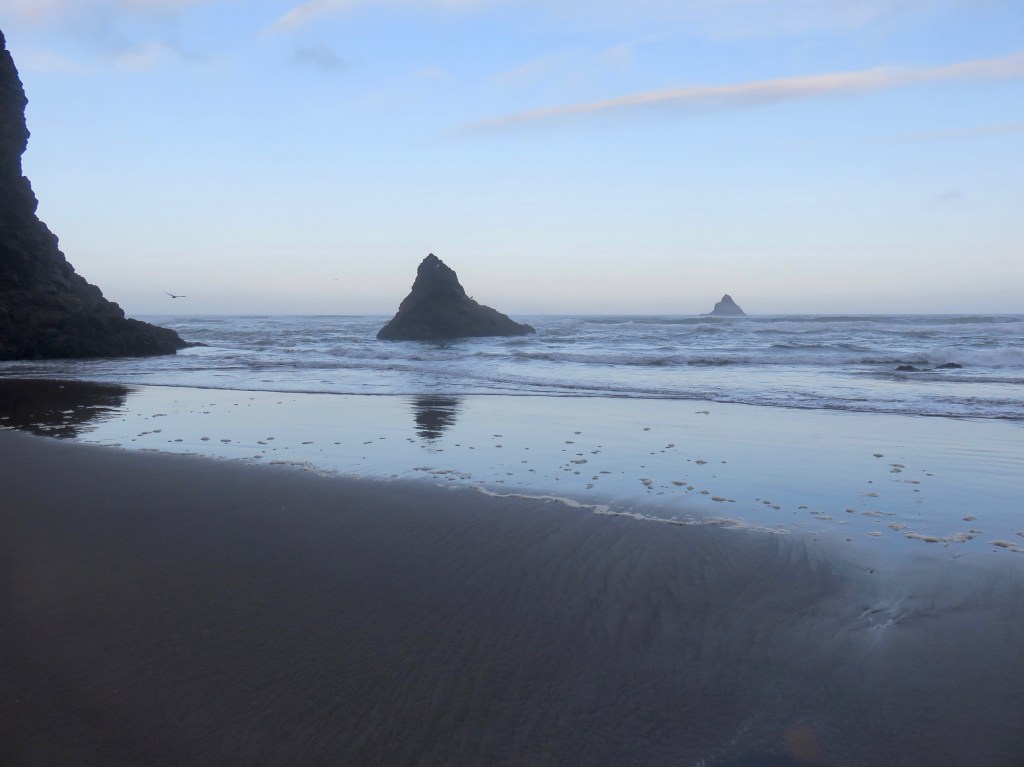
The blue hour is the time of day my husband and I walk out on the sand, unmasked, and alone. Before sunrise. Before the day begins its busy work.

The blue hour reveals sand newly swept by the sea.

The blue hour is the time of tiny shore birds rising and settling, rising and settling, search and searching.

The blue hour witnesses gulls eating crabs cast onshore.

The blue hour is given over to breaking waves and mere silence underneath.

The blue hour precedes the blind light climbing the coast range and casting brilliance out to sea and finally onto the sand.

The blue hour is cool and clear, damp and dim.

The blue hour.

The pure clean daylight makes an end.

Ah! I have learned how to change text color, single space multiple lines, and indent text—hoorah!

WORKAROUND

IMG_6828.jpg

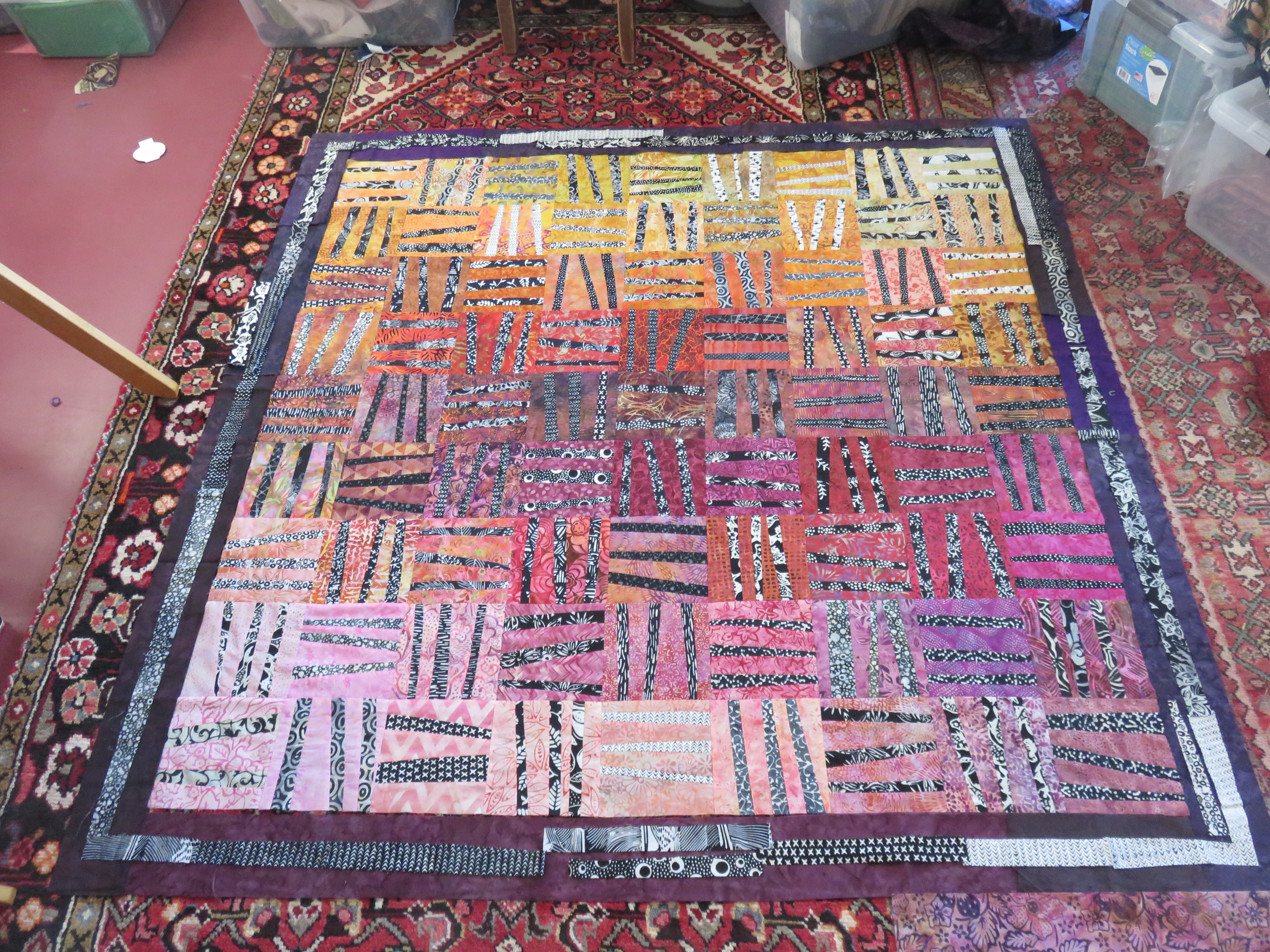
The center panel is composed of eighty-one different patterned squares, crossed by twenty or thirty different black and white cotton. The split frame is of several purples, and these each change from step to step. There is also a pieced border.

There is more to this post—I figured out a workaround.

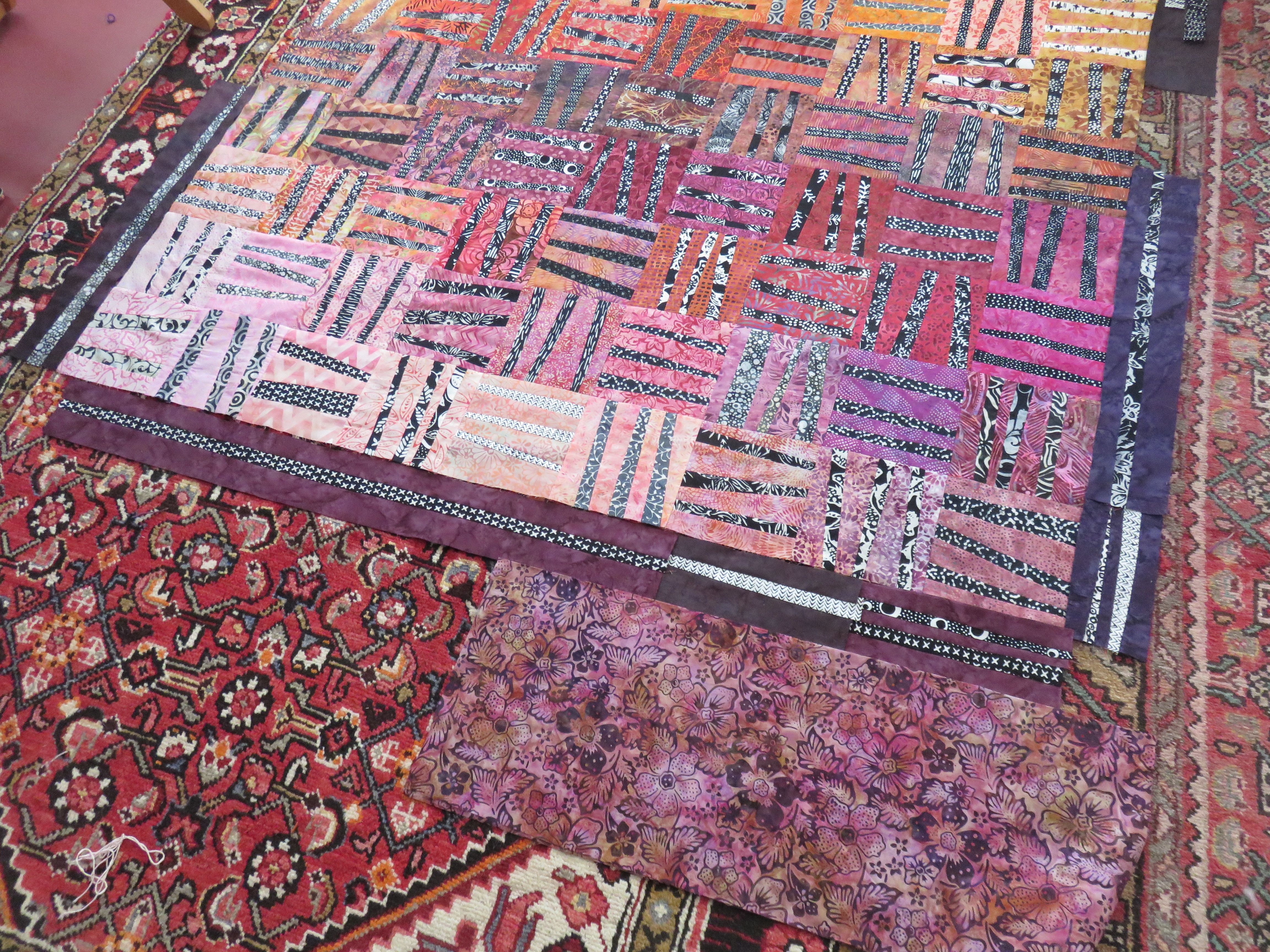
Above is the center panel with the border pieces, unsown and just separate pieces of fabric laid in place. Below is the border pieced without corners and not yet joined to the center—trust me, it evolved. It’s entirely sewn as of now, and today or tomorrow I hope to complete the border, trim the backing, and fold it all up so it’s ready for Linda Pinkstaff at Astoria Quilting to work her magic. We will carry them north in the next week or two. Perhaps by then I will know what I am doing next.

Yesterday I got stuck. We walked north to Arcadia Beach, two miles away. I made granola and peanut butter cookies that were mostly peanut butter, a riff on Maida Heater’s recipe. Gary liked them, and he’s always insisted he did not care for peanut butter cookies. I finished the dreadful novel I began earlier in the week, skimming the less savory parts.

What I did not do is work on this quilt, which now has a name: “Aurora Which Means Dawn.” That is a line from a Golden Book about Sleeping Beauty. So perhaps I should call this “Sleeping Beauty”? Except it’s not a sleepy piece but bright day. It is my fifth quilt during the past year. Can that be? I have not made that many quilts in a year before. Let me think. Why would that be?

Some people bath less often, some are drinking too much, some quarrel with or avoid their family, some have shifted their political priorities—perhaps a national healthcare system and stable income seem more reasonable necessities when the alternative is bumping into sick people who cannot afford to take better care of themselves?

Anyway, I’ve tried most of the above, and settled on rewatching favorite television series such as The Mentalist, Psych, and Monk while working with color. I must have a couple hundred skeins of Koigu wool, a fine, two-ply Canadian merino that is hand painted. I have hundreds (plural) of different batik fabrics gathered over the past twenty or thirty years. Some are were once lengths of a yard or two, but most were never more than a quarter yard, now reduced to scraps.

My work is not mere craft but neither is it great art. There is art in the design and craft in the making. There is pleasure in looking at the many patterns and rich colors.

IMG_6829

FLAMBOYANCE

gettyimages-1227919714_1.jpg

One adult shown among a flamboyance of gray flamingo youngsters who haven’t yet eaten enough pink shellfish to turn pink—wait a year and they will become more flamboyant.

Twenty-five thousand adult flamingo couples are summering in the salt marshes of southern France, the largest number since naturalists began counting them forty-five years ago. Over 60,000 flamingoes total—12,000 babies so far. They are harmless to man and beast, eating only krill, tiny saltwater organisms they filter through their beaks in a system not so different from what baleen whales use the filter small fish, krill, copepods, and zooplankton from the sea. The whale babies look just like their parents.

We appear like or unlike our parents, can be trusted or not trusted even by them to do what is expected. Most living things gather.

IMG_6688

The youngster on the left is still begging for food. The gull babies do that too.

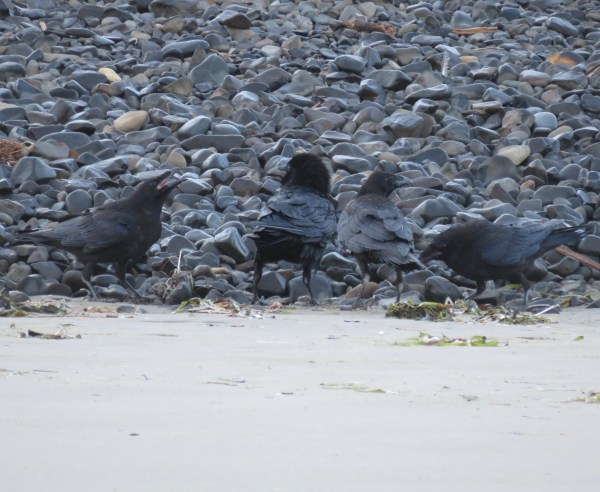
A group of ravens can be called many things. Here, the term “conspiracy” of ravens works for me. (I have never appreciated the term “unkindness of ravens”). The two raven youngsters look just like their parents—one has a fluffy head and is slightly bigger, but that might be one of the youngsters.


They are still hanging around together, though one of the adults sometimes wanders off on scouting missions.

Gary broke up a leftover waffle and some crumbs and put them out on the sand at the beginning of our walk the other day. The ravens stuck around long enough to say thank you.

fullsizeoutput_144f

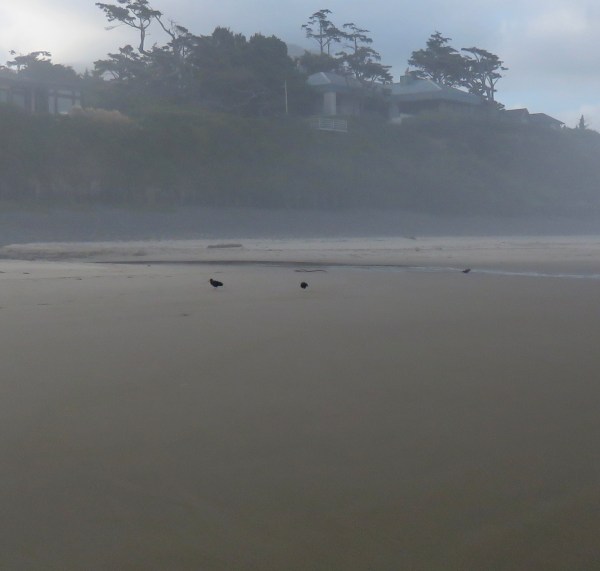
You’ll have to take my word for it that this photo shows three black oystercatchers.

We spotted the black oystercatcher youngster with its parents the other day at the north end of our beach. I did not zoom to catch which of the three was the child, but it didn’t really matter. I snapped the photo in the fog as we passed at a distance. We’re just grateful the baby is doing so well.

We are careful not to approach birds resting on the sand. If they are not flying, they likely want their rest, but it’s tricky for them with so many loose dogs. A photographer deliberately frightened dozen of birds off the sand just to get a photo of them flying.

That’s not as bad as the people trying to “rescue” baby seals (highly illegal and often fatal for the seal pup left onshore by its mother) or young eagles (disturbing any member of an “aerie of eagles” is also illegal and dangerous for the fool trying to “rescue” one). Or the man throwing a ball for his dogs into the surf in an outgoing tide. [This is why Gary does not like me to go with him when he gets the mail. He says I bark at people—I did bark at that man with the throwing stick. “They’re hunting dogs,” he said. “They trust you,” I responded. I saw a dog rolled right under waves, come out of the surf and absolutely refuse to go back in again. The dog was smarter than the owner.]

The wild things are right not to trust us, to focus a wary eye on our movements. We are not of their group, not trustworthy or predictable and kind. The wild rabbits (a nest) nibbling rose hips in our the front yard, the jays (a party) cruising through, the garter snakes (a bed), and gulls (a colony) and know to avoid us.

We try not to disturb the wildlife. When we must pass birds onshore, we walk steadily, avert our eyes, and direct ourselves away, away!

IMG_6801

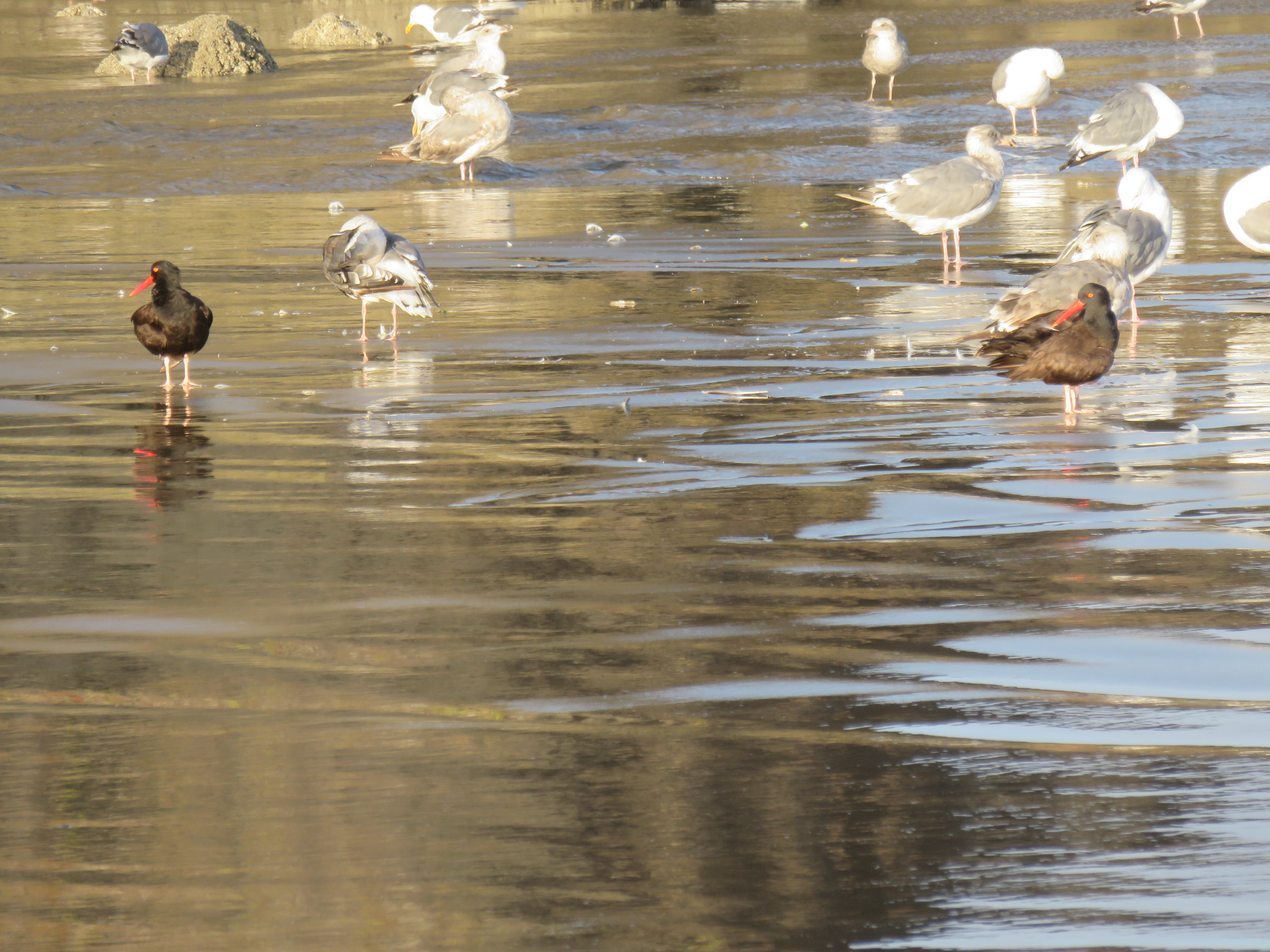
These two black oystercatchers are not the same pair. There is a  
“parcel” or “stew” of oystercatchers nesting south of us.

The featured image at top is from Wikipedia: “James’s Flamingos at Laguna Colorada in Bolivia”  “Young flamingos hatch with grayish-red plumage, but adults range from light pink to bright red due to aqueous bacteria and beta-carotene obtained from their food supply.”
The adolescent flamingos with one adult is a Getty image taken off the Smithsonian page

HIGH SCHOOL SWEETHEART

IMG_6782.jpeg

This quilt is a version of the one I made for our oldest granddaughter’s bed here at the beach. I am still rearranging as I work through piecing these center squares. (They have shifted from what is here—see top photo.) I hope to have all 81 squares joined by next week. Then I will add a pieced frame and a pieced border, washing the backing that came today in the mail, and folded quilt top and backing into a bag for Linda. Seven rows of nine pieced squares, just lying in place the way they were made. The last row was pieced yesterday, and after a last review in predawn to check the arrangement of values, today I will begin joining the squares to make the center panel.

My husband and I have a lot in common, things you can’t see, and a couple you can. We once lived a half mile apart, and we graduated from the same large suburban public high school, though we did not meet until before my senior year. Our DNA is largely Northern European. Gary has more African; I have more Native American. We both look White. At one time our hair was the same color. It’s the same color now.

We met through mutual friends, the Edmonds Unitarian Church, and rock music. Gary was born in Seattle but spent seven years of his childhood in Arizona. I was born in Corvallis, but lived briefly in Portland then Seattle. We would graduate, first Gary and then me, from the University of Washington with Honors and Phi Beta Kappa. We were overqualified for most of our jobs. We worked hard. We shared a commitment to doing the best we could. We shared values. We shared a commitment to our marriage.

But our backgrounds are different.

Gary’s parents met during the war in Arizona, both of them in the military, and they married in Roswell, New Mexico. Gary doesn’t know if it was in a registry office, a roadside chapel, or a church. My parents met in college at the UC Berkeley after the war and were married in a Unitarian Church in Berkeley, California.

My family had me and my brother, and debating was dinner table entertainment. Money was often tight, but Mom took art classes, and my dad worked for the Bureau of Commercial Fisheries as a research librarian.

Gary’s family had six children, they argued out loud. His mother never learned to drive, and his father scrambled to provide for his large family as a carpenter.

My dad had been married before he met my mother, but he and his parents as well as my mother’s parents were divorced. Most of that generation remarried in my family. My paternal grandmother, who raised my dad, never did remarry. My dad was raised in a household of women: grandmother, mother, and aunt. His aunt taught business courses in the LA school system.

Gary’s maternal grandfather had many children (fourteen? seventeen? I always forget), two wives or maybe three in Oklahoma, and worked his whole life as a sharecropper and day laborer. When his first wife died, he gave his children away on a street corner. His paternal grandfather was a contractor who immigrated from Finland, married a widow, and died coming home from a tavern.

My dad was Army in France and Germany, Gary’s dad was Air Force stateside. They both began smoking Camels in the military. Both died of lung cancer. My dad the week before Christmas, Gary’s dad on Mother’s Day. Our mothers did not remarry.

One of our struggles as a young couple was about “discussion” because his family yelled, mine debated. Each of us found the other’s yelling/debating distressing and argumentative. We shared concern with ethics, liberal politics, appreciation of art and music and theater and cultures around the world. We shared a determination to stay together. Both of us worried, but about different things. We “took turns” being sad. [“You can’t be depressed, it’s my turn to be depressed.”] Like any couple, we had our disagreements and misunderstandings. I think, together, we made a good couple. We balance and support and love one another.

My mother actively disliked her in-laws. And that was too bad. We spent all our holidays with Mom’s family in Portland, which was wonderful. Gary’s father’s family never thought his mother was good enough—truly unfair. Once he died, most of the family cut off all contact. Still, his is an enormous family and Gary feels close to siblings, nephews, nieces, and a cousin.

Gary’s family was kind to me. I was a little out there, but they were good to me and I love them.

We thought for a time that we would not have children at all. It was not part of our plan when we married. But then, like a decision to marry, one day it felt right. We talked and made a series of decision about moving back to Oregon and having children. Two children. We love them both and their families. We are proud of our sons.

My parents didn’t like Gary much early on. Fifty or so years ago, my father said he didn’t think Gary was “tough enough.”  [I can picture him saying that, a cigarette in his bruised arthritic fingers, and how I thought wtf? at the time.] But it was Gary who stuck it out with me, who was the stable member of his family, who took care of the home front when my dad was dying. It was Gary who made my mother coffee and cleaned her kitchen and stopped by the house three times a day for years, caring for her like a son while her own son was away. In the end, Mom appreciated him. After she died I went through her papers and found written notes to change her will, favoring Gary in the months before she died.

I favor him myself. He is a good man, a good father, and has made me a better person. We will have been married for 46 years a couple of weeks from now. We were together as a couple for five years before that. I just heard from a former student who seems to married her high school sweetheart this spring. It’s rare that such relationships last. Sometimes they do. Our first date was in August too, in 1969. Lucky. Lucky. Lucky.
fullsizeoutput_1443

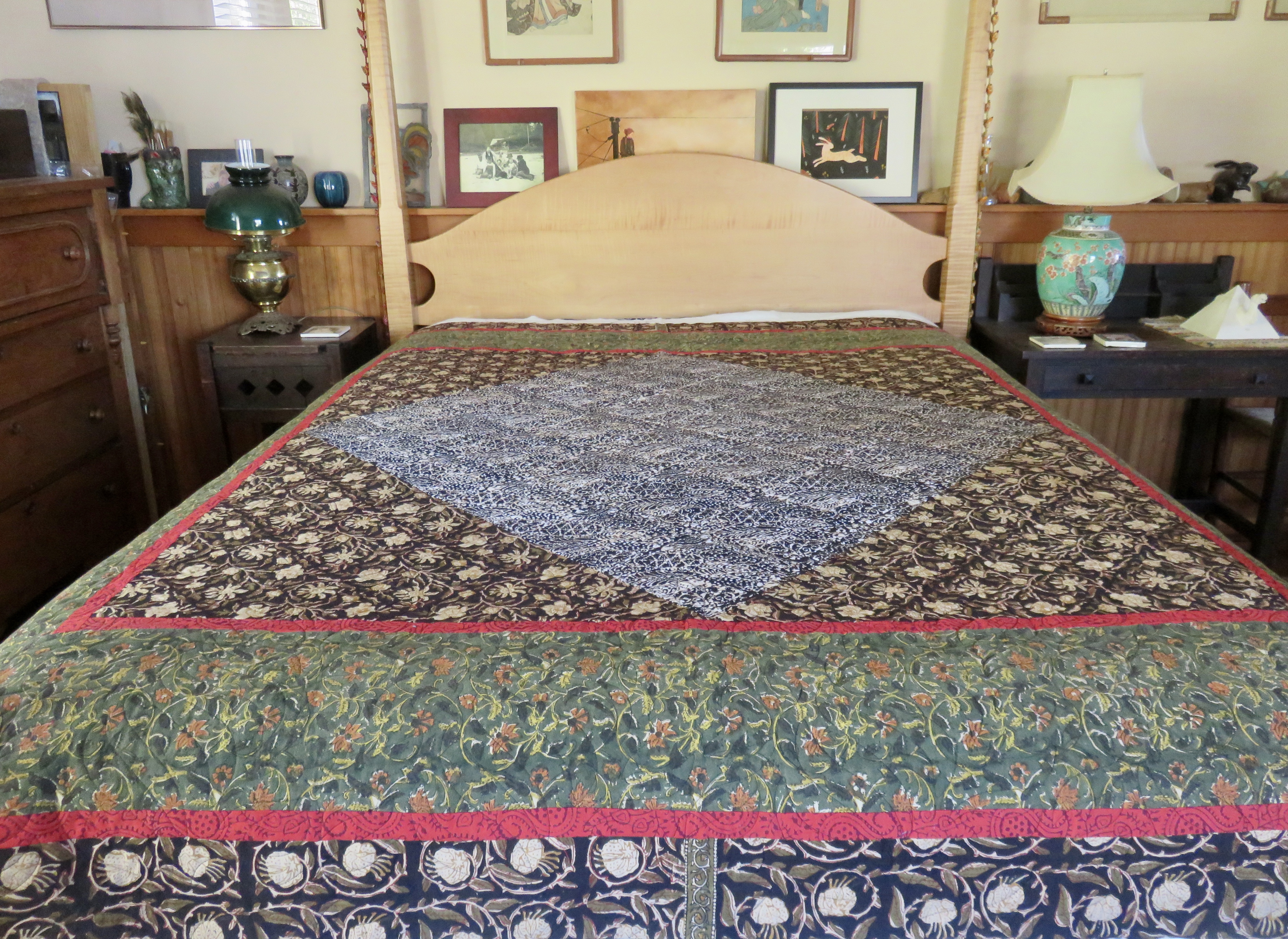
Once I had the eighty-one squares pieced, I opened the package with the quilt I picked up from Linda Pinkstaff last week. It is hand block-printed vintage Indian cottons from Cargo. This is the top, with the center diamond a true batik. I still have to bind it.
IMG_6792

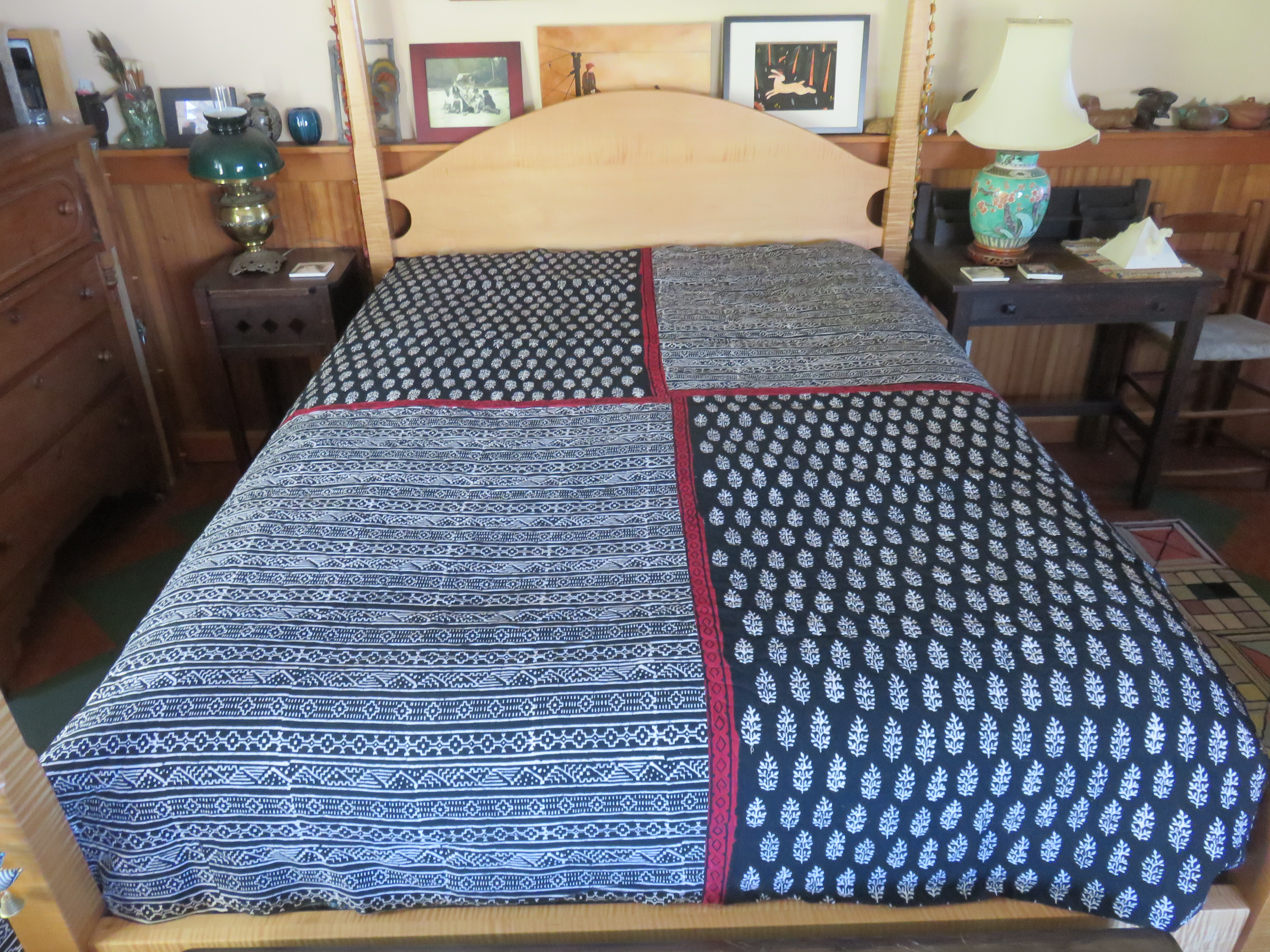
The back is black and white a red, a completely different set of block-printed cottons. There was only red on one selvage, so I cut and pieced the back to take advantage of that. It is a special piece and Linda was right about the quilting pattern. [84″ square]


BEAUTY TOO

fullsizeoutput_139e

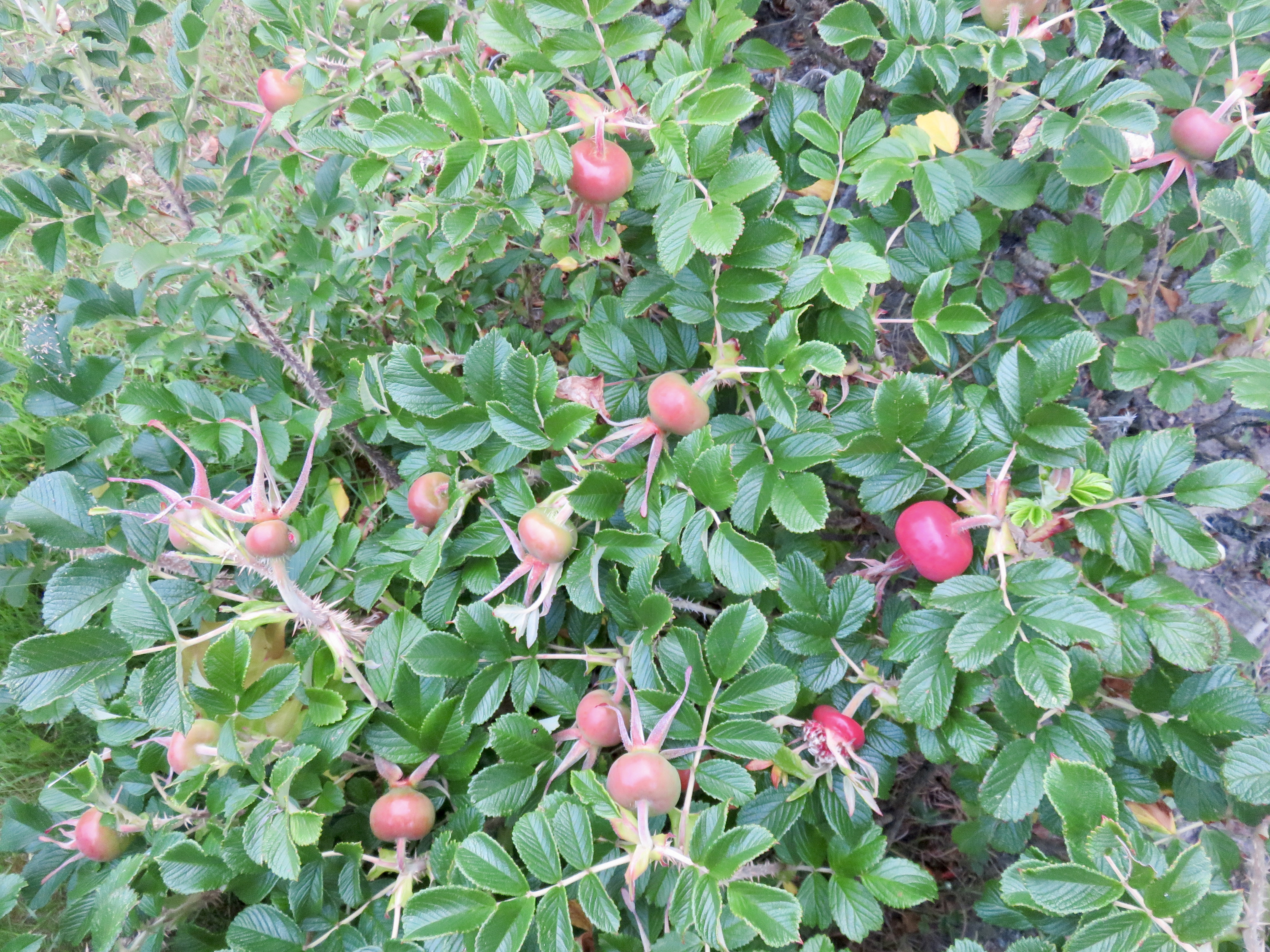
This single-flowing pink rugosa rose has an intoxicating fragrance and set huge apple-red hips. I let the hips set each year hoping to make jelly, but the chipmunk gets them every time.

Two months ago I wrote here about beauty and about the storks nesting in England for the first time in a hundred years. It seems a long time ago.

fullsizeoutput_139b

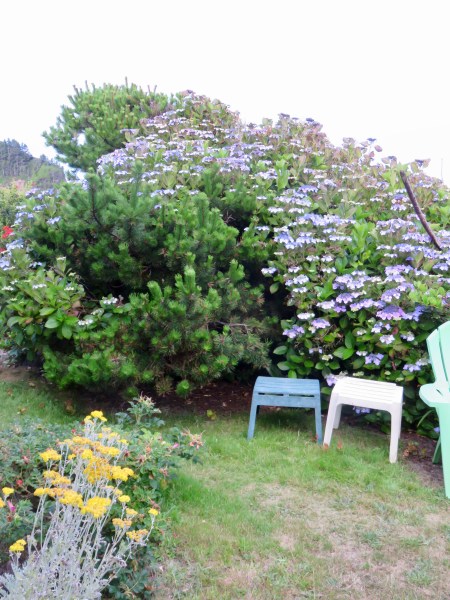
This lacecap hydrangea grows under, around, through, and over the windswept pine in our front yard.

Yesterday, for the first time in over four months, I ate a meal I had not myself cooked. It was a risk and we will not likely do it again any time soon. Most of our favorite places to buy food are closed (Ove NW and Pearl Bakery) or they have demonstrated a certain level of complacence or carelessness. And I am a decent cook and baker myself. Yes, I can bake a cherry pie starting with a hallock of sour cherries if I could get to the Farmers Market to buy them. I was baking sourdough before the pandemic. Usually by this time in the summer I have frozen pesto and huckleberries and the makings of pies. Instead my freezer looks barren. Continue reading

MASK

fullsizeoutput_1299

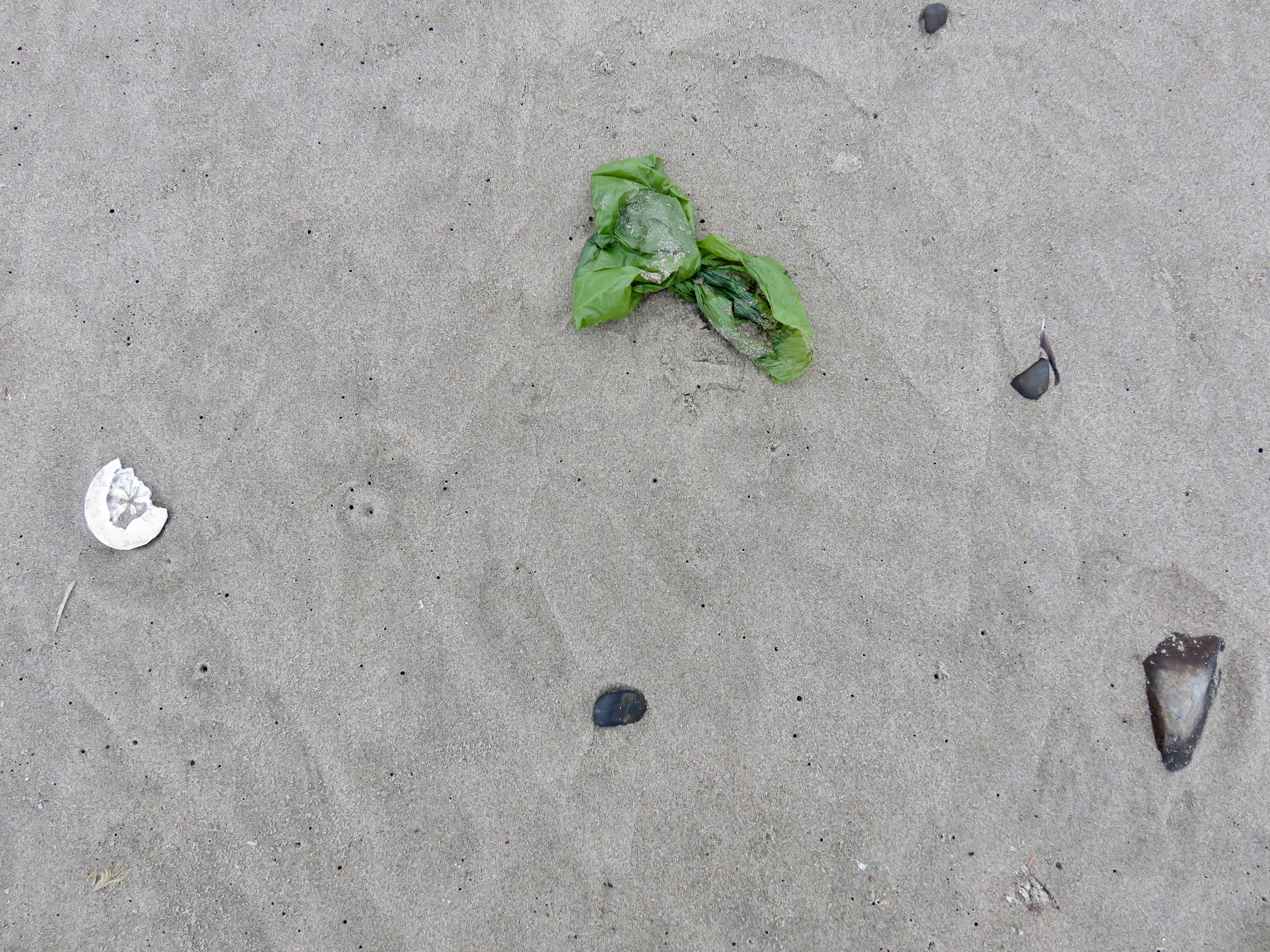
There are always left-behind poop bags on the shore. And while I am here, there is a lot of recent talk about the toilet plume. Consider that anything you can smell is the result of molecules of rose petals or vomit or yeast or alcohol or whatever inside your nose. That’s the only way you can smell it—it’s inside your nose.

All persons in my county must be masked when visiting any indoor public space, beginning 1 July 2020. The county itself requested this. As a friend said to me on the phone: we’re a tourist economy and people come here from everywhere. We need some protection.

from NPR “Masks And The Outdoor Exerciser: Advice For Runners, Bikers, Walkers, Hikers”:

When outdoors: “experts I spoke to all said wearing a mask is a good thing. Now you probably don’t think you have the coronavirus if you feel good enough to exercise. But some people are asymptomatic – they never show symptoms – or presymptomatic – sick but not yet feeling it. Continue reading