“I think deep down inside children are all the same,” she said. “They want two loving parents and they would prefer a house with a neighborhood they can play in. They want teachers that they can like. I don’t think children have changed that much. It’s the world that has changed.”
—Beverly Cleary
Beverly Cleary just died at 104. She wrote the Ramona books.
Long ago now, I gave my college writing students the assignment to write their own obituary at age one hundred. I gave them the standard format and a few days. We shared them in class. One girl changed her age at her imaginary death to a couple decades earlier because living to one hundred “isn’t realistic.”
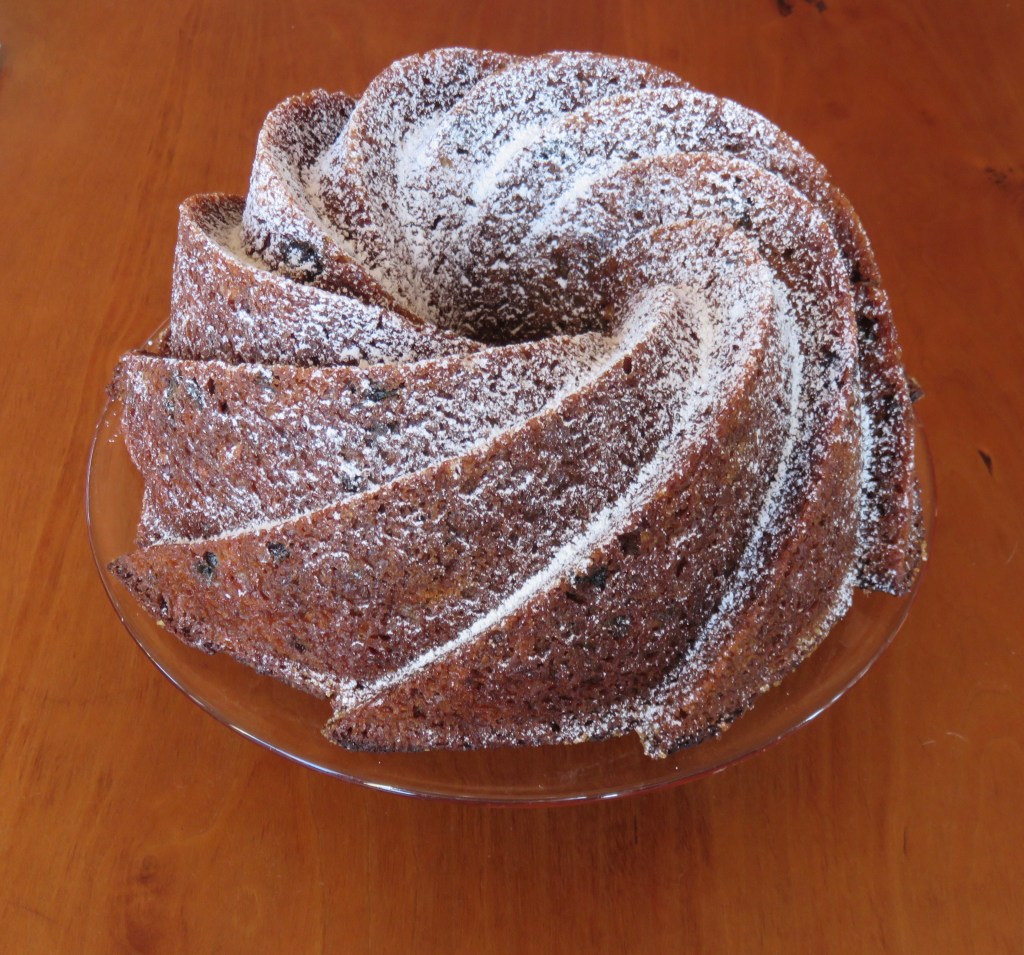
I don’t expect to live to be 104, but dying at seventy seemed too soon to me even then. It doesn’t seem realistic to me at all now. I will be 69 this fall and I expect to be around for quite a while. Our walk was nearly three hours this morning and I came home and baked a cake. When my maternal grandmother was my age, she could not climb stairs or walk unaided to the bathroom. When my mother was my age, she was all over the place driving, but had trouble on her feet.
Death comes for everyone, and I have written my share of obituaries. I am the oldest member of my family, other than Gary. Not even an older cousin. At the time I gave that assignment, no one had died recently, but I was feeling my mortality for some reason, perhaps because Mom was ill. I always wrote the assignments I gave my students but could not tell you now what I wrote. Did I project a future as a novelist? Did I assume I would have three grandchildren? Was I afraid Gary would predecease me? What life events did I include? I cannot recall. My fictional one-hundred-year obit is probably saved someplace on my laptop using software I can no longer open, like some of my stories. I click on the title to find what the story was about, and my computer asks me to chose an application to open it, but there isn’t one. Ultimately, if the story had been important I’d have looked at it in the past ten years. Right? Time to let it go or maybe reuse the title.
We let go of things. We must let go because we want to hold onto what’s important. Beverly Cleary credited her excellent memory of childhood for her success as a children’s book author. She said not all adults recall their childhood, but she remembered what it was like and how it felt and what she yearned for. And she listened when children told her the stories they wanted to read. They didn’t want just books about British orphans or pioneer families. They wanted to find themselves on the page. Eventually they might outgrow that. I wanted to find girls with horses, but mostly I found boys having all the fun. Even Marguerite Henry gave Misty of Chincoteague to a boy and sent his pony-loving sister into the house to help her mother.
Why didn’t Marguerite Henry remember how much she’d wanted horses as a girl? Why hadn’t she given me the story I most wanted to read?
As an adult, I seek out the “other” on the page. Just now I am reading a collection of fine stories. Her situations are unique, her characters and their struggles are entirely believable. Sometimes there is an element of the fantastic, which does not in any way weaken their authenticity.
But I am not loving these stories, which are all about people ruining their lives in small and completely avoidable ways. Most people ruin their lives, bruise their futures, harm their children. Sometimes they do better as they age, becoming far better grandparents, for example, than they were parents. But we all make mistakes in our lives. I guess my complaint is that while these stories I am reading feel true, they don’t tell me anything I don’t already know.
I was never one for grand heroic adventure stories. I am filled with admiration for people who live such lives, but like Beverly Clearly, I want to find myself on the page sometimes. We are not all living lives of quiet desperation. We also take courageous risks sometimes in our small lives, sacrifice for someone else, have luck in our marriage partner or job, dance in the street, howl at the moon, and laugh so hard we wet our pants.
It should be possible to find stories about how people survive their mistakes, how they rise above them, how they repair the damage, how they get along and sometimes enjoy the ride. And especially now, perhaps, I want to find sadness balanced by hope. And maybe a little silliness thrown in for fun.
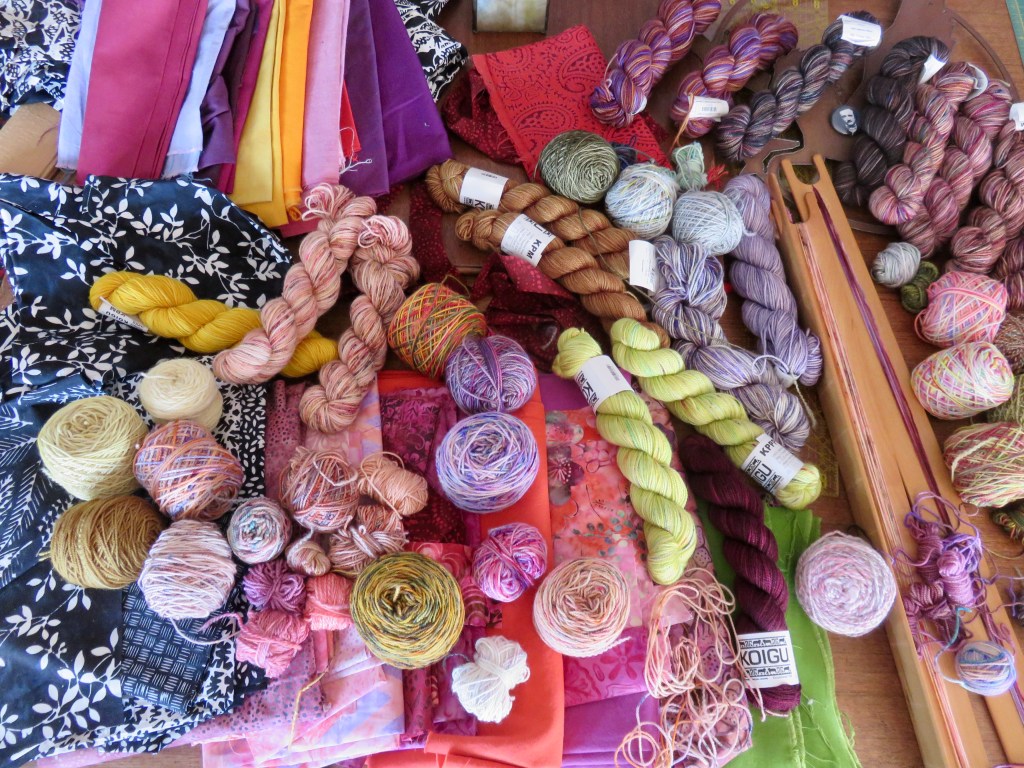
For a complete change of subject, I started watching Firefly Lane on Netflix. It is apparently set in Seattle, where I spent much of my childhood. The first time I saw fireflies was on a trip with Genevieve to a sheep farm in Peabody, Kansas. We learned to spin wool on spindles, a walking wheel, and spinning wheels. We sampled dozens of fleeces from dozens of breeds of sheep. I walked through town. It was humid and warm, even in the dark. There were fireflies.
There are no fireflies in Seattle. None. Never have been.
•
•
•
 IMPERFECT PATIENCE
great cake—can I have more, please?
LikeLiked by 2 people
Tomorrow.
LikeLike
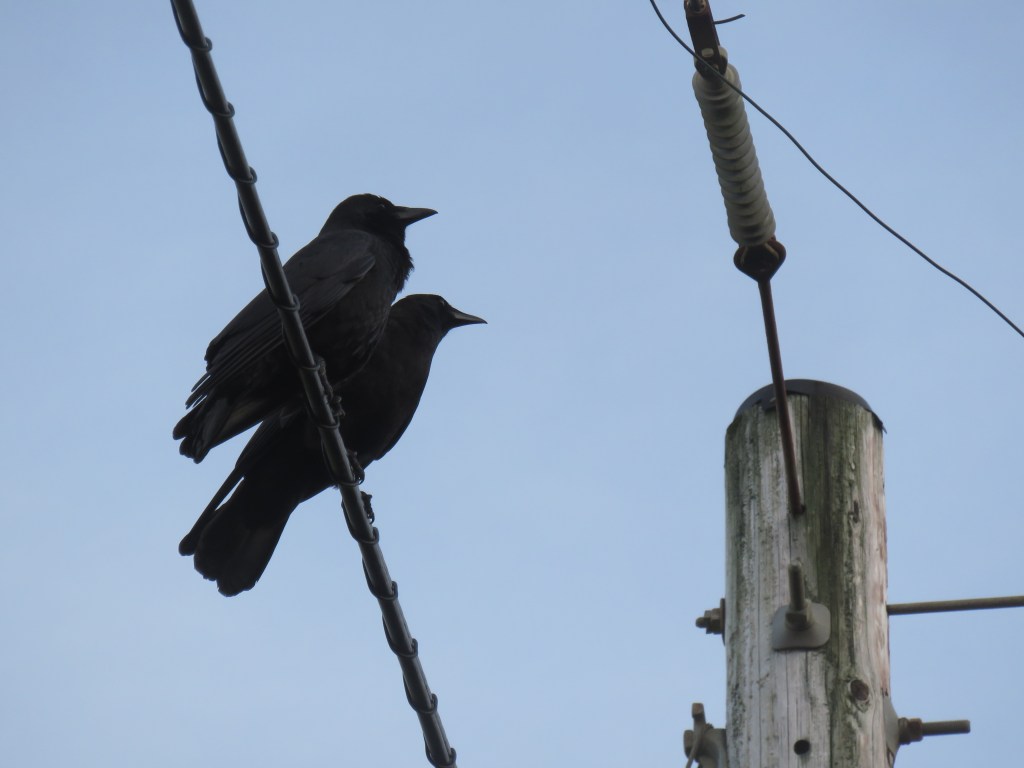
Fireflies are on my list of wonders to see in this world. Another is a moon bow. I wonder if that pair of crows are the same ones that feast on raw peanuts in the shell that Dale gives out each morning.
LikeLiked by 1 person
There was a whippoorwill that said it’s name and the fireflies—two unanticipated wonders from that stay in Kansas.
I love the idea that the crows might know Dale.
LikeLike
No fireflies in Seattle. I saw my first fireflies on a visit to relatives in Pennsylvania! It’s a good memory.
LikeLiked by 1 person
Like magic!
LikeLike
Fireflies! I remember the first time I saw fireflies was in Maine, small awesome orbs of magical light rising from the ground. I wondered why there were none on the West Coast and it seems that though fireflies exist all over the world, they don’t like living in North America west of about 100 degrees West longitude. Apparently not much is known even about what they eat. Pleasing in a way to know that they keep their mystery.
Your post makes me want to read Beverly Cleary again. I didn’t know she was still going until 104–another mysterious dimension of existence–the far reaches of elder life . . . one we don’t pay much attention to until we start to be carried to that shore . . .
LikeLiked by 1 person
Thank you for this! I had tried to look them up in Wikipedia while writing my post and was frustrated by how little I learned.
LikeLiked by 1 person
A beautiful, thought-provoking piece, Jan. I loved Beverly Cleary as a child. And oh – fireflies!! As a lifelong East Coaster, I never knew there are no fireflies on the West Coast. My childhood memories are aglow with the fireflies that flew in my Virginia Beach backyard on summer nights. And if you ever get a chance to see synchronous fireflies – seen in only a few places in the US – I recommend it. Swarms of males light up at the same time. A mating ritual, of course!
LikeLiked by 1 person
I was walking on a sidewalk in Peabody, and every corner was stamped with the year it was poured. And then there in the dusk were fireflies! It was amazing. I’ve only seen them once, nearly 50 years ago—still vivid in my mind.
LikeLike
Been having trouble finding books lately. The Venn diagram of interesting vs. comfort reading is not in my favor.
LikeLike