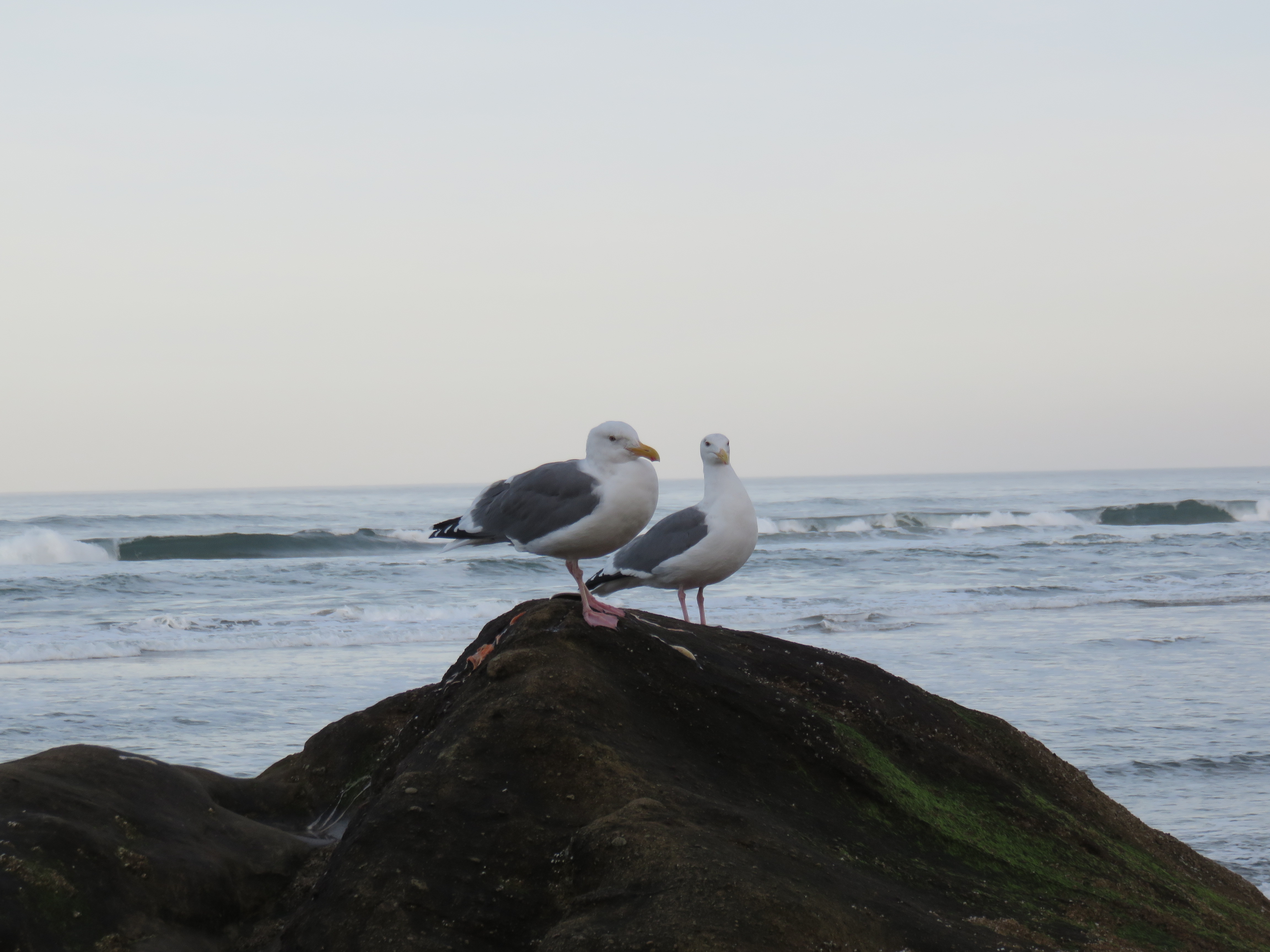
We wish everyone a happy Thanksgiving. Alone or with friends or family. With or without turkey. With or without.
There is always something missing. In childhood that was whatever the parents were allowed to do that we, at seven and four, believed we were missing. As adults there is the glossy image in magazines and television of what holidays look like. They never looked that way for us. Disagreements and tension, jealousy and resentment. There are the missed opportunities and missed events. Mostly we miss people.
We hope to see most of our family today, but not one of our siblings. Most live far away. One has already died. One does not speak to me. I imagine some people assume that last is my fault. Sometimes I have too. But mostly I am over the rejected overtures and that particular guilt. I am thankful for that. I am thankful.
“When psychologists study siblings, they usually study children, emphasizing sibling rivalry and the fact that brothers and sisters refine their social maneuvering skills on one another. The adult sibling relationship has only sporadically been the subject of attention. Yet we’re tethered to our brothers and sisters as adults far longer than we are as children; our sibling relationships, in fact, are the longest-lasting family ties we have. . . .
“In one Swedish study, satisfaction with sibling contact in one’s 80s was closely correlated with health and positive mood — more so than was satisfaction with friendships or relationships with adult children. And loneliness was eased for older people in a supportive relationship with their siblings, no matter whether they gave or got support.
“That’s why it’s so sad when things between siblings fall apart. This often happens when aging parents need care or die — old feelings of rivalry, jealousy and grief erupt all over again, masked as petty fights ostensibly over who takes Mom to the doctor or who calls the nursing home about Dad.
“Many families get through parents’ illnesses just fine, establishing networks where the workload is divided pretty much equally. Paul and I did fine, too, throughout our mother’s progressive frailty and forgetfulness, and we also had no problem splitting the chores that arose in the aftermath of her death. But about 40% of the time, according to one study, there is a single primary caregiver who feels like she (and it’s almost always a she) is not getting any help from her brothers and sisters, which can lead to serious conflict.
“And because of the particular intensity of sibling relationships, such conflict cuts to the bone. People grieve for the frayed ties to their siblings as though they’ve lost a piece of themselves.”—“Here’s to Grown-Up Siblings and the Ties that Bind” by Robin Marantz Henig on NPR. [Well worth a read.]
That has been the other loss I grieve on top of parents, profession, and pets.
I am thankful for my husband, our children and grandchildren and their other families, for the memories of forty years of teaching, for art and the ocean, for still being able to walk miles, for my step-grandmother who left me this house, for books and so many decent citizens and those committed to justice and kindness. Thankful for the hard work of others who care about more than themselves.
And I am grateful that the water in the bird bath is not frozen this morning, and that in a couple of hours we may be safely on our way to see people we love.
Thankful.



 IMPERFECT PATIENCE