WHAT I KNOW

The storms come, no stopping them. They also pass.

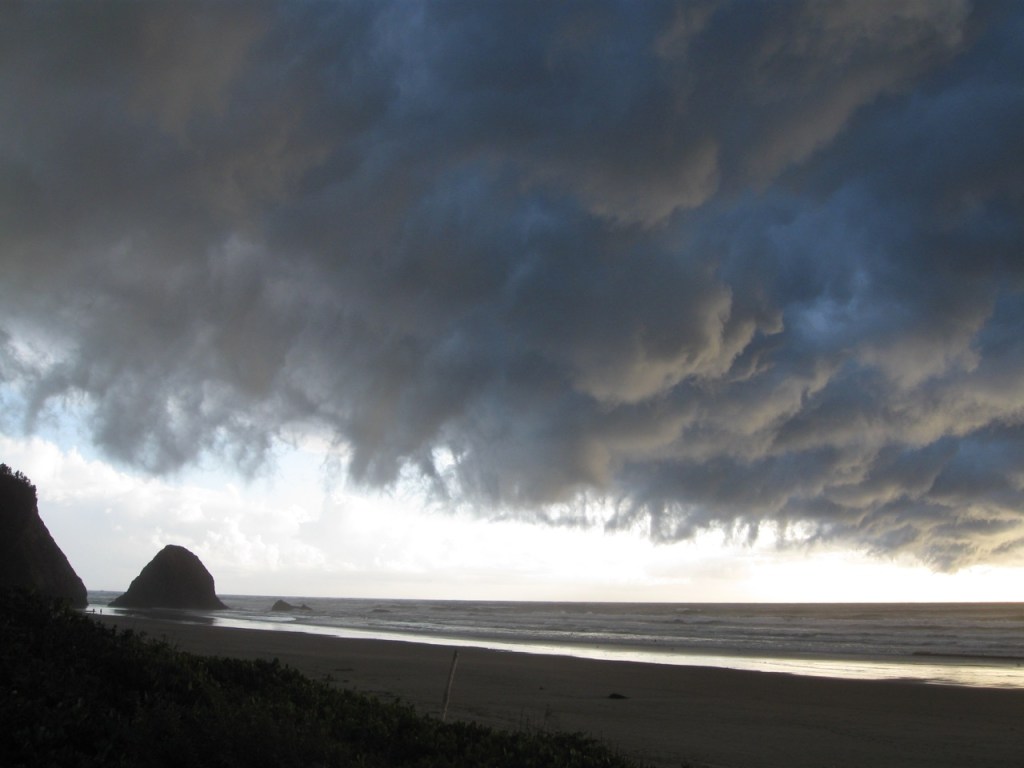
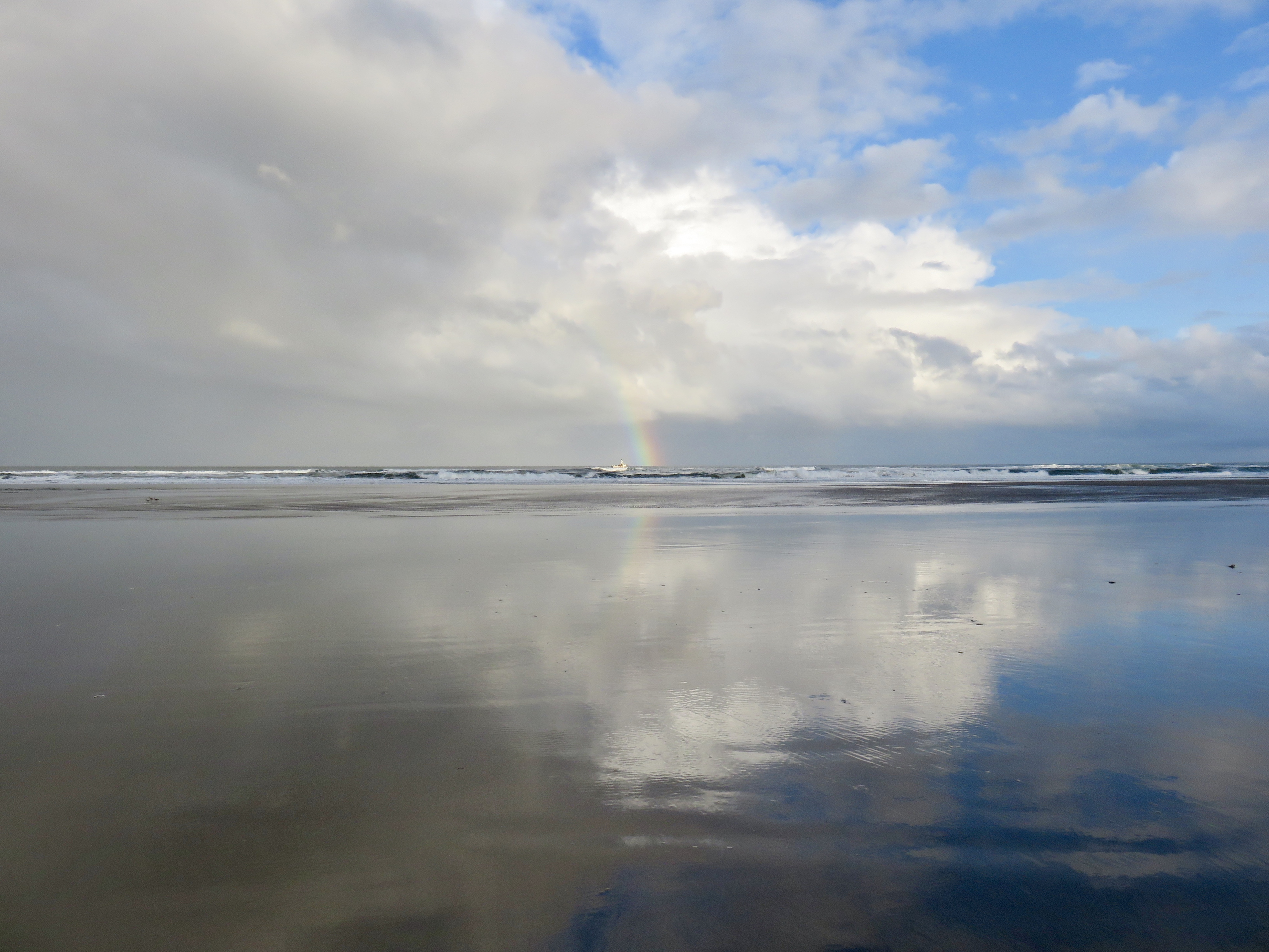
The wind had been blowing since midnight, and the rain coming hard not down but sideways, off and on. Mostly on. I could see the ocean waves blowing back over themselves and sea and sky are both soft grays with a hint of green in the surf. Two and a half hours till high tide, but all the sand wet from the rain, and we did not get our morning walk. We got out the door for our three miles and had to turn straight back. We don’t mind a light shower, but this was a serious weather front. Storminess predicted to last without a break until Friday, which is not at all unusual for November. I used to count on a solid week of rain in this month—all day and all night without a break. But recently all bets are off. (The days in January of warm east winds and a burst of termites and carpenter ants drowned in the surf has not been predictable for years.) We average about 90” of rain a year—sometimes a mist or drizzle, in a storm sideways like a firehose, not usually coming “down,” and a hundred and fifty inches of rainfall isn’t unheard of. People new to the area are unprepared, friends naively suggest rain gear to walk the sand. Weather reporters in NW cities are alarmed by 45 mph gusts; we are accustomed to 65 mph. There is no rain gear that will keep you dry and safe in a full gale. Stay indoors!

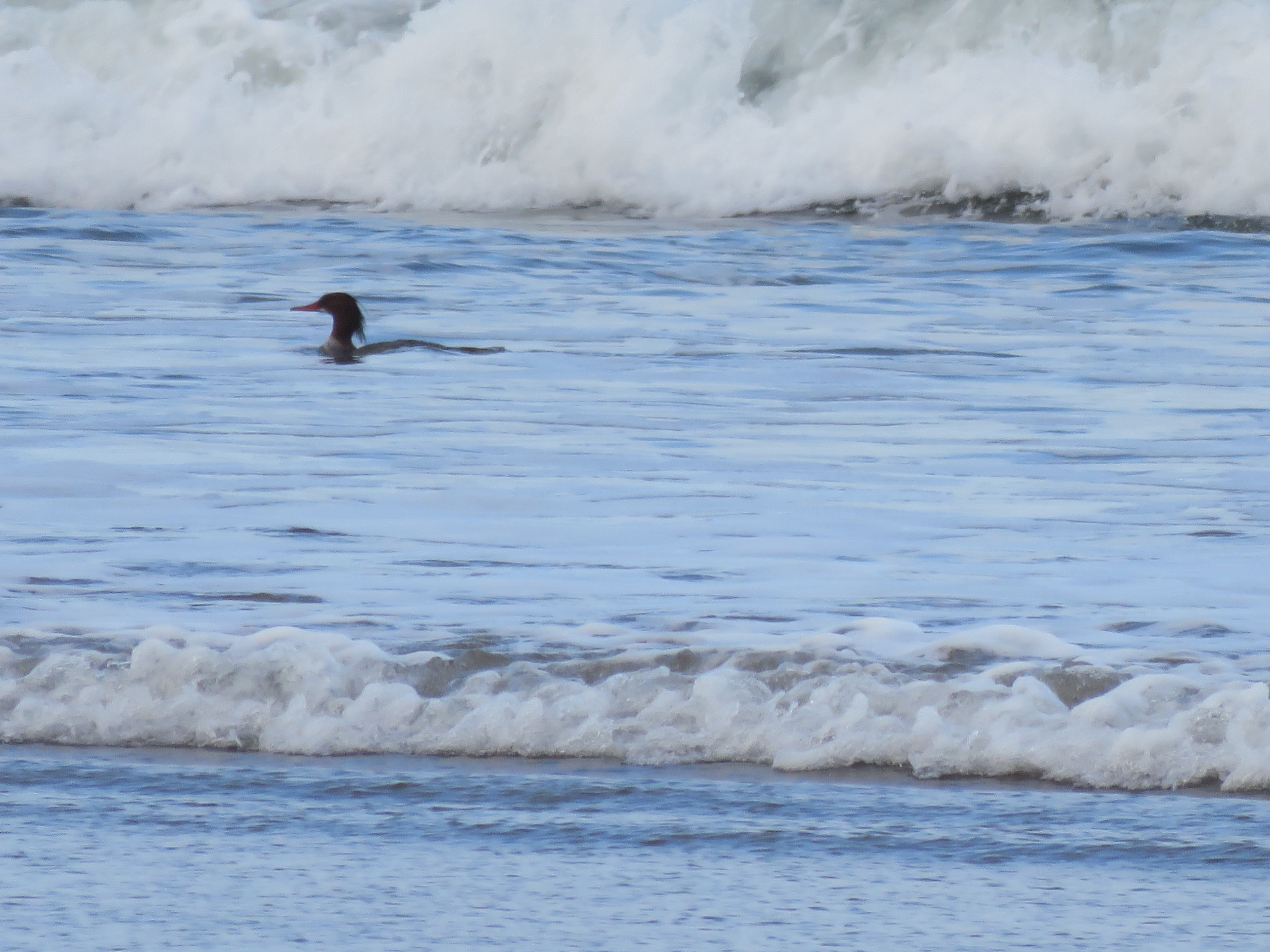
Despite the foam, the ocean looks more tame in this photo compared to earlier in the week. The surf grew and after the rain splattered the glass, an updated photo was impossible.
Continue reading

SUBMIT

I submitted my “Butterfly Fontanelle” novella to a literary press a couple of days ago. It has remained untouched since January. I had hopes for it when I began four years ago, but then lost faith. Today I reread the beginning of a letter responding to that novella. One of my favorite writers wrote: “I really do love this story! The imagery throughout is gorgeous, and your conception of the Daughters, every detail of their lives, their behavior and appearance, their singing—all of it—feels startlingly original. Amazing, really.” That’s right at the beginning of her comments, and I cannot say how startling it was to read that, to find such words of praise. I knew if I continued to read the letter, I would find her suggestions and questions. I did revise in response, and revise yet again in a further draft. And again. I even tried changing the title. I submitted. Rejection without comment. There is no knowing if I improved the piece and evidence I didn’t, but I think it’s better even if I failed to take it where it needed to go. I did try.

Anyway, I sent it off, my first submission in ten months. I hadn’t intended to submit anywhere ever again. I posted that notice on my publications page and have only been writing here, in my blog, and a few scraps of poetry, or what might become poetry if I had stuck to the page. I haven’t. [“Seat in chair.”]

A lot has happened.

This is one of my favorite photographs I’ve ever taken. In recent years I have used photographs for my winter cards and had them professionally printed, but for a couple of decades before that I designed, drew, and made cards, cutting linoleum blocks or illustrating family dreams for the New Year in pen and ink. Mimi wrote that some of those old cards are part of Janice Gould’s library collection. It fair took my breath. I had only just noticed that of all the art hung in our new condo, there was nothing from me. This year, perhaps I will return to that old custom. Gary thinks so.
Continue reading

IMAGINING THE FUTURE

Today on Brevity‘s blog, Lindsey DeLoach Jones illustrates “The Lost Art of Pretending: Imagining a Positive American Future” with her daughters’ play. Only by imagining what is possible, can we work toward a positive goal. Her idea of pretending focuses on our need for a “robust moral imagination.”

“We need a collective imagination like the one Martin Luther King shared at the Lincoln Memorial in 1963. King insisted, “Let us not wallow in the valley of despair… Even though we face the difficulties of today and tomorrow, I still have a dream.” At his core, Dr. King was a writer. His dream speech was wishful thinking, yes, but it was backed by action, protest, force of will. One man’s private imagination had untold constructive consequences in the real world. We seem to think we have outgrown this kind of thinking, that hope is for suckers. But to abandon the project of pretending is to abandon any hope for improvement.”

Lindsey DeLoach Jones

BEAUTY

fullsizeoutput_1224

The students in the high school where I taught are taking classes remotely. It seems like most people are doing things remotely these days, attending poetry readings, visiting with family, working. Some businesses have already announced permanent changes. They are closing, or intend to allow employees to continue working at a distance if they prefer. After confessing I had purchased a work of art I really cannot afford, I almost made my first sale accidentally and remotely just the other day. That was heartening.

Accepting that beauty matters is an act of faith and hope. The expectation that a moment’s grace, a moment of noticing, a few seconds of admiration and appreciation are worth something. Maybe they are worth nearly everything. Continue reading

TWO EAGLES

fullsizeoutput_1219

There are eagles in the sky most days. All that beauty in the air.

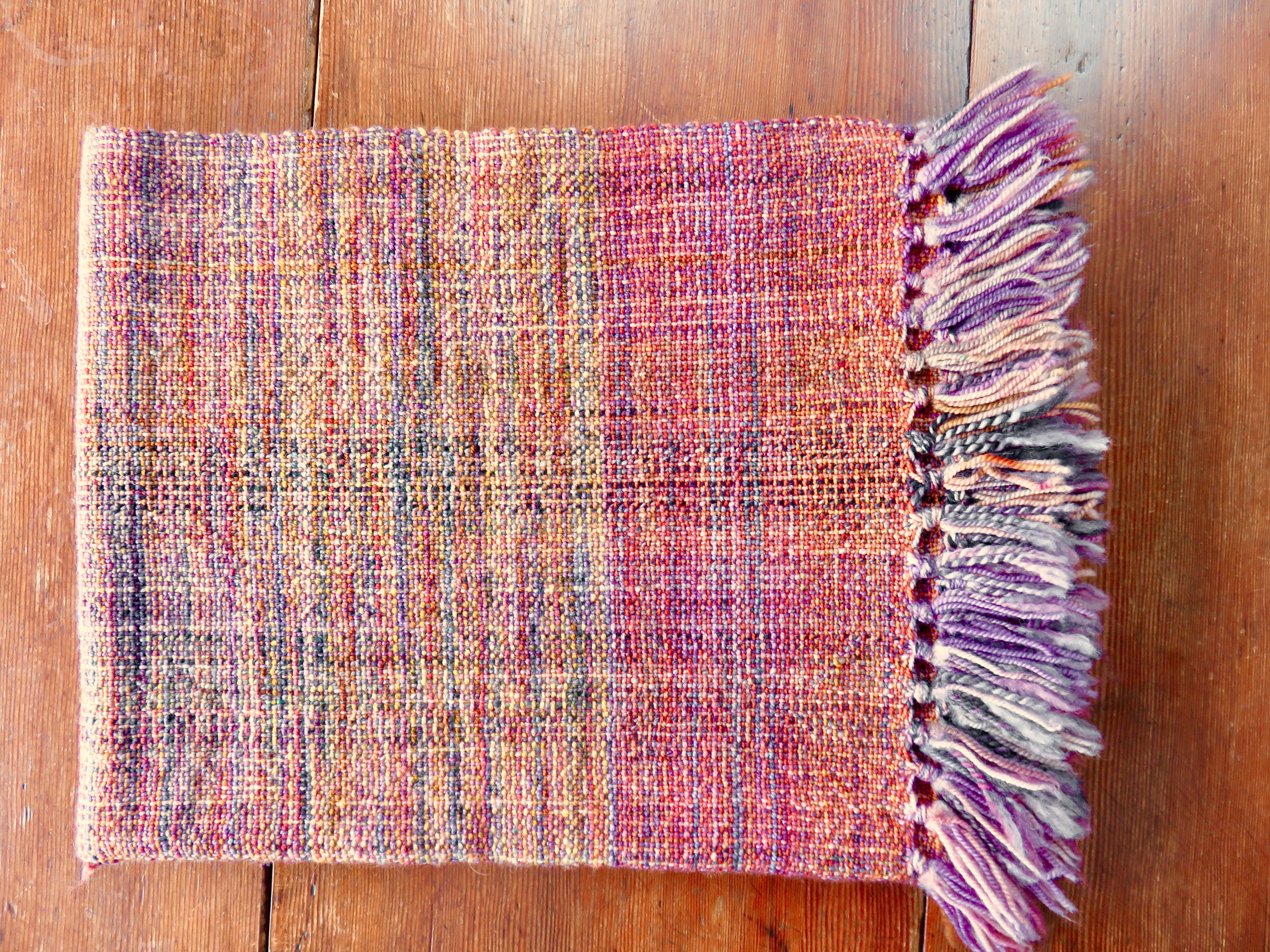
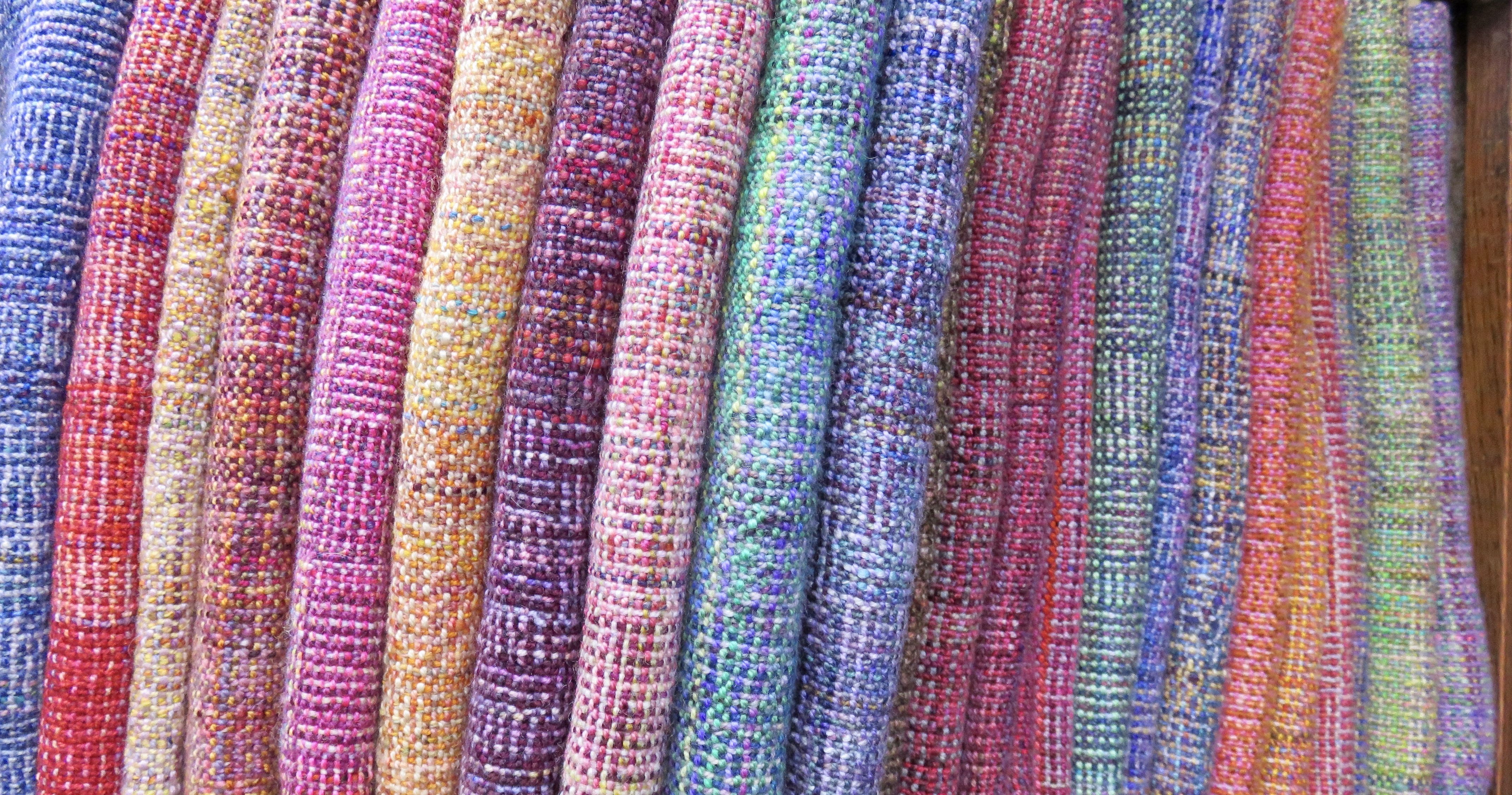
I pulled out my weaving: merino baby blankets, shawls, and lap-robes out of the tansu chest and stacked them up in a chair. Twenty-three—I turned the photo sideways so they would fit my screen. More than half these soft things have been woven since we began our personal lockdown on 10 March. I have a new warp on the loom now and I began weaving the second shawl yesterday just before 8pm. I mean to stop at 4, and then I go back and work some more, and then I think 7pm is a long day when I’ve been awake since before dawn. But I wanted to see how the hands-spun I have been hoarding for a few years would work on this warp, and it’s lovely, subtle and tweedy. There will be twenty-six weavings by the end of next week. And then I will start winding skeins for another warp. Continue reading

Over the Rainbow

iu.jpeg

Our older son was in Band in high school (sax) and our younger (first tenor) began Choir in middle school. I attended State competitions for both Band and Choir, but one year the Seaside High School choir director, Michelle Starke, directed a song from the middle of an auditorium with students all around the sides of the vast space. That meant the choir had to pay absolute attention to their director because sound does not travel instantly. To keep their voices together required discipline.

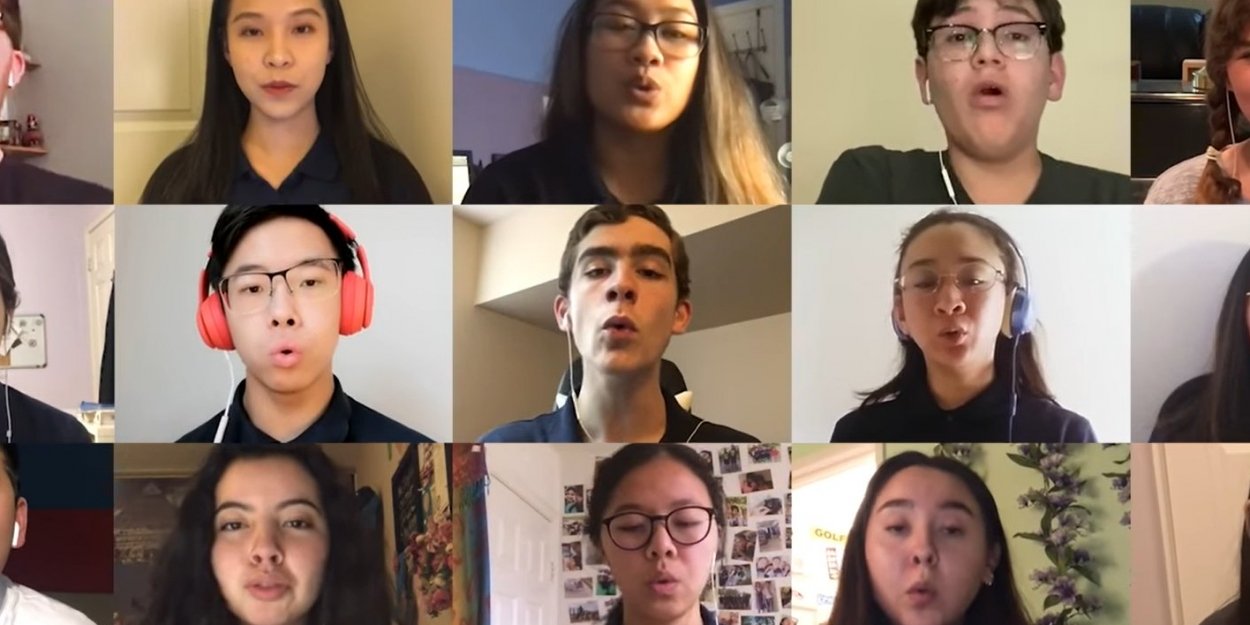
A California high school choir sang a capella from home. If you haven’t already seen it, you need to listen and watch this.

“School closures throughout the nation have halted highly-anticipated campus events and activities with hundreds of thousands of students practicing social distancing at home. While the annual Chino Valley Unified School District (CVUSD) Choral Festival—originally scheduled for Wednesday, March 18—has been cancelled, our Chino Hills HS Chamber Singers demonstrated resilience by recording their individual a cappella portion of Over the Rainbow in their separate homes, and through technology were able to appear together as a family again. Their harmonious performance was shared online for the CVUSD community with the goal of spreading hope and cheer during this difficult time.”

And from novelist Nicola Griffith: “No one knows where we’re heading or what it’ll be like when we get there. So be kind. Be patient. Be cheerful. Don’t let yourself be ruled by fear. Choose love and compassion. Forgive yourself and others. Stay connected to others. Take your joy where you can. Try to assume good intent. If you feel bad, be kind to yourself. And remember that some people out there will be in a bad way, mentally, physically, emotionally, and financially. If you can spare anything extra—money, kindness, patience, a mask, the benefit of the doubt, a moment to listen—you might brighten one small corner of the world. Do your best to be a fine human being. And we might all get through this.”

ON THE OTHER HAND

IMG_5494

“…she had warts.”

A local Portland station urges neighbors to check in on one another. A photo shows a group of men standing in the street, spaced well apart, but talking about how they are doing in isolation and making plans to monitor how the neighborhood is managing.

I won’t pretend this is a silver lining here, but a few realities are being faced and some things are getting done. Continue reading

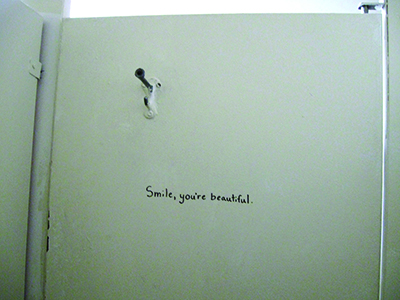
“Smile, you’re beautiful.”

Priddy-21.jpg

from 19 April 2013 in The Humanist

This afternoon a student passed me, grinning. She’d just visited the eastern-most toilet stall in the “senior” bathroom. The room is decrepit, the soap dispenser is often empty, and the stall doors don’t latch. But on the inside of one door is a hand-written message: “Smile, you’re beautiful.”

I’ll admit that part of the reason I smile when I read this is because it’s spelled and punctuated correctly. But there’s more to it—a student wrote that note. It’s something to think about.

I have always loved teaching. I love sharing what I know. I love seeing the glow when a student gets it and realizes they can achieve excellence. I love watching worlds open up. I love being around young people on the cusp of life—fully aware and capable of thinking and questioning and growing. Their lives flutter with possibility.

But there are days when it’s hard to smile. As a fellow teacher posited to me: “It shouldn’t be this hard to be a kid.” A student discovers she will be homeless this weekend, and the boy across the room hasn’t had a full meal since his free lunch ticket expired two weeks ago—his mother is too embarrassed to fill out the forms. Another girl couldn’t go home last night because the crack dealer next door burned out the entire apartment building, and the boy beside her couldn’t go home for other reasons. One boy sees violence as an inevitable solution because it’s the only one he’s ever seen garner results. Another won’t listen to facts if they favor a viewpoint other than his own.

I’ve often been told that teenagers think they’re immortal. They don’t. They behave like cocky animals and they talk big and they take risks and make stupid choices because they know they’re going to die. They’re terrified and worry their lives will end before they can make a difference in the world.

“What does Egypt look like?” a female student asks during a class discussion about protests around the world, including the strategies of Henry David Thoreau, Mohandas Karamchand Gandhi, and Martin Luther King Jr. “Is it sandy like in the desert? Are there buildings like in India with goats in the streets?” I talk about Cairo’s 17 million people and modern hotels, adding, “but yes, there is sand.”

“What do they want?” she asks. “Why are they in the streets?”

I tell her I can’t say for sure, but that they probably want the same things she does. They want a free country, they want some power over their lives.

I’m intrigued by her questions. This student has been practically nowhere and seen almost nothing. Usually shy, she stares off, perhaps imagining camels and traffic jams. “I want to go and see it,” she says.

Not one student in three classes has ever heard of Thoreau before today. A few recognize the name of Gandhi. “Mahatma,” one boy suggests.

“That means  ‘great soul,’” I inform them.

One girl knows he went on a hunger strike to protest British rule in India. But no one has ever heard of how American men and women sat down at luncheon counters to order a cup of coffee and were abused, spat upon, beaten, and finally arrested merely because they were black. My students are shocked. I hope they’re equally impressed by the courage of those sitters who took abuse to call attention to injustice, and were incarcerated in order to publicize their goals. They have their place in making the world a better place. We talk about that.

The goal in school is to get an education, but for some students the overwhelming goal is survival. They are hungry, homeless, embarrassed by their clothing, their transportation, and by their families. They have no quiet place to study and no one at home to encourage them. They have undiagnosed and untreated health and emotional issues. They deserve so much more than they have. They deserve someone to expect more from them. All of them—every one—wants to be successful, but only rarely do they have a personal, practical, or emotionally satisfying image of what success looks like.

“Make a list of things you want to do before you’re old,” I tell them.  “A bucket list,” they say back. They want to graduate and make money. They want to make their parents proud. Some say they want to buy their mom a house. Or go to Egypt. One wants to dance in the street in Chelsea. It’s good that they dream. They need these grand and beautiful dreams.

Too often high school culture concerns nothing much beyond sports and clothing, grades and money. Earning a living is necessary, but money by itself is a sterile goal. They worry too much about prom—it’s unlikely they’ll ever get to dress that way again—and not enough about mathematics. They read all their friends’ posts on Facebook and not nearly enough novels or history books. They use technology without mastering it. They know how to slip through the system without understanding that it’s here to serve their future. They earn grades without gaining an education. They worry about the wrong experiences of high school.

I can’t say who is at fault. Parents tell them the great lie: this is the best time of your life. I warn them that it shouldn’t be true. Life doesn’t go downhill after age eighteen. “It’ll get better,” I tell them. There is so much more.

Teachers try to provide incentives and rewards. I see possibility spread out before my students, waiting for them to find their way. I try to throw doors open to the world, but find students are too busy keeping on their feet to venture out. I see the world wide open to them, but they fear electric fencing. They fear failure. They fear the future. And because of these fears, some of my students will remain right where they are all their lives, turning in ever smaller circles, wearing a hole in their own tiny scrap of rug. I’d like them to fly. Get on a magic carpet and out the door. I’d like them to know the world.

Smile, you’re beautiful. Who wrote it? I wonder. All these students who walk the halls of my school—the future is still open and some of them will make beautiful lives despite bumps along the way, and they’ll return one day to tell about it. And even on a day like today when too many children are moving in frightened circles, I smile. They’re beautiful.