CONFESSION

The truth is, I used to hit. (I’ve stopped—when? Decades ago now.) For example, I’d slap my husband’s arm in what was meant to be a playful way. Not hard. Well, a slap hard enough to leave a red mark on my son. Briefly. That was bad. This is my confession. The screaming was bad. The frightening loss of temper was bad. The irritability was bad. I regret all of it. Mea culpa. Je regret. In every language, I am sorry. I don’t know where that oral and physical violence came from. I was slapped just once as a child, but not beaten, not yelled at or berated, as best I can recall. I remember the abuse suffered by my peers. I don’t recall being spanked, just the one slap from my mother. [She did not remember doing this.]

An old photo taken on one of our walks.
Continue reading

ALICE MUNRO

For years, most of my life, I claimed I’d never been sexually assaulted, and I even believed that was true. I’m angry about it now. And even so, I get it.

—the last line from Munro’s last book, Dear Life (2013)

I suspect that Alice Munro had been abused herself, most women of her generation and before were [and mostly still are], and she accepted the inevitability of just getting on with life. I’m not making excuses for bad parenting here, but I keep reading younger people and men condemning Munro as if she’d been the abuser herself. She officially found out about the abuse when her daughter was 25. Her ex-husband found out when their daughter was 9 and told no one.

All sympathy with their youngest daughter.

Jenny Munro, daughter of the 2013 Nobel Prize Laureate in Literature Alice Munroe of Canada, receives the Nobel Prize in her place from Sweden’s King Carl XVI Gustaf, during the Nobel Prize award ceremony at the Stockholm Concert Hall in Stockholm, Tuesday, Dec. 10, 2013. The Nobel awards are always awarded on Dec. 10, the anniversary of Alfred Nobel’s death in 1896. The prizes for laureates in medicine, chemistry, physics, economics and literature are awarded in the Swedish capital Stockholm, whilst the Nobel Peace Prize is awarded on the same day in Oslo, Norway.—FRANK AUGSTEIN
Continue reading

MICHIGAN

Despite my better judgement, I have been reading The Washington Post news articles and comments about the shooting in Michigan. People keep asking why the school didn’t do more. I wish the answers were simple. This is not a day I am supposed to post, and you probably do not want to know.

I figured we all deserve a pretty picture in “challenging” times.

My husband has repeatedly commented that I “dodged a bullet” when I retired in 2019, months before the pandemic. I wish it had been that clearcut: good then bad, Before then After. I wish that before the pandemic, my duties as a high school teacher had never required actions I found awkward or dangerous. 

Students threw chairs at the wall (twice) and a padlock at me (once), they yelled at me and at classmates, fell asleep in their chair from lack of sleep and drug overdose. Kids worked long and often illegal hours to support family or pay their own dental bills, and parents called them from school to put in a shift during school hours, which violates state laws. Poverty was the overarching threat to their education, but there was no escape for kids from more affluent homes: One boy put hashmarks on my whiteboard for six weeks. I did not ask him why until he came in one morning and gravely erased them all: six weeks sober. A homeless girl who was welcome elsewhere was sleeping on dirt in a backyard shed in order to protect her mentally ill mother she refused to leave alone. It was a bad choice, but a compassionate and loving one.

Continue reading

IMPRINT EACH DAY

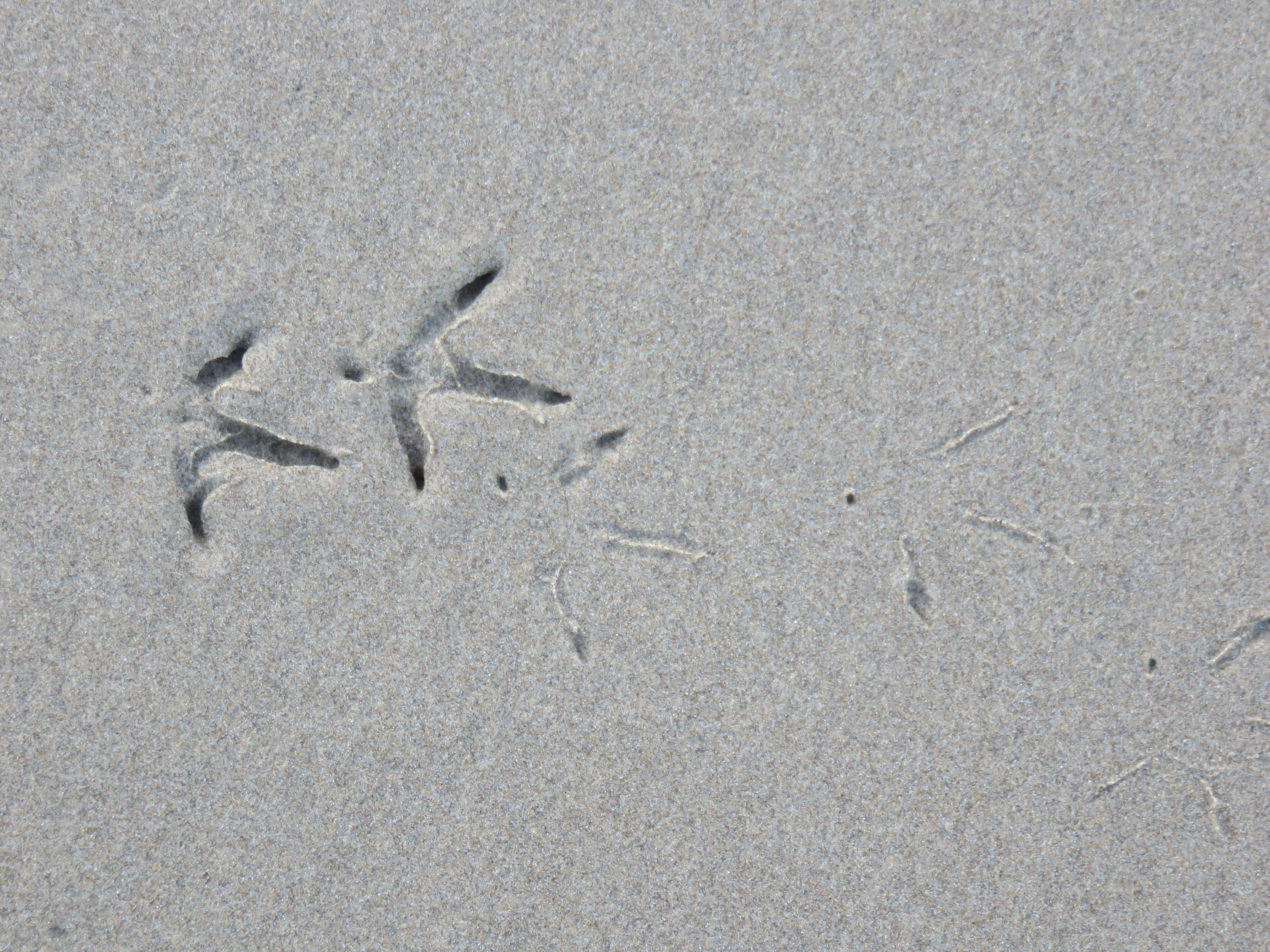
IMG_4160

Whimbrel imprints in the sand.

We walk nearly every morning and some days, when the wind drives onshore, we fill our bags with trash. Other days, like this morning, there was hardly a thing cast ashore. Most trash comes from the ocean.

All of Gary’s Mother’s Day wish is gone this morning. I thought the sand dollars had been swept away, but Gary points to the busy pattern of footprints even above the high tide line. Someone has gone out late yesterday evening and collected them. We do not mind. Take more, we say aloud. Take the other shells left as an offering on the edge of our path. Take the garden clippings Gary will not burn unless the weather turns damp and the wind blows off-shore.

We hope it was a neighbor’s child who took the sand dollars, a child not enrolled in school and not being home schooled, whatever might be the excuse. Her parents have told her that in the fall she will start at the local private school—a strong producer of entitled local youngsters, a few of them independent and charming people, but too many who think they are more important than the rest of the world. Nevermind. The little girl’s parents cannot afford to pay for trash pickup. Private school?

In the mean time I wonder: Is this something I must report? Since I am retired, am I still a mandatory reporter? Do I think this is neglect? I have known many mandatory reporters—teachers, doctors, counselors—who failed to report. My mother was still driving when she could barely walk. Where was the mandatory reporter then? No one ever thanks you for doing this duty. I have known both parents and students who never forgave me. That’s why it is mandatory, that is why I do not need to be sure. I need to have doubt.

Still.


Maggie Rue Hess

A HOUSEKEEPER’S VILLANELLE

I learned the beauty of futility, and now I know its sorrow
from cleaning rooms at the Holiday Inn;
what you tidy today will need you again tomorrow.
There’s a satisfaction in work whose effort you can show,
soothing to proper corners what is chaos when you begin.
I learned the beauty of futility, and now I know its sorrow,
because there is no end to the process. You must borrow
time, must accept that the struggle is the win:
what you tidy today will need you again tomorrow.
Is it never done? How do you live when you must go
through the same back-bending motions day out and day in?
I learned the beauty of futility, and now I know its sorrow.
Remember that it’s not just about hotel rooms, though;
it’s just as true for hate, failure, pain, or sin.
What you tidy today will need you again tomorrow.
The good work never sleeps: a housekeeper would know.
We clock in and clean up again and again.
And I—I’ve learned the beauty of futility as well as its sorrow—
what I tidy today will need me again tomorrow.


from Rattle #63, Spring 2019
Tribute to Persona Poem