[There’s a great link at the bottom—don’t miss it.]
“Art never responds to the wish to make it democratic; it is not for everybody; it is only for those who are willing to undergo the effort needed to understand it.”—Flannery O’Connor, Mystery and Manners: Occasional Prose
vs.
For some, reading functions “as class performance, literature fetishized for its ability to take educated people on false emotional journeys, so that they might afterward feel superior to the uneducated people whose emotional journeys they liked to read about.”—Sally Rooney, Normal People
“Art for Art’s Sake” was a popular slogan when I was in art school in the 1970s. There was a general attitude that artists were some sort of elite beings, that their work spoke to an exclusive club, and also that the only real art was paintings, sculpture, and architecture. The rest was mere craft.
Thanks to my future husband, I was taking not just the required studio and Art History series, but a lot of Anthropology classes. This meant that I understood that art was never reserved only for the precious few. What we regard as “art” served the wealthy aristocracy in Europe after the Renaissance. Before that, and even after, and at every time and everywhere around the world, art serves to satisfy the aesthetic needs of all people, expressing ideas, power, yearning, hopes, dreams, fears, and distinct perceptions of beauty. Art reflects appreciation and even affection for the objects and environments we touch and use and admire every day.
That is to say, that while I like Flannery O’Connor’s fiction and I get what she is driving at, and every advisor I had in my MFA program pushed her books onto my reading list (and I read Mystery and Manners: Occasional Prose), I think that quote from her above is elitist crap.
There is no great effort required to appreciate or understand most art. And it shouldn’t be all that hard or reserved only for the special few.
Art does not choose only certain individuals nor is it handed out as a gift via a Muse. Creativity is not reserved for some sort of intellectual or preordained elect. Appreciating art is not a gift from the Almighty who only allows understanding by those chosen few. Art is human creation. No, it’s simpler: Art is human.
I won’t argue that there are not great artists and that creating art does not require enormous effort and even talent. Spare me Hallmark cards and bad art—and there is bad art—but I refuse to accept the narrow view that art is accessible only to special people. I will argue that if only a few people can “read” the art, its message does not speak effectively to the human condition.
There is room for art that offends or challenges our notions of art. Certainly art must not merely sooth but provoke and wound. That too is the proper place of art, to wake and stir our souls. To break us open and heal us too.
“I think we ought to read only the kind of books that wound or stab us. If the book we’re reading doesn’t wake us up with a blow to the head, what are we reading for? So that it will make us happy, as you write? Good Lord, we would be happy precisely if we had no books, and the kind of books that make us happy are the kind we could write ourselves if we had to. But we need books that affect us like a disaster, that grieve us deeply, like the death of someone we loved more than ourselves, like being banished into forests far from everyone, like a suicide. A book must be the axe for the frozen sea within us. That is my belief.”—Franz Kafka
Maybe even Kafka was full of it. Everyone wants to argue that what they make or like or pay for is the only true art.
“What we have here is a failure to communicate.” Yes, art is communication and if it only speaks to a tiny fraction of the population, that might only be because it is a small and narrow effort.
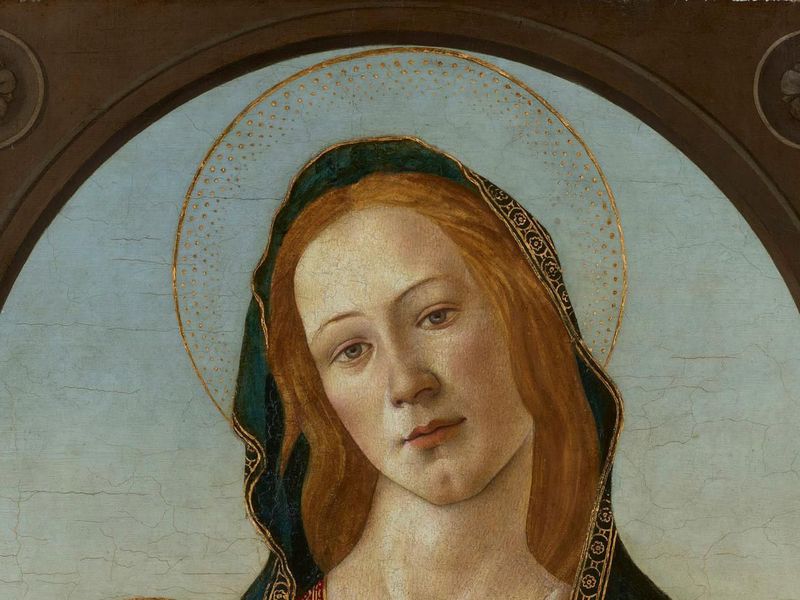
The painting above sat in a storeroom for decades. The woman who gifted it to her local museum thought it was a Botticelli, but the experts declared it merely the work of some unknown apprentice. They had studied for years and had been “willing to undergo the effort needed to understand [art].” They knew so much they put it away and didn’t look at it again for fifty years.
Perhaps someone might have noticed it is beautiful? Someone finally did. The collector, Gwendoline Davies was right. “National Museum Cardiff has put on display a painting of a Madonna and child that had for decades been dismissed as a crude copy of Botticelli’s style.” But it was the real deal. Not appreciating the art without the name? Major fail.
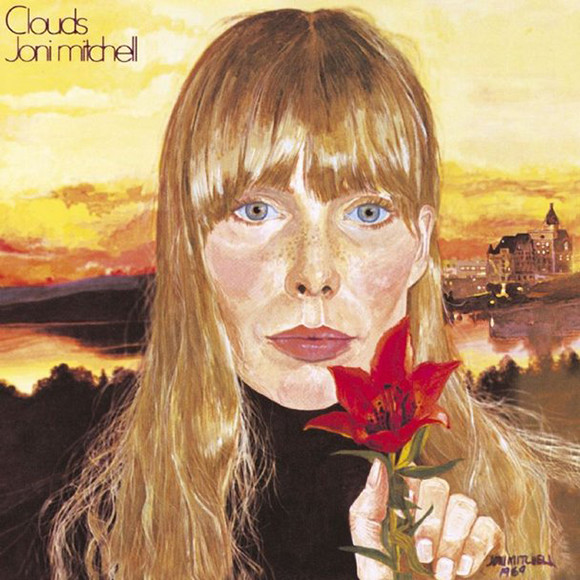
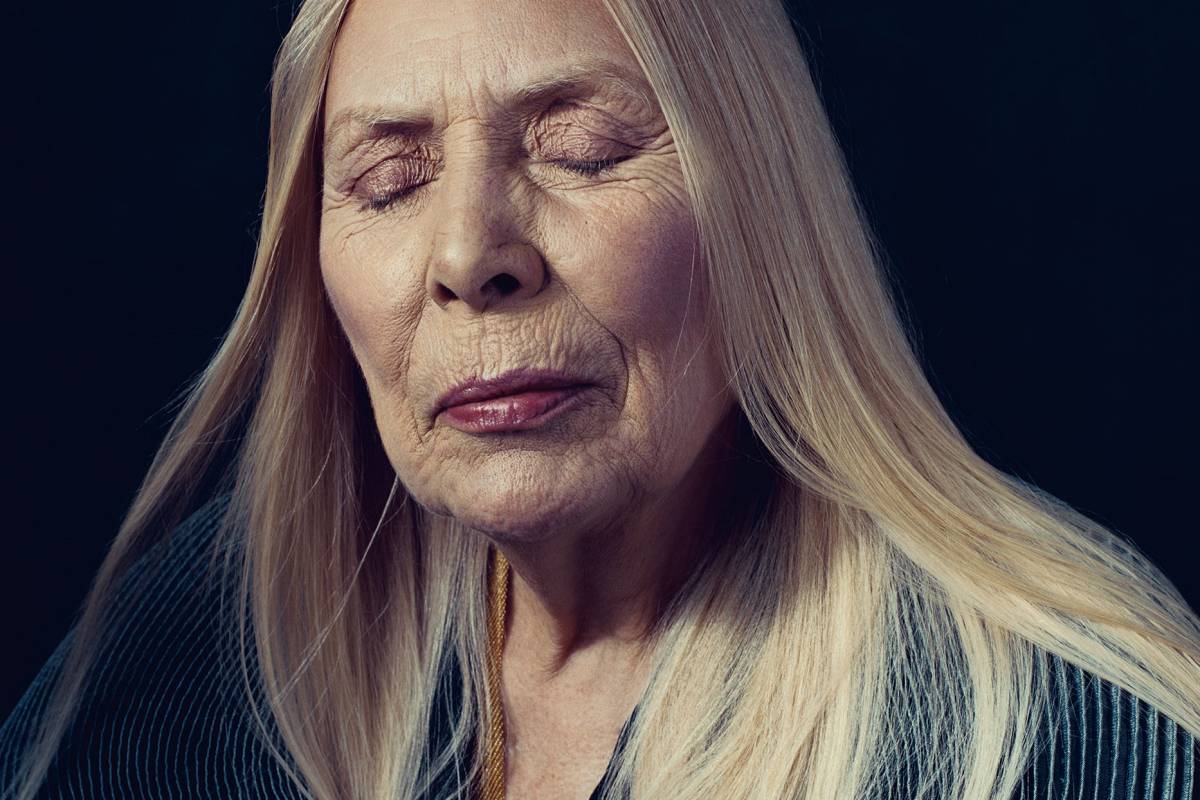
There’s a Joni Mitchell song about this, “For Free” on Ladies of the Canyon. It has been recorded by over sixty artists who know great art when they hear it. So have their audiences. No great effort required.
For Free
I slept last night in a good hotel
I went shopping today for jewels
The wind rushed around in the dirty town
And the children let out from the schools
I was standing on a noisy corner
Waiting for the walking green
Across the street he stood
And he played real good
On his clarinet for free
Now me I play for fortunes
And those velvet curtain calls
I’ve got a black limousine
And two gentlemen
Escorting me to the halls
And I play if you have the money
Or if you’re a friend to me
But the one man band
By the quick lunch stand
He was playing real good for free
Nobody stopped to hear him
Though he played so sweet and high
They knew he had never
Been on their T.V.
So they passed his music by
I meant to go over and ask for a song
Maybe put on a harmony
I heard his refrain
As the signal changed
He was playing real good for free
[Joni added these lyrics to the song during the 1983 tour]
Playing like a fallen angel
Playing like a rising star
Playing for a hat full of nothing
to the honking of the cars
In case you have read this far, allow me to recommend two older (than me) bloggers, “Margaret and Helen: Best Friends for Sixty Years and Counting… “. Helen Philpot has a lot to say this morning and says it better than I could. She generally does. Here’s a snip:
“Suggesting that 13 year old Barron Trump isn’t a Baron is unforgivable but mocking 16 year old Greta Thunberg for wanting to save the world will get you several hundred thousand likes in MAGA Twitter World.”
 IMPERFECT PATIENCE