
Several of my students went on to Pacific University, but that is not the reason I am fond, of course. Today is the last day of events scheduled for the MFA residency.
Continue readingSeveral of my students went on to Pacific University, but that is not the reason I am fond, of course. Today is the last day of events scheduled for the MFA residency.
Continue reading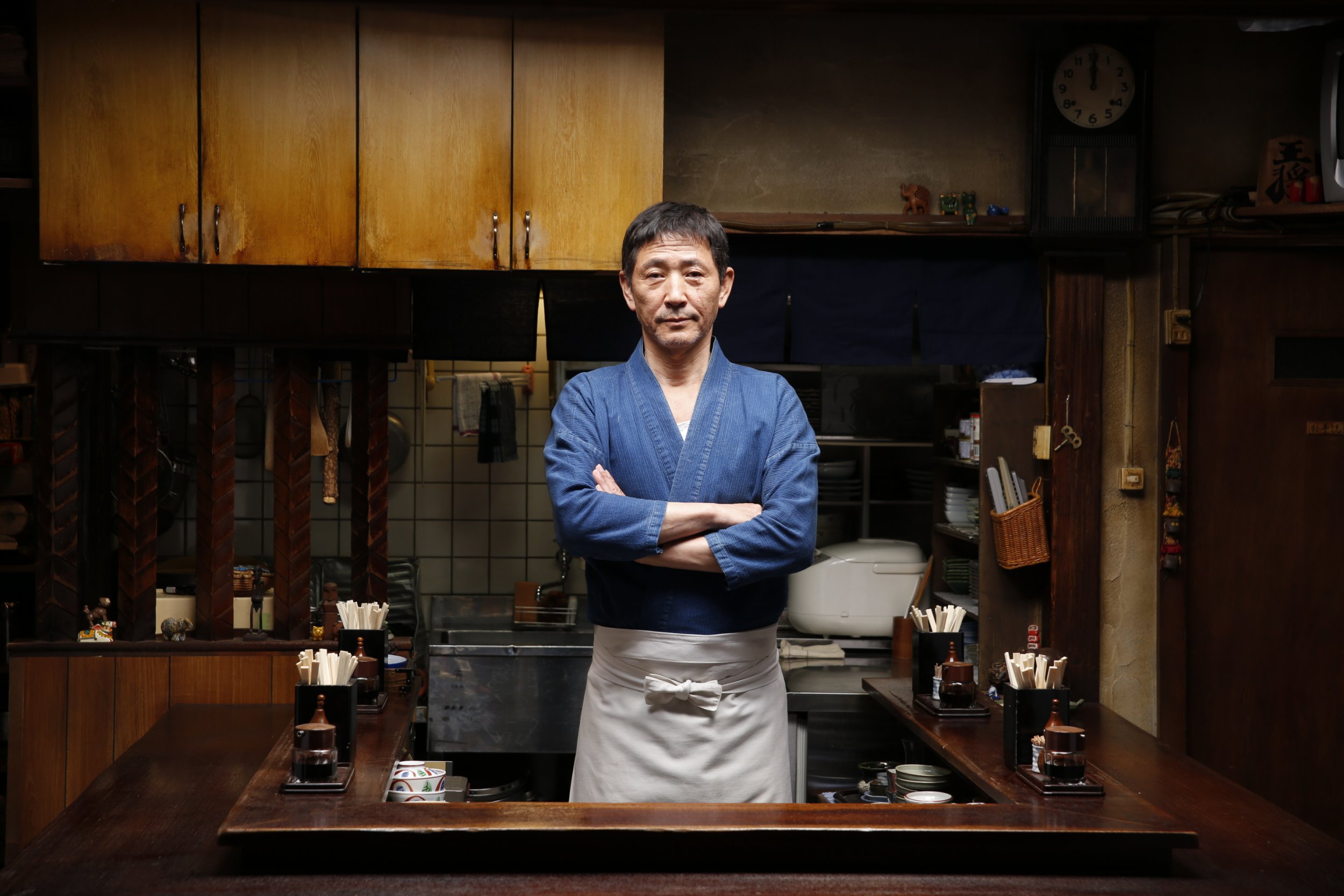
My husband and I love films and we have seen a great many of them. We avoid the bad ones, when we are aware they are going to be bad. Lately, “bad” has become such a relative term that even Rotten Tomatoes seems unable to warn us away from films we dislike. We wasted over $30 seeing Knives Out (or Up or In or whatever). The overpriced popcorn and Milk Duds were the best part. I hasten to assure you that everyone else in the theater seemed to love the film. They laughed a great deal more than we did, did not seem to mind Craig’s silly accent or the pathetic attempts at political pandering or the way the main character (vomiting on cue—that was only funny once and not the first time) was used as a cliché victim. The predictable plot twists even seemed to surprise people. Really? If you loved the newest version of Murder on the Orient Express, you will find a familiar scenario here. This is the cartoon version where everyone but the ingenue is despicable. If you thought that mustache on Branagh was ridiculous, well, consider yourself warned.
On the other hand, we had relatively low expectations for The Good Liar, the overall twist was expected, but, you know, Helen Mirren. That one was fun.
In the mean time, the single best film entertainment we’ve enjoyed recently has been on Netflix. Midnight Diner: Tokyo Stories has two seasons (2016 and 2019), just twenty 28-minute episodes, and some are deeply touching and some are spectacular. A couple have been flat out sad, but mostly they are something more subtle. Newsweek declares it “the best show no one is watching.” As we near the end of the second season, we’re dolling them out one at a time to make them last. We never skip the opening sequence . . . and apparently others feel the same way about “Omiede.”
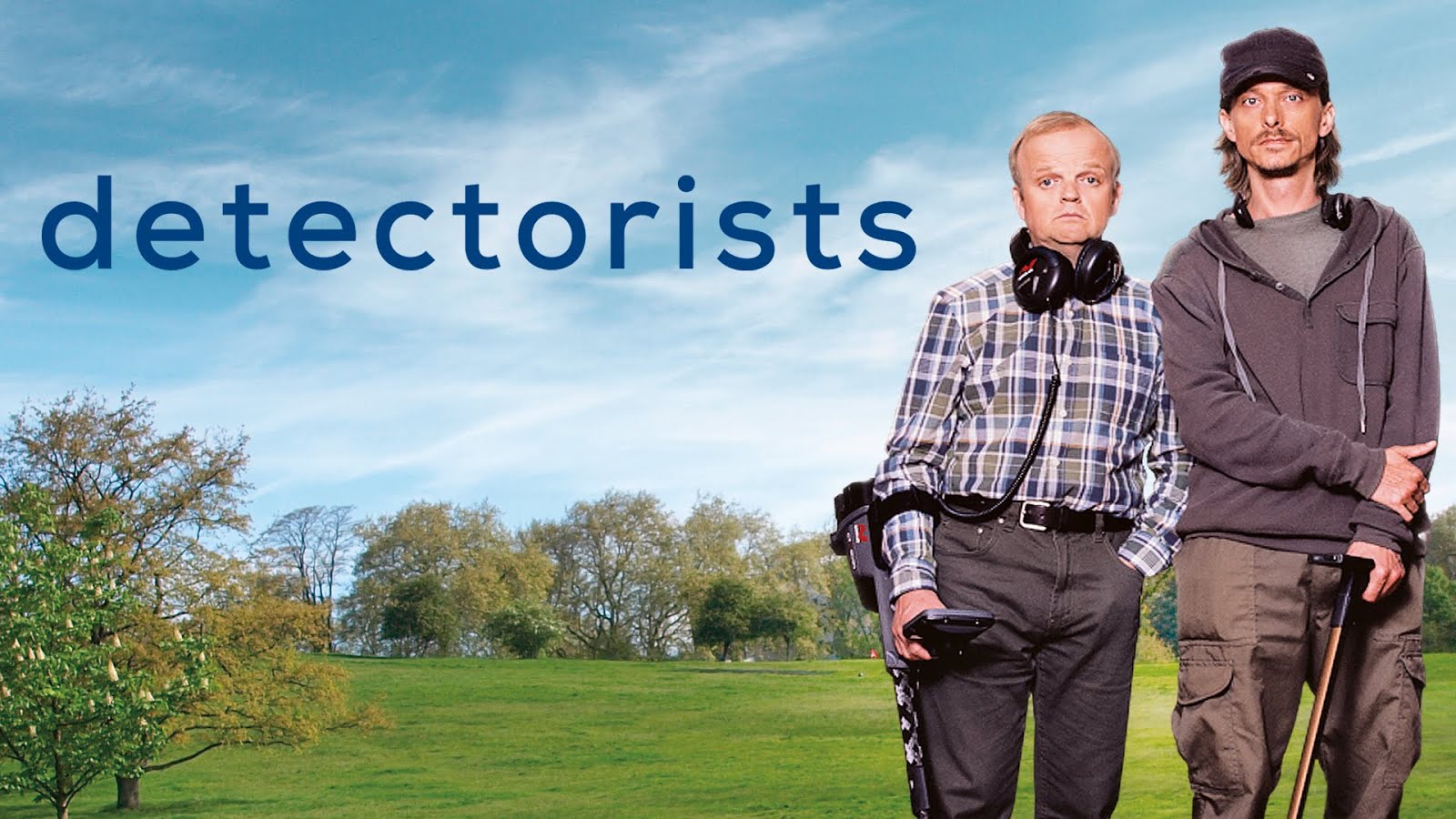
There have been many more shots and films we enjoyed this year. Gary credits me with finding Midnight Diner, and promising is was short and we could turn it off if we didn’t like it. He says it’s on the level with Detectorists, which is his all-time favorite. Its funny and dear to us both.
Friends tend to express surprise that we still receive DVDs from Netflix. Perhaps “surprise” is not the word I mean. Shocked? Dismayed?
Nevertheless (a favorite word), we enjoy movies, the local theater is chilly and has sticky floors, and some films never get here. And then we find them on DVD, sometimes long after they were released. Wonderful, surprising, important films no one we know is talking about. They are not nominated for Oscars, their stars were not the thing that year, and yet, these are the ones we loved, these odd films we find entirely outside the general rush.
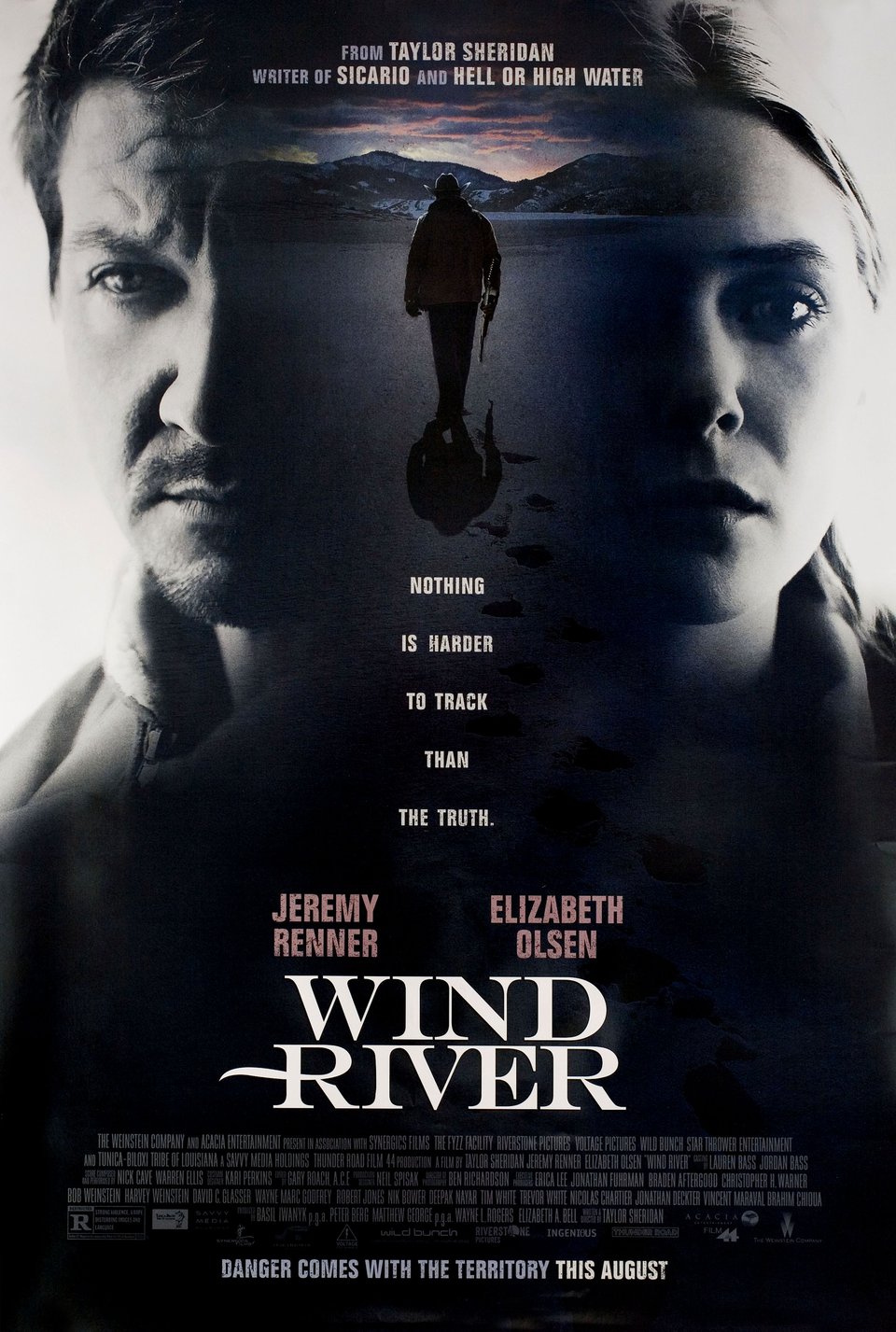
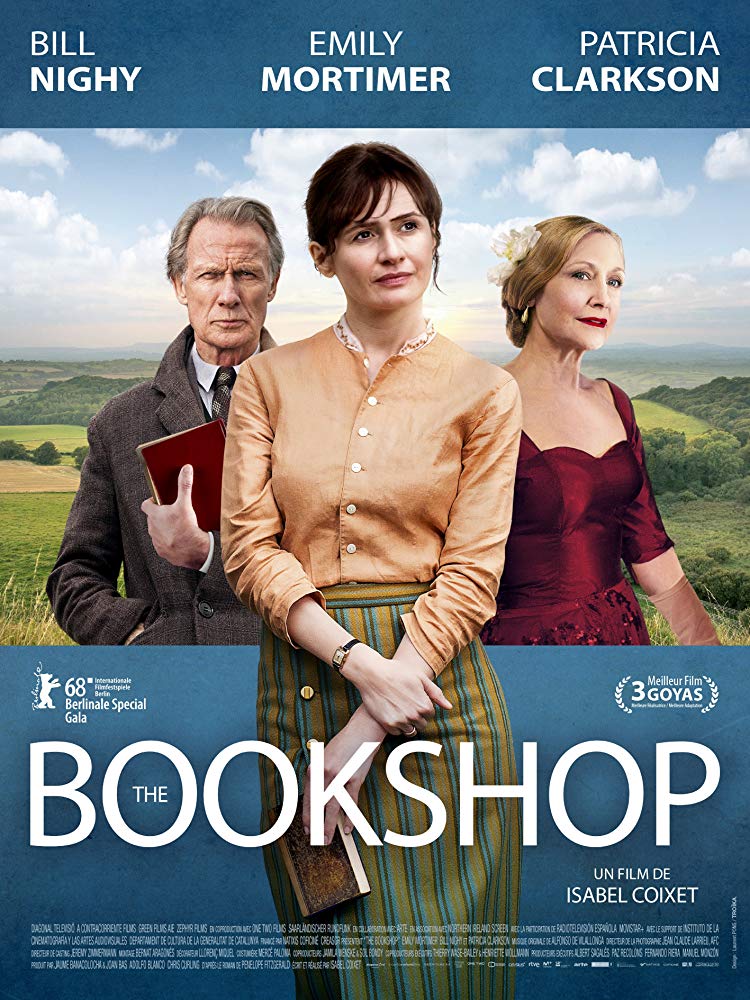
Last year we found Wind River (2017). Last night it was The Bookshop (also 2017).
Wind River is not an easy film to watch but it’s beautiful. I might wish this were not another film starring a white person but really about people of color. Even so, there is respect. There is a great story here. There is genuine honor.
During a winter season in Wind River Indian Reservation in Wyoming, expert tracker and U.S. Fish and Wildlife Service agent Cory Lambert discovers the frozen body of 18-year-old Natalie Hanson who was barefoot, without proper winter attire, miles from any building, and had a blood-stained groin. FBI special agent Jane Banner arrives to investigate a possible homicide. The next day, Jane learns from Natalie’s father, Martin, that his daughter was dating a new boyfriend, but he does not know the man’s name or whereabouts. The autopsy shows blunt trauma and sexual violence and confirms Cory’s deduction that the girl died from exposure, specifically pulmonary hemorrhage caused by rapid inhalation of sub-zero air. …statistics are kept for every group of missing people except native American women. Nobody knows how many are missing.—IMDB, rated R
The Bookshop is a sweeter, sadder film. Have patience for this one. I got a kiss from my husband for this movie filmed in Northern Ireland (outside) and Catalonia (inside).
England, 1959. Free-spirited widow Florence Green (Emily Mortimer) risks everything to open a bookshop in a conservative East Anglian coastal town. While bringing about a surprising cultural awakening through works by Ray Bradbury and Vladimir Nabokov, she earns the polite but ruthless opposition of a local grand dame (Patricia Clarkson) and the support and affection of a reclusive book loving widower (Bill Nighy). As Florence’s obstacles amass and bear suspicious signs of a local power struggle, she is forced to ask: is there a place for a bookshop in a town that may not want one? Based on Penelope Fitzgerald’s acclaimed novel and directed by Isabel Coixet (Learning to Drive), The Bookshop is an elegant yet incisive rendering of personal resolve, tested in the battle for the soul of a community.—IMDB, rated PG
 IMPERFECT PATIENCE