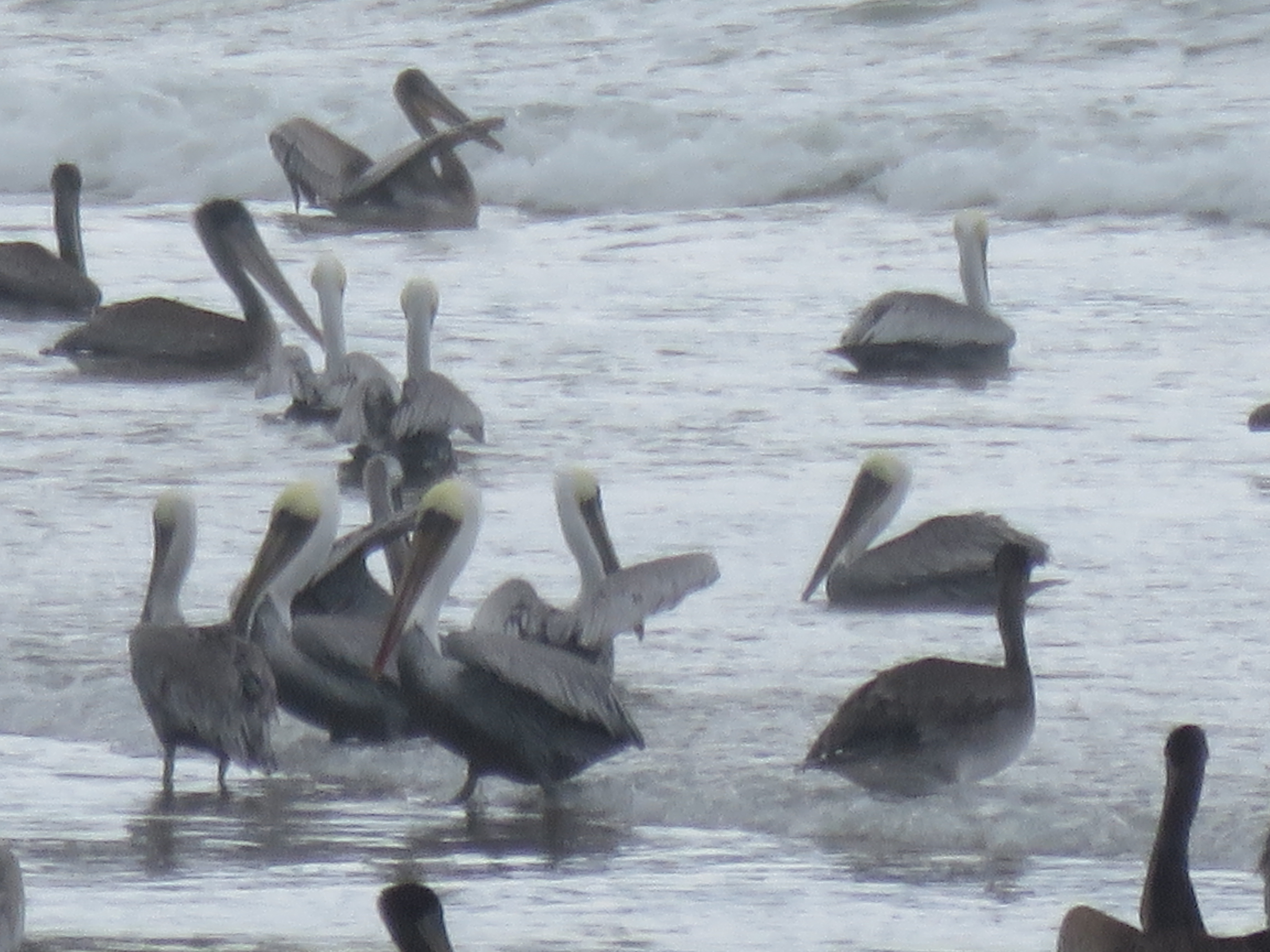
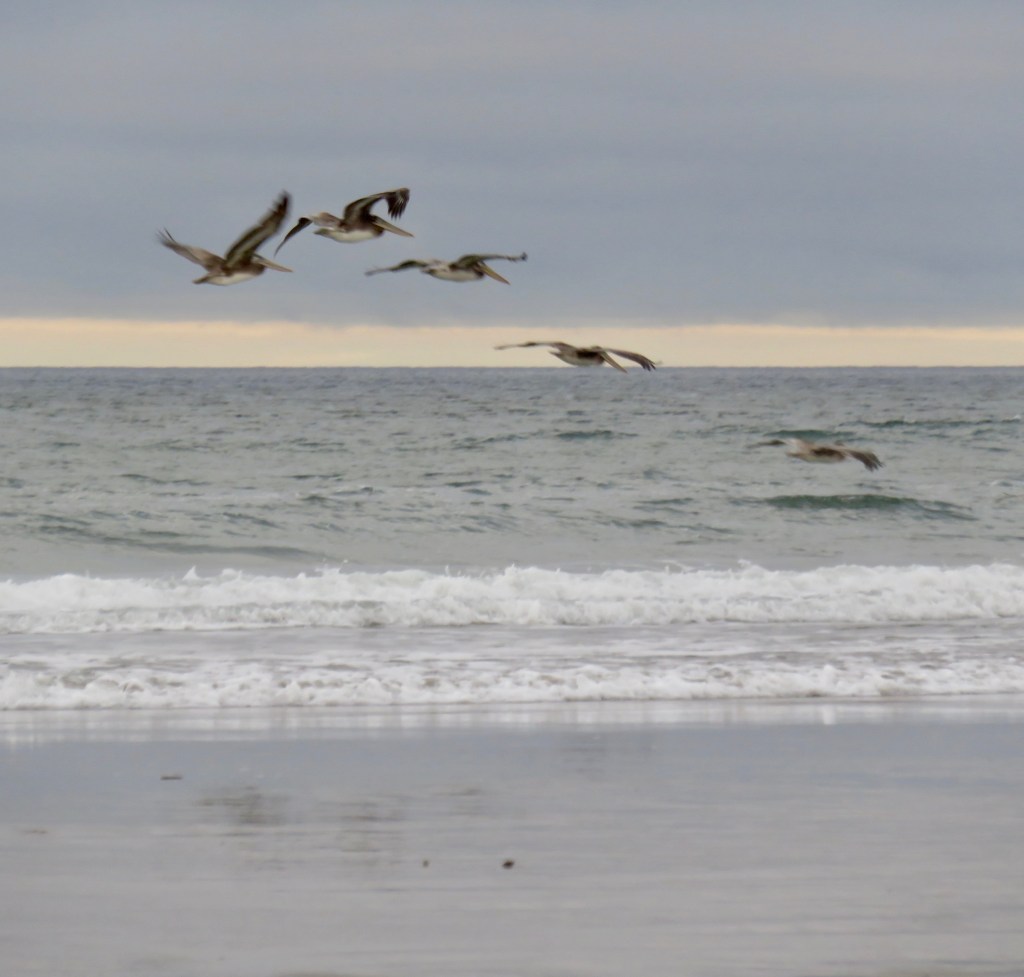
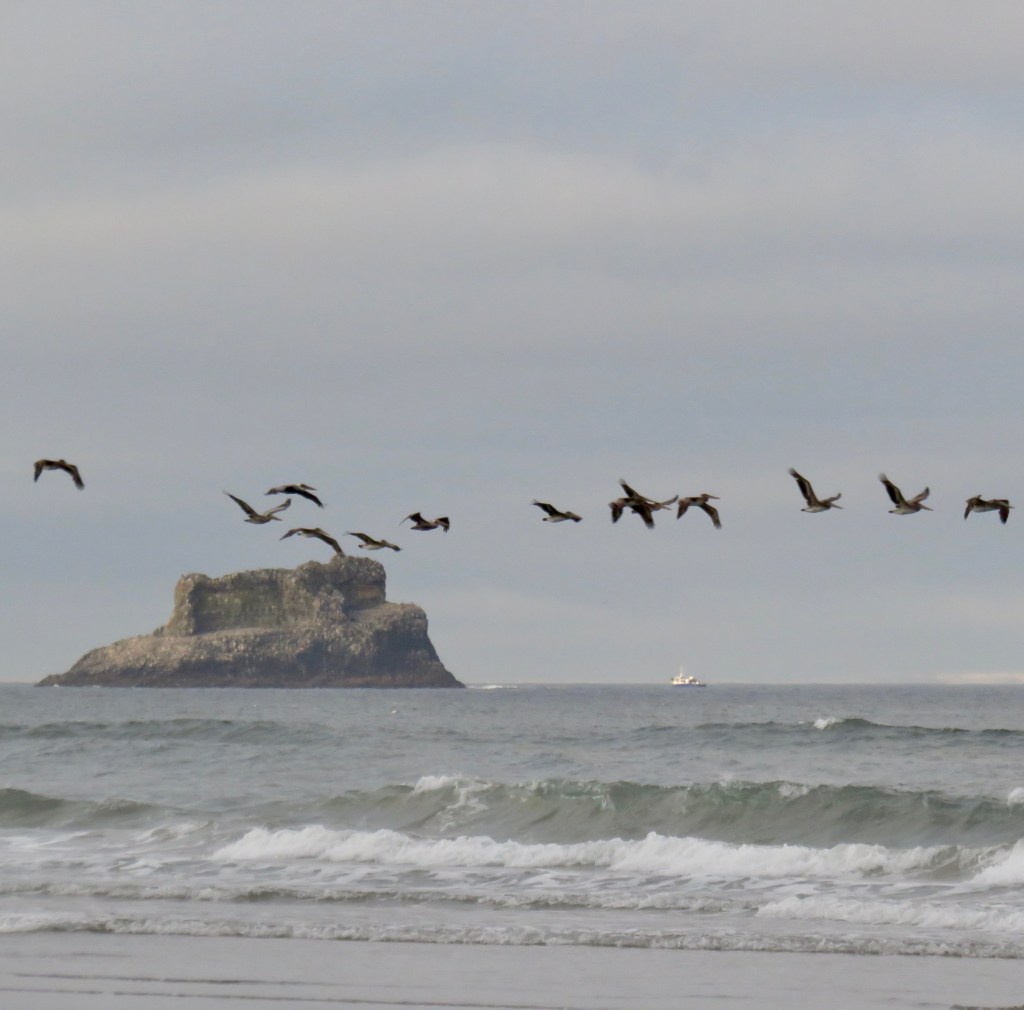
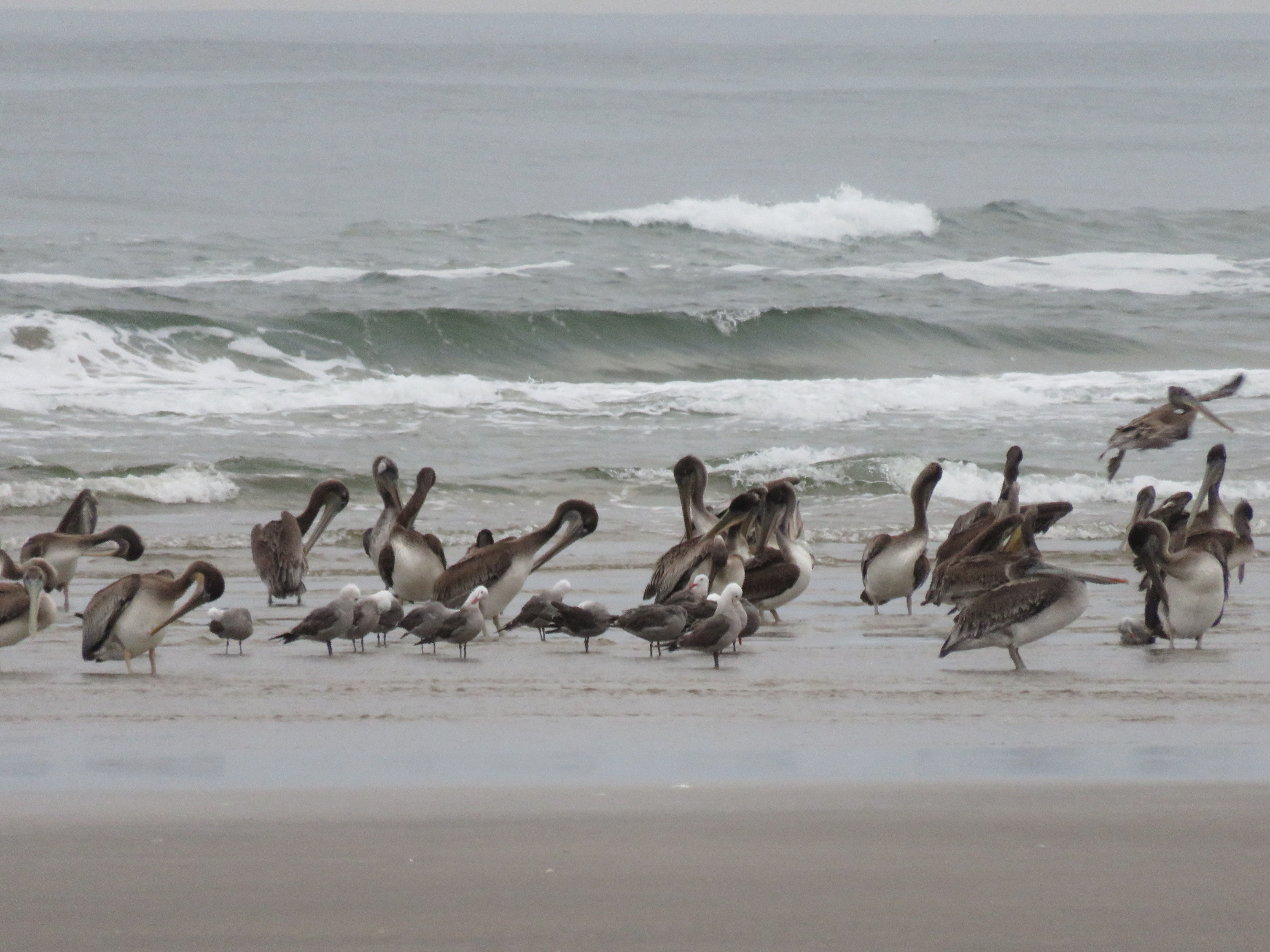
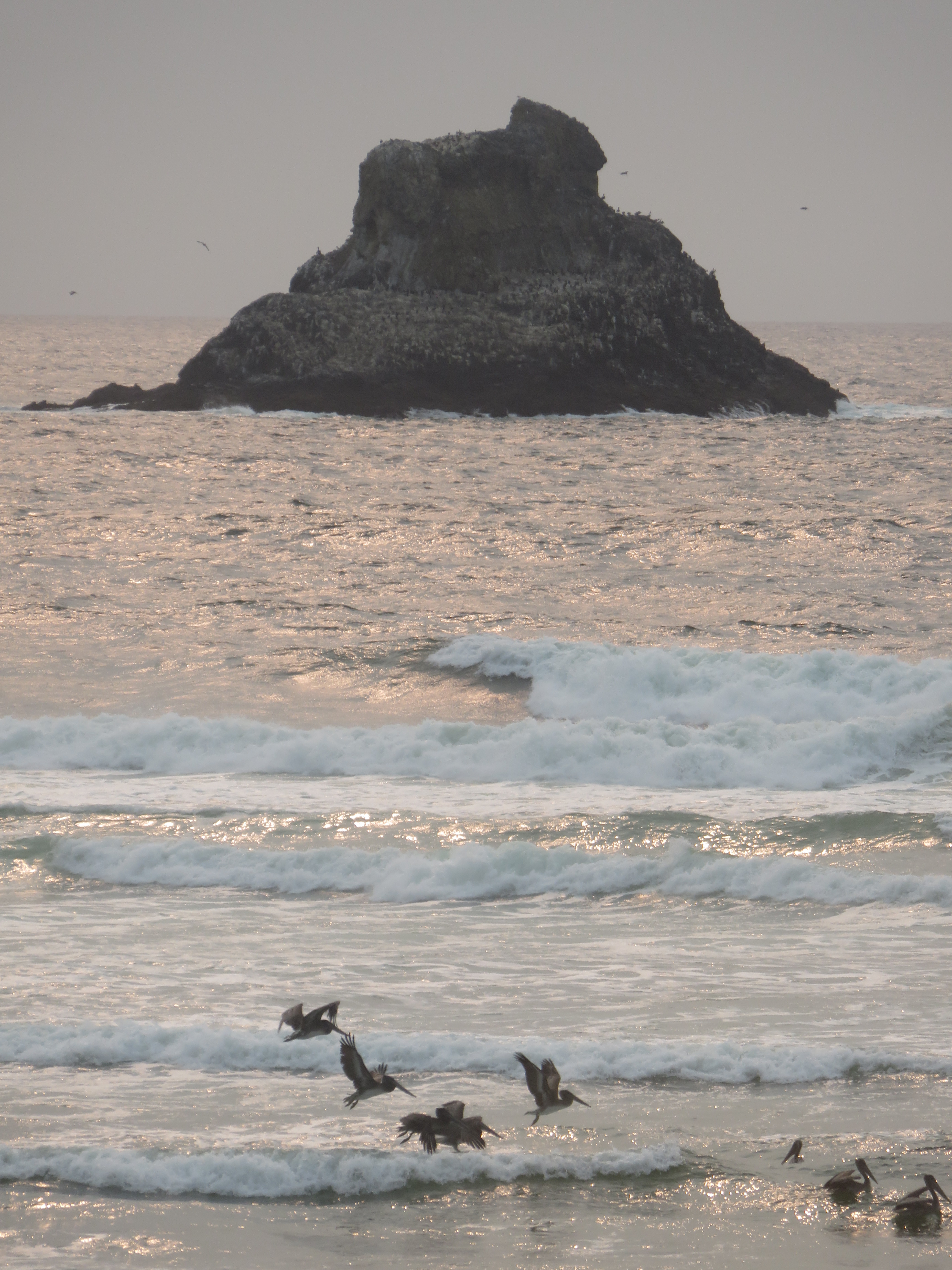
Several dozen brown pelicans stopped by on their way south last week. A smaller group or 13 or 14 has arrived in the summer during recent years and generally stayed into the fall.
When I was in high school, we told a joke: This life is a test. It is only a test. Had this been an actual life you would have been told where to go and what to do.
We can choose what we do with ourselves and we can choose to seek meaning. But we must also accept that not everything that happens is within our control. Some things just happen.
There is a story about a man who was living a good life. He was thoughtful and kind, virtuous and loving. But then things go wrong for him. His family dies, his occupation dissolves, the very earth itself seems to rise up and spit in his cup.
“What have I done wrong to deserve this?” he begs the universe. He examines his behavior, seeking an explanation for his abrupt change of fortune. Has he erred without knowing? Has he committed some sin and failed to notice. Whom has he offended?
His friends ask him too: “Oh, man, what did you do?”
“Nothing!” the poor man cries. He reviews his own life for some explanation of his punishment and can find no answer.
After a lot of begging and eventual anger he understands that people should know better than to demand an explanation. There is none.
Bad things happen to people. Job, the man in the story, had more than his share of hardship arrive all at once. At one point all his family and wealth are gone, and he lies on a heap of manure, his body covered in sores. Job certainly experiences more than his share of bad stuff. He is warned not to look for a reason. He is assured that if there is a reason behind his suffering, he will never understand it. He shouldn’t even try.
This is life sometimes. Terrible things happen. Sometimes we bring that bad stuff right to our own door. Other times, it’s no one’s fault and there is no one to blame and nothing to be done with the sorrow and grief that come our way.
We can only go on.
Success is like this too. Good and ill befall each of us. Some of our fortune we worked hard to earn—by kindly, wise choices or skillful ones. We learn from mistakes, they say, or we do not.
Eventually we are old with have more years to look back on than we can imagine right now, and like all old people who are worth anything at all, we will have regrets. We will look back at mistakes and wish we could rewind and repair them. We want to think we are wiser, perhaps, than when we were young. All those years of hard work and love and loss and suffering and hope. Surely those experiences made us better people.
Maybe it will even be true.
We will know more. Maybe we will read too many books. Maybe we will attend college and develop a passion for anthropology or linguistics or software engineering or Renaissance poetry. Stranger things have happened. A work-study job in a hospital will take us through nursing school instead of electric engineering. A terrible accident will cripple your future and suddenly instead of working as a personal trainer, we work in a London nonprofit aiding children of war torn nations. We thought we would study history and find ourselves doing pure math. We thought we wanted to live in the SW and find ourselves in Manhattan. Our life course will probably change and those experiences will change us. Some of our life experiences will take us wholly by surprise.
But who we are is who we are. We will not begin tomorrow or sixty years from now. Real life isn’t something that begins later, when we have more time; it’s something we’ve been living all along.
What’s true is that every choice we make, moment to moment, on the hardest days: on the day we think we are too tired to get up in the middle of the night to check the baby; on the afternoon we snarl at the Safeway cashier and realize too late that he’s doing the best he can; on the days we cheat and tell ourselves it doesn’t count because we are not that kind of person. Yes, we are. That’s who we are. At our best and our worst, often trying hard to do what should be done and sometimes failing. We are the person who let the baby cry for half an hour, the one who yelled at the mentally disabled clerk, the one who cheated. That is us.
But we are more. We are the same person who helped the woman with the screaming toddler get her groceries into the back of her car, the same one who smiled at our own little boy’s hideous handmade birthday gift, the same person who took an extra breath and admitted we didn’t get the work done on time, but tomorrow we’ll do better. And then tomorrow we do better. That is us too.
I’m not saying there are two kinds of people in the world. I’m saying there are a lot of situations, and all of us, every single one of us with an ounce of introspection will have good and bad moments. Every single one of us will have to face terrible things. Sometimes we will not do our best. Sometimes we will have to forgive our own failures and mistakes and go on hoping to do better next time. If you think that’s easy, think again.
Don’t pretend you haven’t made mistakes, but don’t forget that you need to forgive yourself for them. And when you do well, when you do something kind and generous and honest and open-hearted, notice that too. How you get to that place where you can stop blaming and starting forgiving—that’s called growing up, taking responsibility. It’s called being good.
You need to go. You are far from the end of your journey.
This isn’t a test. It was never a test. This is your life, the only one you get. You have been told to go on and you have been told to do the best you can. It’s your life. Make good use of it.
People have been telling me lately that I look tired. Oh yes, it’s also how I feel. So very tired. Not enough sleep. Lying awake worrying. Unable to run off my stress.
But here’s the other side of a hard day several years ago: The cat was asleep at my knees. Ruby had “called” twice to talk to her grandpa. Three students who worked very hard to get there will attend the colleges of their choice thanks to a Gates and two Fords. It was Saturday of a long weekend, and though I had two boxes of essays to review, that was the good news. I had a lot of students who had done their job that week. Some of them still had long labor before them, but they seemed willing to do it. I was thankful for their hard work.
I am thankful for my own hard work—something I could not have said when I was seventeen and about to start college. I am thankful for my family, friends, and the people I work with. We all wish we could do more or have more at times, but it’s good to recognize what we already have, what we have survived and earned, that we have stumbled and stood back up, and that there are places we still want to go.
I understand the limits of my power. I no longer expect or even desire wealth. I try to make a difference, a positive difference in the lives of people I know. I have my regrets, but I accept my disappointments and I forgive my own failures. It’s never too late to do the right thing next time. I just have to see, really see what is here before me right now. I have to look ahead to the path I intend to follow. And then…
I walk on.


 IMPERFECT PATIENCE