 |
| Southern Poverty Law Center tracks hate crimes from racist and the political right and left. They make a difference. |
More than forty years ago, our friend Bunny told me that she donated $100 each month to charity. Her food budget was less than half that. I was stunned that she was able to afford this. And then I realized I could too.
As a result, I began donating to organizations I could see working in the world while still in college and self-supporting. I gave monthly to PBS because we watched their programs, and then I gave to the American Civil Liberties Union (ACLU) because I knew what they were doing to fight for legal principles here in the United States. I continue to give clothing and other household discards to Goodwill and local charities. Gary gave them his last car a few years ago. I gave my beloved VW to OPB.
One year my brother gave a farm animal in our names to Heifer International. The next year, I gave goats in the names of family members as Christmas presents. Then I discovered that another organization did the same thing with lower overhead, so I gave bees and farm equipment through OxFam.
Charity Navigator is one watchdog of charities that helps people find where to direct their donations in order that the money will do the good work they hope to see done here or abroad. I read about charitable organizations, Google for news about them. Talk to people and search for pros and cons and other organizations that do similar work. I check their ratings for how they spend the money they receive. There are many worthwhile local charities.
For many years after I began teaching art, I gave to the University of Washington School of Art, in gratitude for scholarships that allowed me to work my way through college without debt. (It helped that I was willing to live in poverty during those years.) I refuse to give to my grad school alma mater because they surveyed me for what I thought about them starting a football team. I responded that it was an enormous waste of money. Like nearly every college and university in America, they will lose money on their football team. They will have to find other donors who are football fans. That is what I tell them when they call. [For a small college that turned away from sports to emphasize academics, read about Paul Quinn College. To understand why football creates issues for others, consider what people will do in order to win. Consider Baylor.]
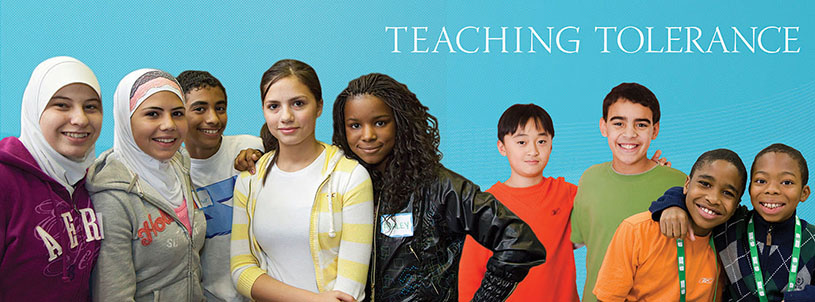
For nearly all of my adult life, I have given to organizations I learned about through specific worthy projects. Toni used to write letters for Amnesty, and I have supported Amnesty International since 1974 because they oppose torture and other political abuses of power. I give Wikipedia Foundation a donation periodically because I use their site often and because I applaud their work in making information readily available for free. I give to Partners In Health because of Kidder’s book Mountains Beyond Mountains. I give to Southern Poverty Law Center because they track hate crimes, take abusers to court, and offer support to communities through many programs including Teaching Tolerance, a free magazine I used as a teacher.
Sometimes I give to other organizations such as the free nonfiction website Brevity or to projects devised by my students. We gave to the campaign of Hillary Rodham Clinton. Twice.
For most of his working life, my husband worked in grocery stores. I was mostly a public high school teacher. We can afford to live in a beautiful home on the coast because it’s been in my family since 1911. We have never, as my mother would say, “had money” in my family but my mother began donating to animal charities late in life. We still get those mailings, but we choose to give elsewhere.
Throughout our childhoods, our families worried about paying bills. We struggled to pay for food and tuition while self-supporting in college. During the years our children were young, we barely kept our heads above water. And then there was tuition again—our sons’ undergraduate and my graduate studies. I used my inheritance from my mother to pay off our sons’ college debts. (My friends have pretty consistently judged that a mistake, but so far, we are not sorry.) We managed. Our frugal habits and careful planning seem now to have paid off.
We are both retired, but we are not poor, and other than books, his music, and my yarn our tastes tend to be modest. We can afford to pay our bills. We can afford to drink wine on occasion and to stay overnight at mid-priced hotels. We still send money, usually $100 to several of the charities I have mentioned but sometimes more, and in leaner times I have given $20 or less. Just now, we are planning our giving. The Visa bill is paid and despite unexpected home repairs, we will share what we have.
It is a good habit and I am a fortunate person. I can afford to support charities.
Maybe you can too.

 Her mother’s “writing represented both financial and emotional survival. For money, she edited a small newspaper and freelanced articles. For solace, she wrote stories at dawn. Some were published, and some weren’t. Publishing wasn’t the point.”
 IMPERFECT PATIENCE